Siblings Challenge Middle Daughter's Inheritance Rights After She Was Declared the Sole Beneficiary by Their Deceased Father
Betrayed and isolated, she faced the heartbreaking truth of her family’s silent fracture. For years, her parents’ separation was a secret kept from her, and her siblings had severed ties with their father, leaving her to bridge the painful divide alone. In reaching out, she found solace in renewed days filled with laughter, rides, and shared meals—a fragile thread of connection in a family unraveling.
But joy turned to despair when her father fell ill, and she found him alone and vulnerable, a stark reminder of the loneliness that had crept into their lives. While she stood vigil by his hospital bedside, her siblings and mother arrived only to visit him, leaving her to endure the silent hall, a witness to the growing chasm that no words could mend.



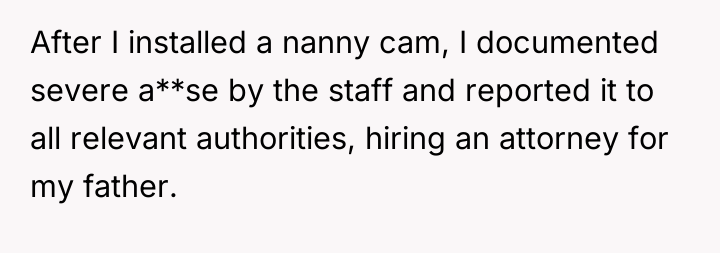

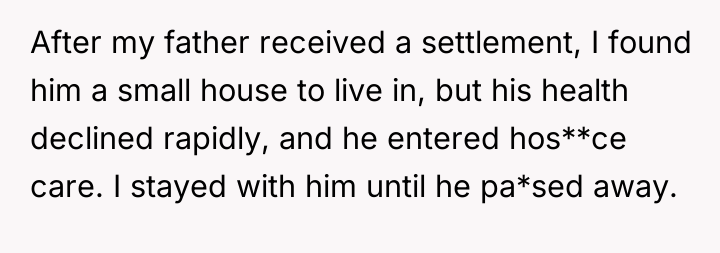
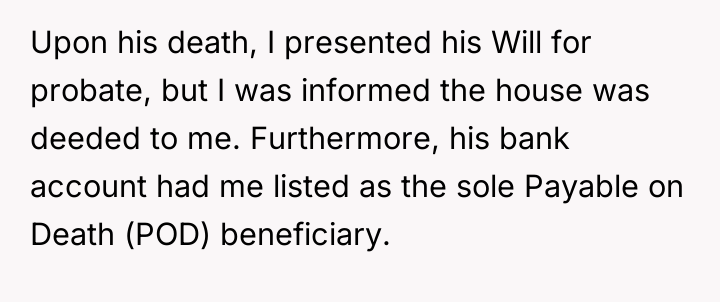
According to estate planning experts like those cited by the American Bar Association (ABA), the designation of a Payable on Death (POD) beneficiary on a bank account bypasses the probate process entirely, meaning the funds legally belong to the named individual (the daughter) upon the owner's death. Similarly, if the house was legally deeded to her or if the Will clearly named her as the sole beneficiary and that Will was executed correctly, her claim to the property is legally sound, independent of the siblings' desires.
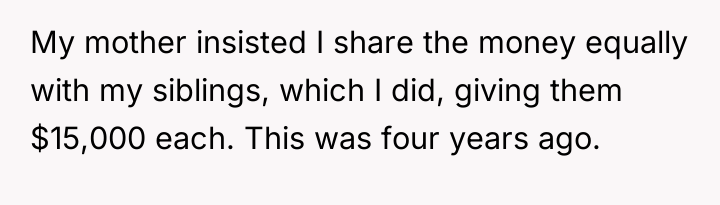
The core conflict here is not legal but emotional and relational, driven by feelings of exclusion and perceived unfairness. The daughter was estranged but became the primary emotional and physical caregiver, which often establishes an implicit contract or expectation of reward (the inheritance) that the other siblings resent because they were absent. The mother’s influence and the siblings’ initial silence after the parents' separation suggest a pattern of excluding the daughter, making their current demands feel hypocritical to her. The daughter's act of giving them $15,000 suggests an attempt to buy peace or fulfill a perceived moral obligation, which, unfortunately, only signaled to the siblings that the daughter might be willing to concede more under pressure.
The daughter's actions in securing her father's welfare (reporting abuse, hiring an attorney) were ethically appropriate and demonstrated commendable advocacy. Moving forward, she should cease all discussion regarding the inheritance with her family and rely solely on her attorney to manage the current demand letter. Her constructive recommendation should be to maintain firm legal boundaries: all communication regarding the estate must go through legal counsel, and no further voluntary financial concessions should be made, as doing so validates their coercive tactics.
THIS STORY SHOOK THE INTERNET – AND REDDITORS DIDN’T HOLD BACK.:
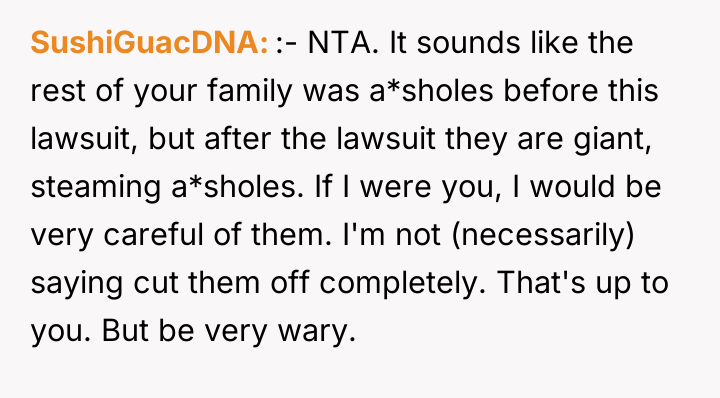
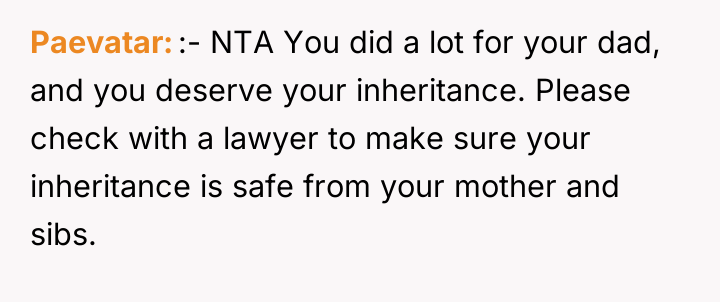
The thread exploded with reactions. Whether agreeing or disagreeing, everyone had something to say — and they said it loud.
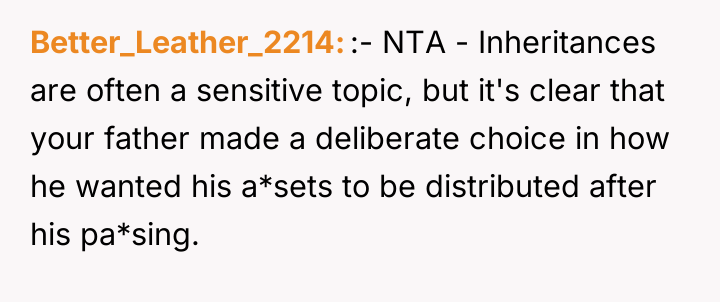
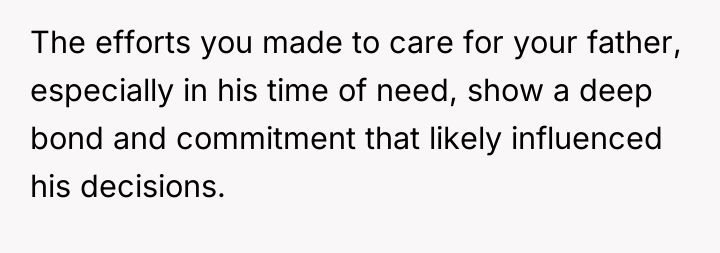
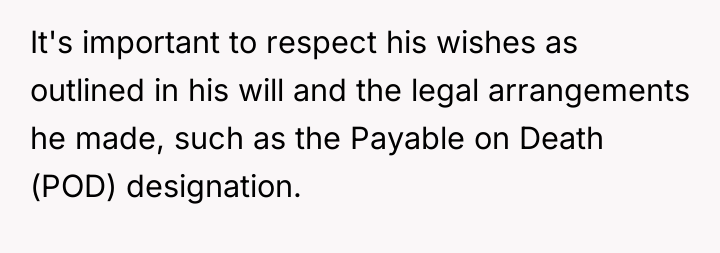
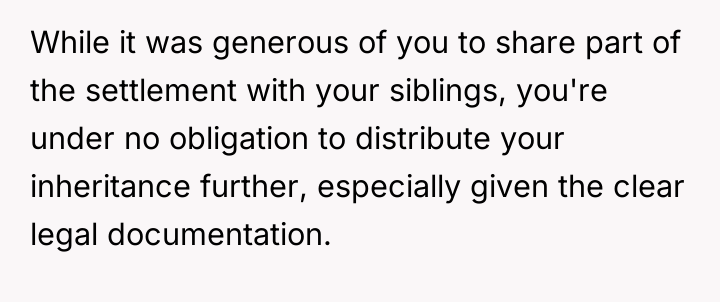
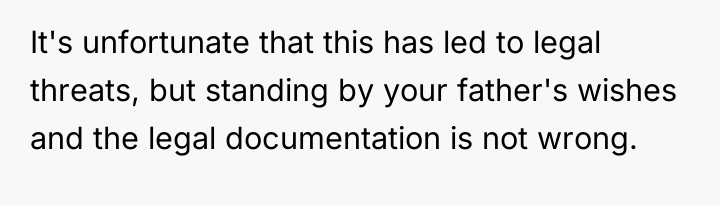


The woman deeply valued her relationship with her father, acting as his primary caregiver and advocate during his final health crises, which ultimately led to her inheriting his assets as per his explicit instructions. However, this dedication has resulted in severe familial conflict, as her siblings and mother believe they are entitled to an equal share of the inheritance, creating a four-year-long dispute over the ownership of the house and the money already shared.
Given the documented legal beneficiary status for the house and the bank account, is the threat of a lawsuit by the siblings to force the transfer of the home a credible legal risk, or is it merely an attempt at financial coercion based on perceived familial obligation rather than legal right?
Trending This Week
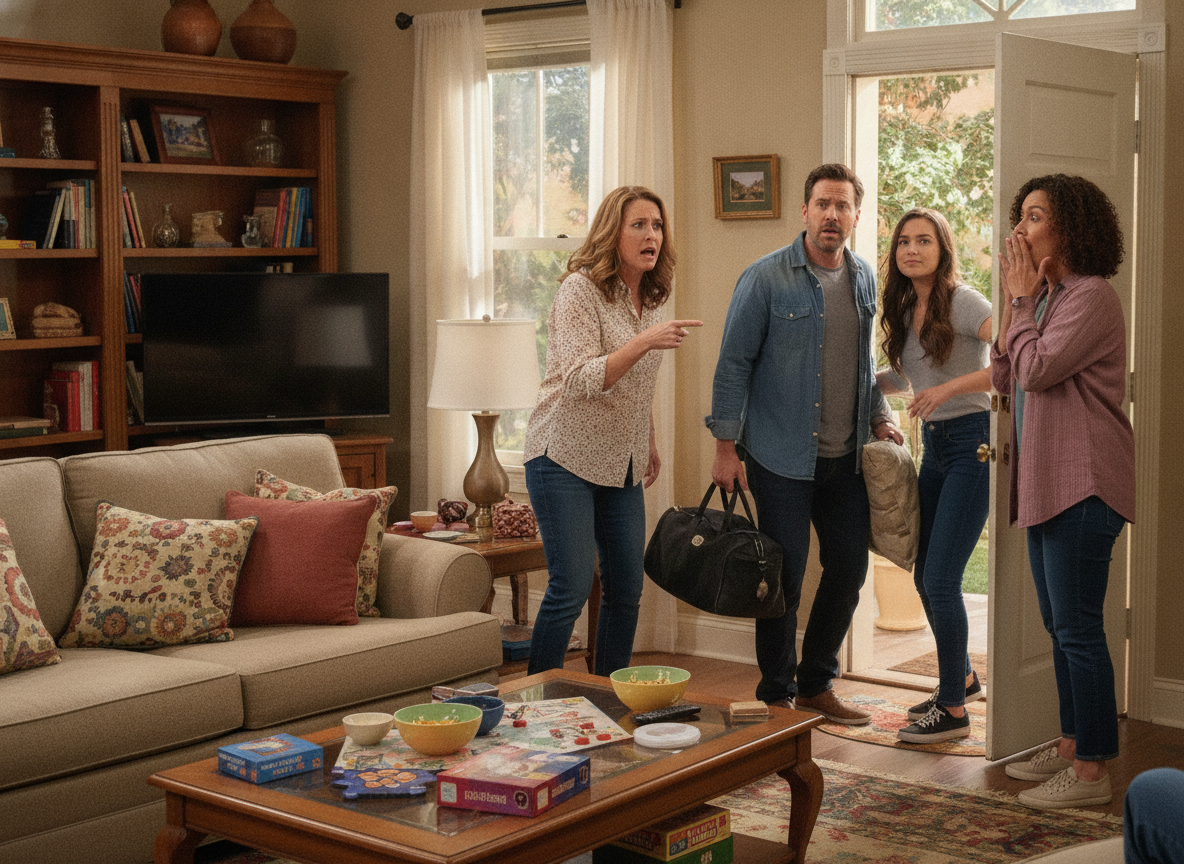
AITAH after kicking my boyfriend out for calling my daughter a snitch and spoiled brat?
I have been dating my boyfriend for a couple of years now. I have an eight-year-old daughter from a previous relationship, and he has a four-year-old son. My boyfriend and I have always bumped heads on parenting styles and discipline. He believes his son is too young to know better, but says my daughter should already know how to act, calling her disrespectful and spoiled. My daughter's father is in jail and no longer in her life, so she craves a father figure, but my boyfriend refuses to show her affection, calling it weird. Recently, he called her a spoiled brat for leaving her plate on the table and a snitch for reporting his son's behavior. When I saw my daughter cry, I asked him to apologize, but he refused. I kicked him out of my house, and now he claims I am being too dramatic.
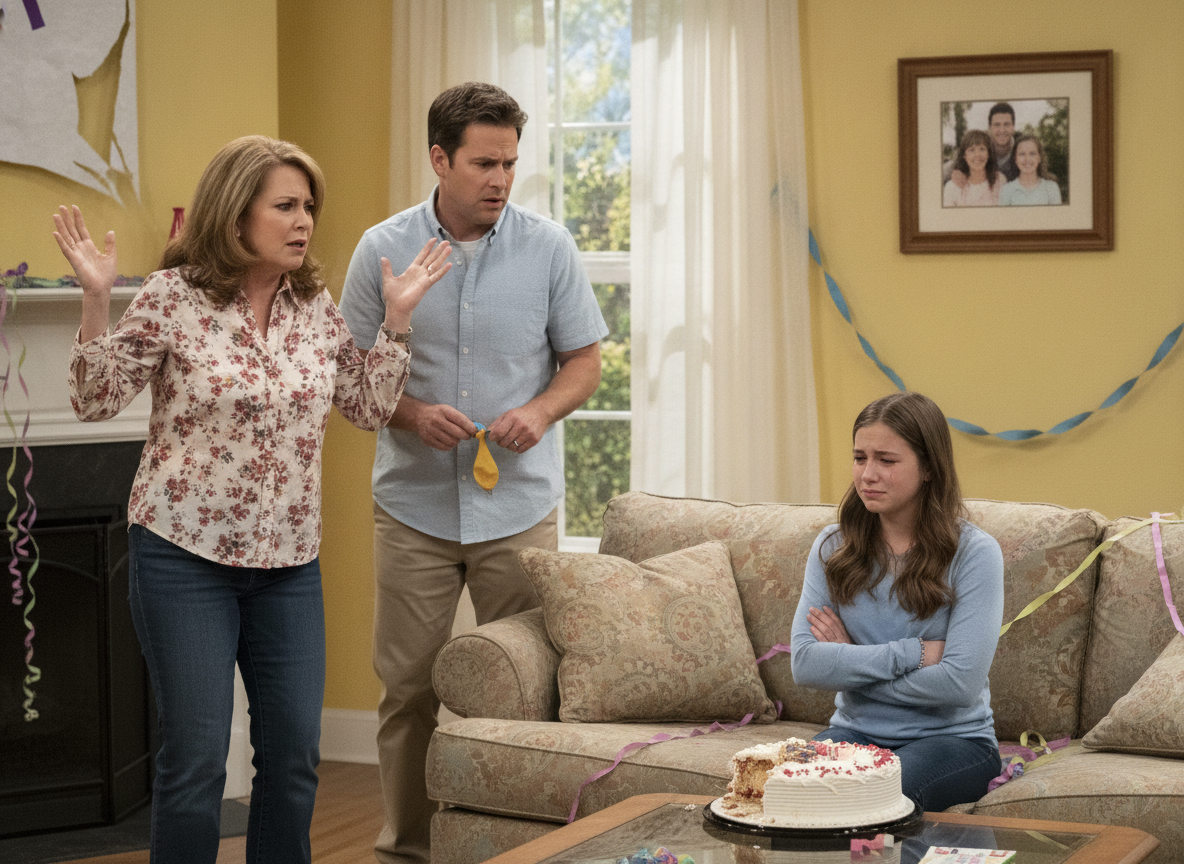
AITA for canceling stepdaughter's birthday party?
My stepdaughter is turning 18 and lives mostly with her mother. My husband works a lot but is a very involved father. He asked me to plan her birthday party, and I agreed, spending several hundred dollars and many hours of my own time to make sure everything was perfect. The conflict began when the biological mother demanded my husband buy over five thousand dollars in jewelry and concert tickets for their daughter, which we could not afford. When my husband refused, the biological mother drove to our home, stood in our driveway, and began screaming and cursing at him. To defend my husband and our home, I went outside and told her to shut her mouth and that she had no right to speak to him that way. Although my stepdaughter was not present, her mother told her about the confrontation. Consequently, my stepdaughter uninvited me from the party I planned and funded, claiming she and her mother felt too uncomfortable to have me there. In response, I decided to cancel the reservations, catering, and decorations, choosing to redirect my money elsewhere.
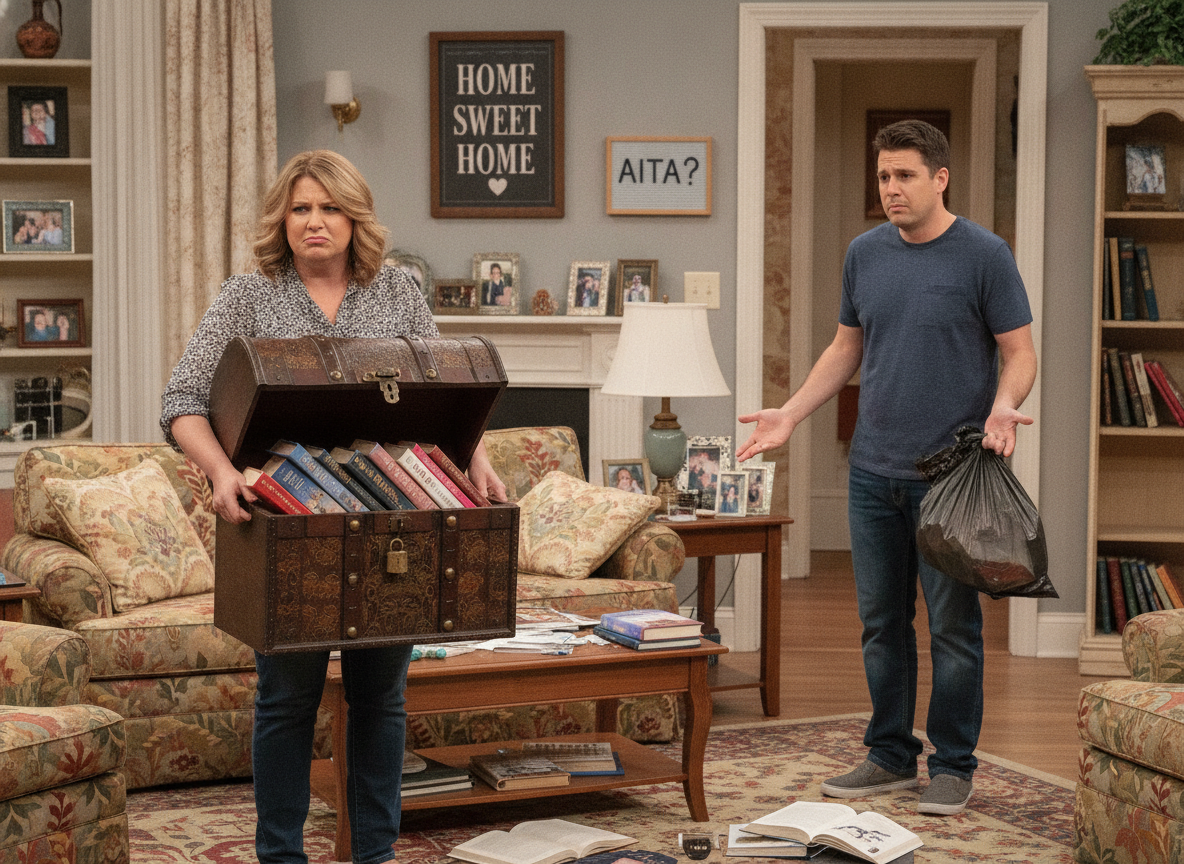
AITA for locking up my romance novels so my husband can’t throw them away?
I love reading romance novels, josei manga, webtoons, and short stories. My husband recently started having an issue with my books, claiming they were in the way, even though I keep them on a single bookshelf and they do not affect his life. I pay my half of the bills and do my share of the chores. After he made a comment about throwing my books out to have a fresh start, I bought a small locked cabinet to secure them. My husband tried to open it, found it locked, and became upset, accusing me of not trusting him and caring more about my books than him. Later, I came home to find him trying to put back together a flimsy book of mine that had lost some pages. He kept apologizing, saying he did not mean to ruin it. I asked him why he was acting this way, especially since this behavior only started after we moved from a two-bedroom apartment into a studio. He admitted he felt annoyed that I spent so much time reading romance novels instead of spending time with him. In our previous home, my reading was less visible because of our working arrangements. He explained that his past partners had cheated on him, causing him to lose his romantic side. Seeing me so engrossed in romance books made him feel like I wanted romance, but not with him. He also admitted feeling insecure because we are not an overtly affectionate couple, though he recognizes the many ways I show my love, which makes him feel guilty. He apologized for his actions and expressed that he was just frustrated and hurt.