
Homeowner Flips Out After Redditor Asks Airbnb For A Refund Because Pool In Their Rented Place Stopped Working
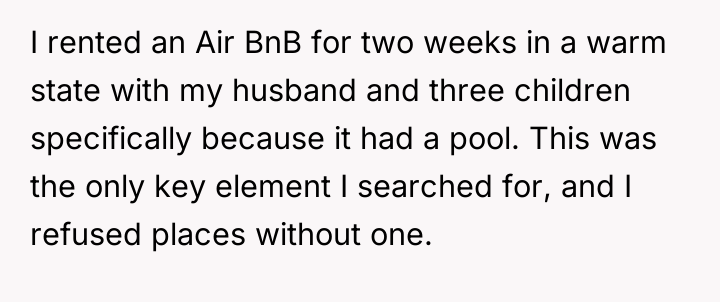
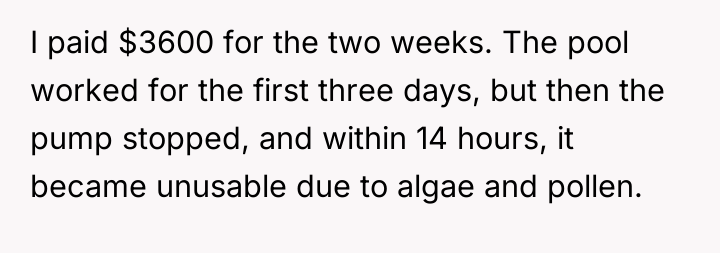
Desperate for a break from the relentless winter, a family of five eagerly escaped to a warm state, clutching onto the promise of sun and the joy of a private pool. The mother had one non-negotiable wish: to see her children splash and laugh in the water, a beacon of warmth and happiness after months of snow. She spared no expense, investing $3600 for two weeks of what should have been pure bliss.
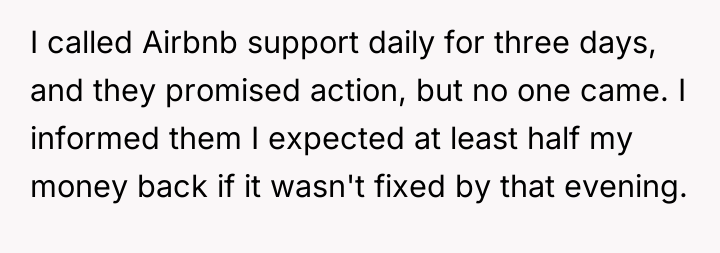
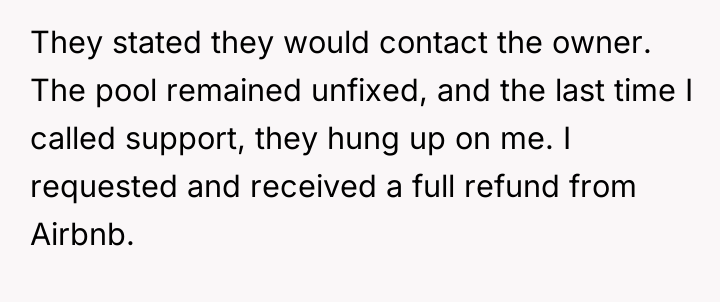
But that dream quickly turned sour. By the fourth day, the pool that symbolized their escape became a murky, green nightmare, a stark reminder of broken promises. Despite countless calls and desperate pleas, help never came, leaving the family trapped in a cold shadow of disappointment, their hopes as murky as the water they longed to swim in.

Subscribe to Our Newsletter
Dr. Robert Cialdini, a renowned psychologist known for his work on persuasion and influence, highlights the principle of commitment and consistency. In this scenario, the host committed to providing a property with specific features, including a functioning pool, and the guest committed to paying a premium for those features. When the host failed to deliver, the guest acted consistently with the value they did not receive by demanding remuneration.
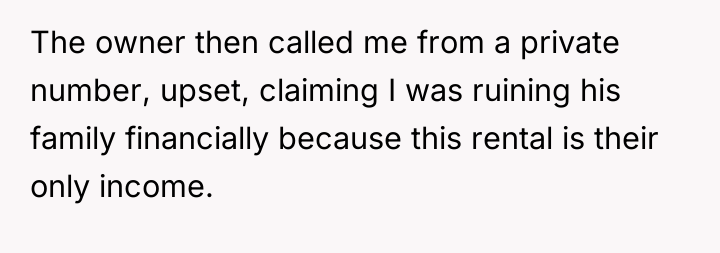
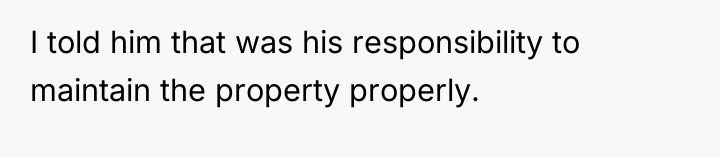
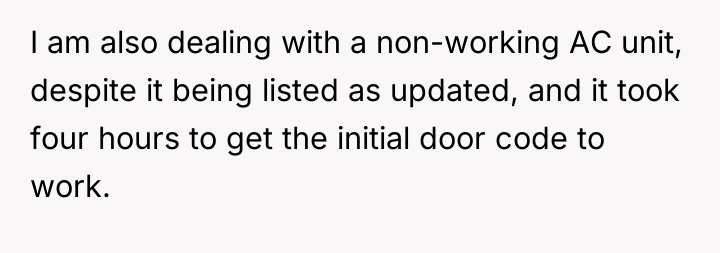
The guest's motivation was rooted in perceived value deprivation. They paid $3600 specifically for the pool experience, making it the 'key element.' The breakdown of the pool, followed by the non-functional AC and initial door code issue, constitutes multiple service failures that transform the listing into a case of false or misleading advertising. The host's use of emotional manipulation—claiming the refund is 'taking food out of his children's mouths'—is a common tactic (guilt induction) to deflect responsibility for the service failure. The guest was correct to counter that the host’s operational or financial management issues are not the guest’s responsibility when contractual expectations are unmet.
From a professional standpoint, the guest's actions were appropriate given the cumulative failures (pool, AC, entry code). The initial expectation should have been a significant partial refund based on the loss of the primary amenity and the AC failure. Airbnb's decision to grant a full refund was likely based on the documented pattern of significant inconvenience and poor service recovery (e.g., hanging up). Moving forward, guests should document all failures immediately with photos/videos and clearly state remediation timelines. Hosts must ensure all listed amenities are operational before accepting bookings, or proactively offer significant pro-rated discounts immediately upon failure.
AFTER THIS STORY DROPPED, REDDIT WENT INTO MELTDOWN MODE – CHECK OUT WHAT PEOPLE SAID.:
Users didn’t stay quiet — they showed up in full force, mixing support with sharp criticism. From calling out bad behavior to offering real talk, the comments lit up fast.
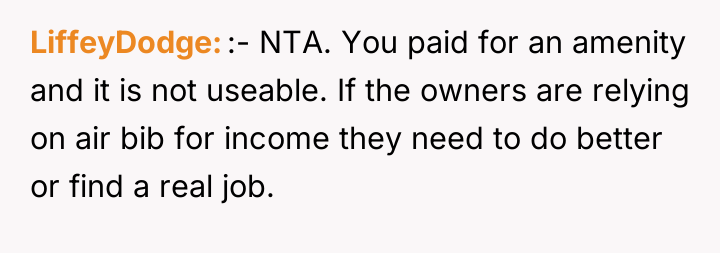
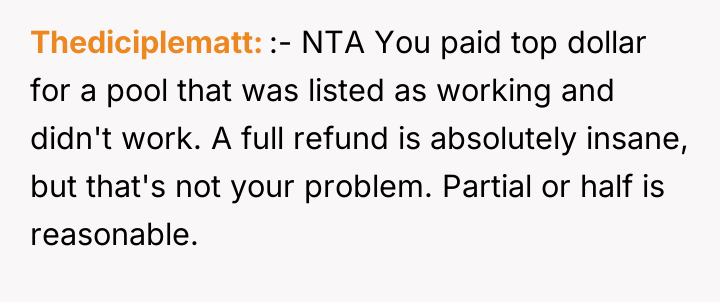
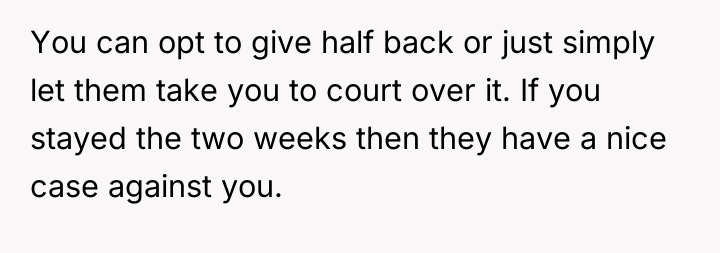

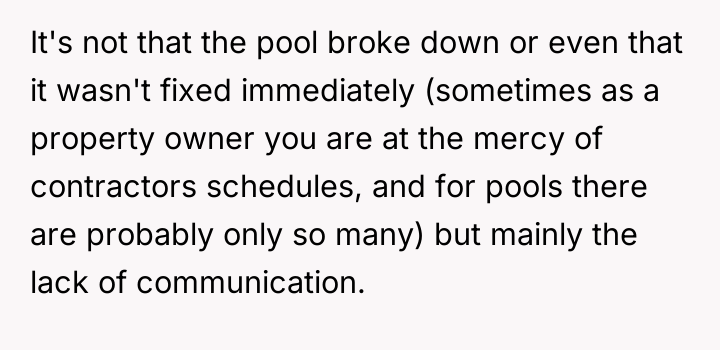
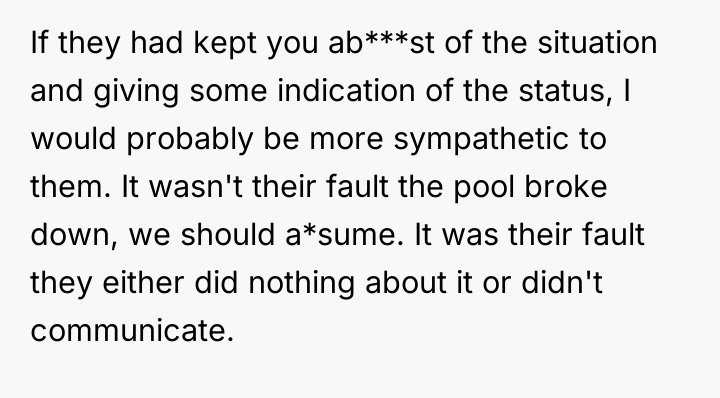
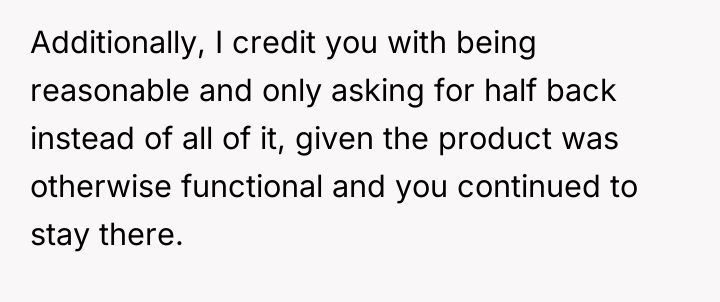
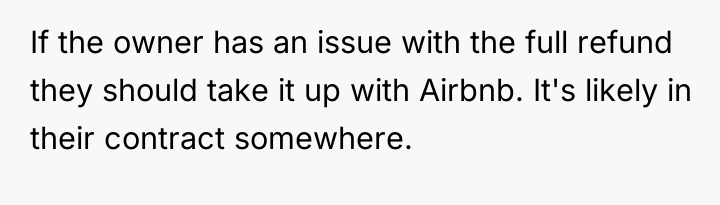
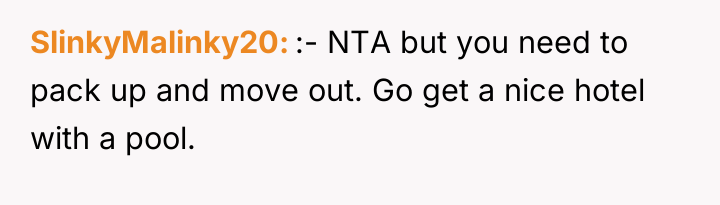
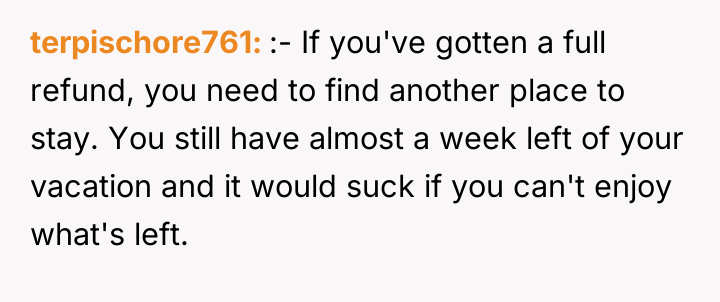
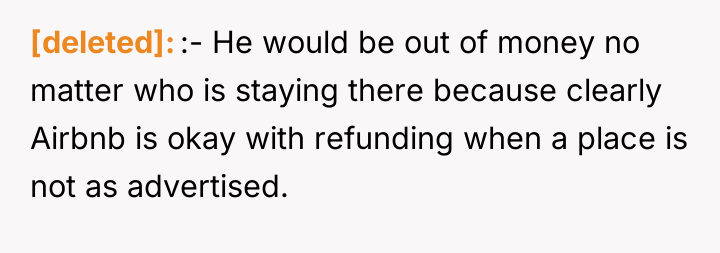
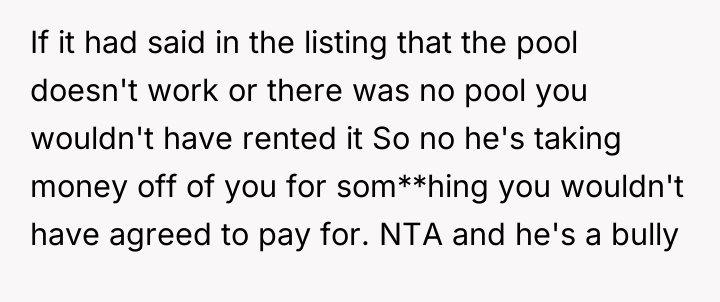
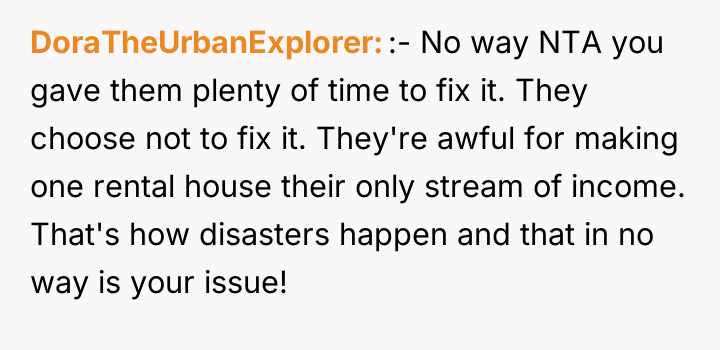
The guest prioritized the pool amenity, which failed early in the two-week stay, leading to significant frustration and a demand for compensation. The core conflict lies between the guest's expectation of receiving the paid-for service and the host's subsequent financial distress and emotional appeal when the full refund was issued.
When essential paid amenities fail due to host negligence, is the guest justified in seeking a full refund, even if it causes severe financial harm to the host, or should the guest accept only partial compensation and seek alternative solutions?