
Woman Faces Backlash From Father After Donating Her Beautiful Red Hair To Kids With Cancer Instead Of Stepmother Dealing With Hair Loss
She had nurtured her vibrant, untamed red hair for years, a living testament to her identity and resilience, untouched by dye or excess styling. The hair, a rare and captivating hue, was not just a feature but a part of her story, admired by many yet deeply personal, symbolizing a quiet strength cultivated through time.
Then, in a bold act of generosity and self-renewal, she severed sixteen inches to give hope to children battling illness, embracing a transformation that rekindled her sense of self. This moment of empowerment was shadowed by an unexpected message from her father, hinting at a new emotional chapter about to unfold.

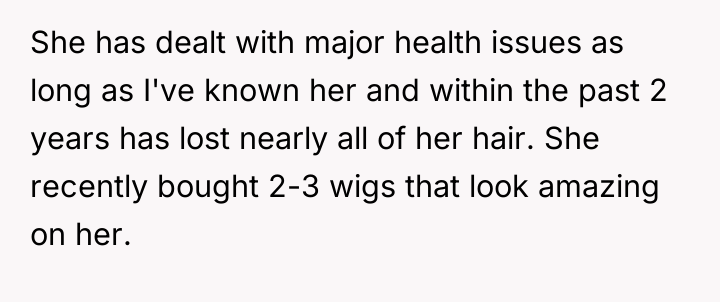
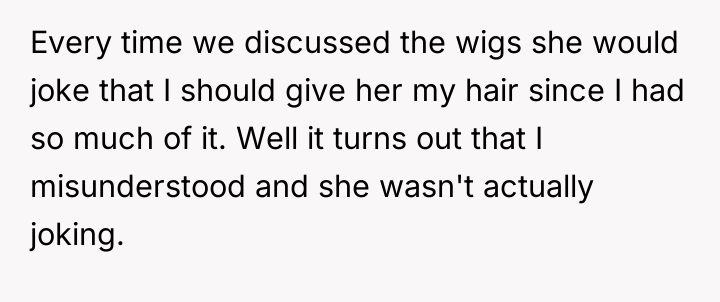
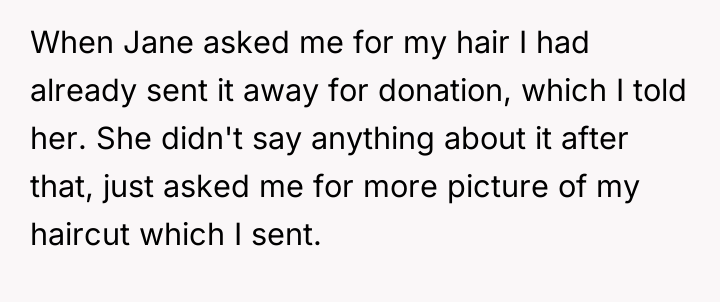
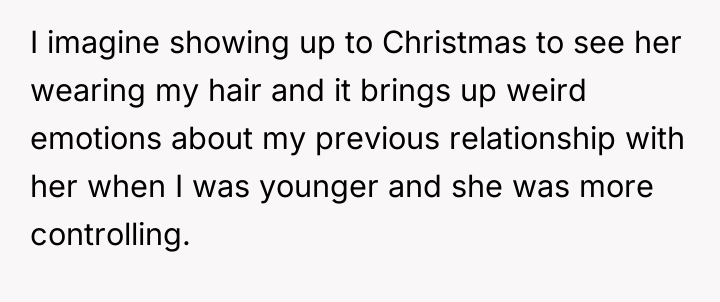
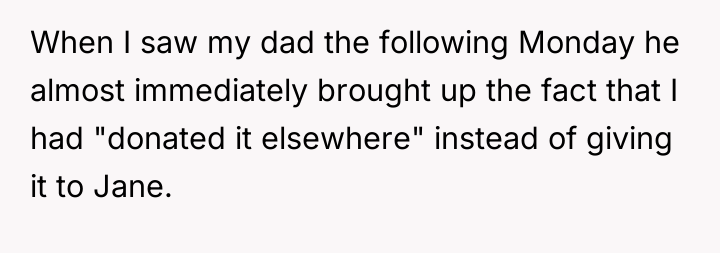
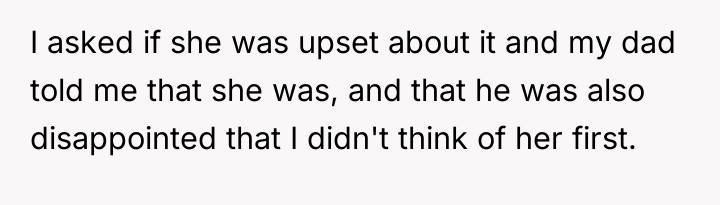
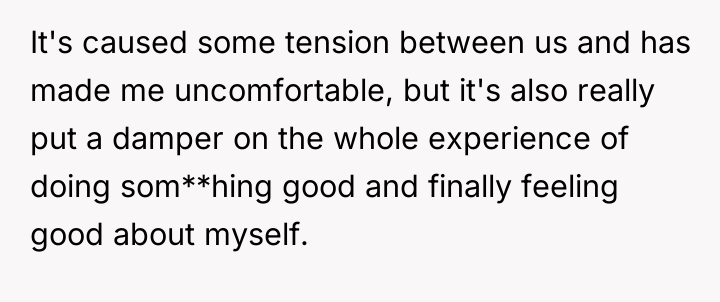
According to Dr. Harriet Lerner, an expert on relationships and boundaries, 'Boundaries are the framework around which we build our lives.' In this situation, the stepmother's expectation that the daughter provide a physical part of herself (her hair) for her personal need directly challenges the daughter's autonomy and right to set clear boundaries regarding her body and actions.
The conflict involves several psychological elements: emotional labor, perceived obligation, and unresolved relational history. The daughter's decision to donate the hair was rooted in altruism and personal affirmation, yet the father and stepmother framed this personal choice as a failure to prioritize family needs. The stepmother's past health issues and hair loss create a situation ripe for emotional leverage, where her need is presented as a moral obligation for the daughter to fulfill. The daughter feeling guilty indicates a potential pattern where her needs or choices are suppressed to maintain familial peace or meet external expectations.
The daughter acted appropriately in choosing to donate her hair to the charity she selected, as it was her property and her decision aligned with her values. To handle similar situations better, the individual should practice setting firm, kind boundaries immediately when requests conflict with their intentions. For instance, a response could have been: 'I understand you wanted my hair, Jane, but I committed this donation to Angel Hair For Kids weeks ago. I am happy to help you research other wig options or resources.' This acknowledges the other person's feelings without yielding the decision.
AFTER THIS STORY DROPPED, REDDIT WENT INTO MELTDOWN MODE – CHECK OUT WHAT PEOPLE SAID.:
When users weighed in, they held nothing back. It’s a raw, honest look at what people really think.
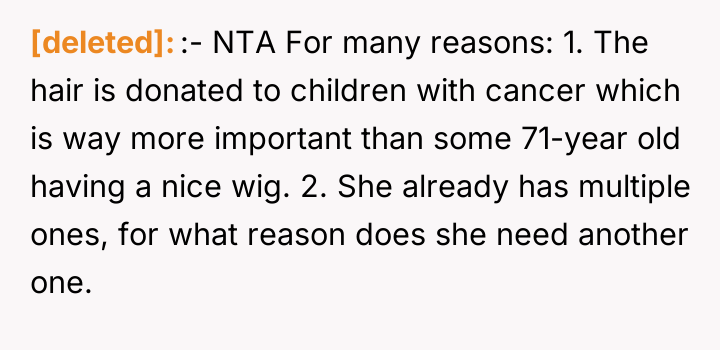
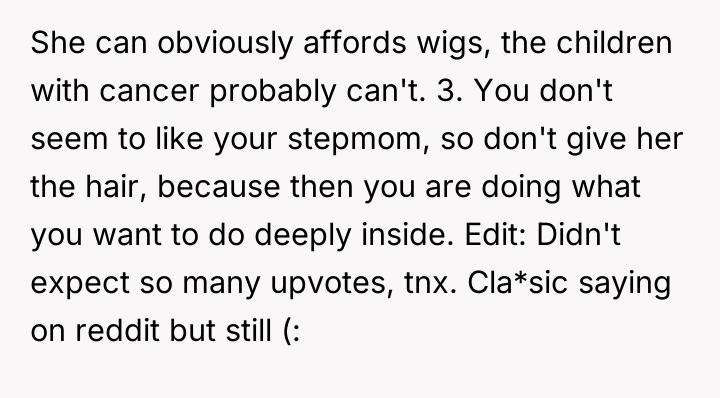
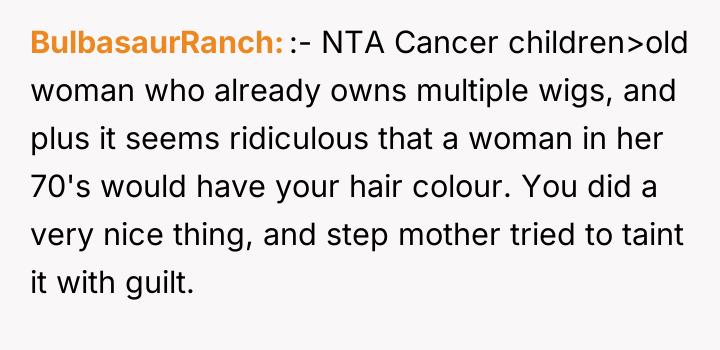
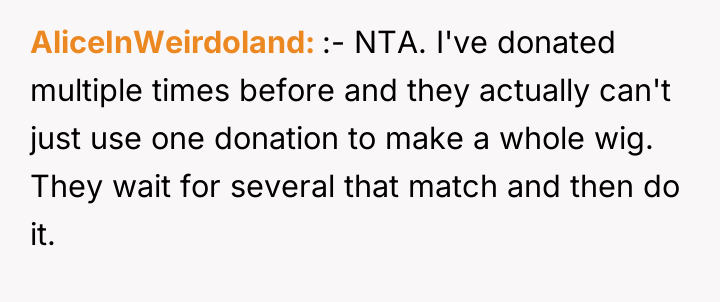
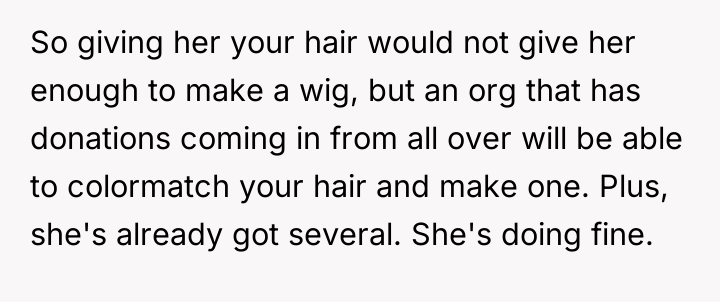
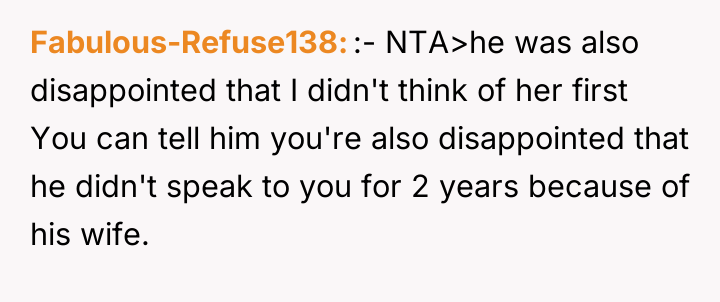
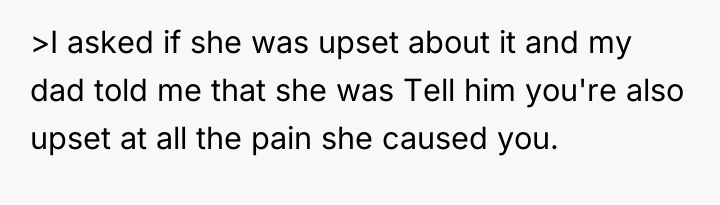
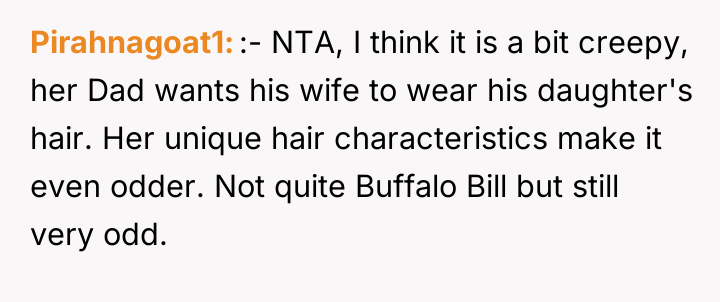
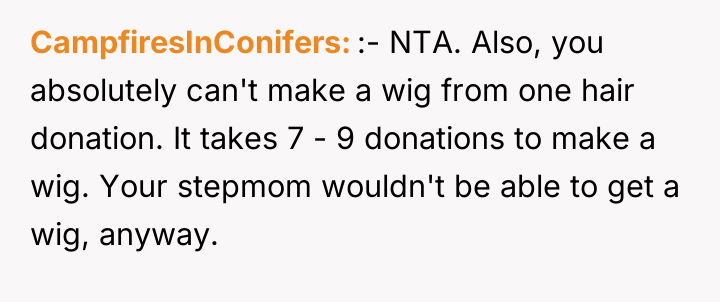
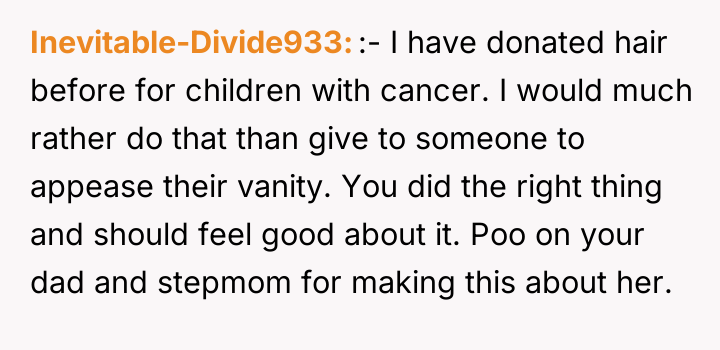
The individual experienced significant personal satisfaction from cutting and donating their long, healthy hair to a children's charity, marking a positive self-reclamation. However, this positive action was immediately complicated by the disappointment expressed by their father and stepmother, who expected the hair to be given directly to the stepmother for her own use due to her hair loss.
Does the prior relationship dynamic and the stepmother's expressed desire for the hair outweigh the individual's right to choose a charitable recipient for their personal property, especially when the act was intended as a gesture of altruism?