
Man Chooses To Kick Out His Family After They Insult His Boyfriend And Dismiss His Grief Over Sister's Death
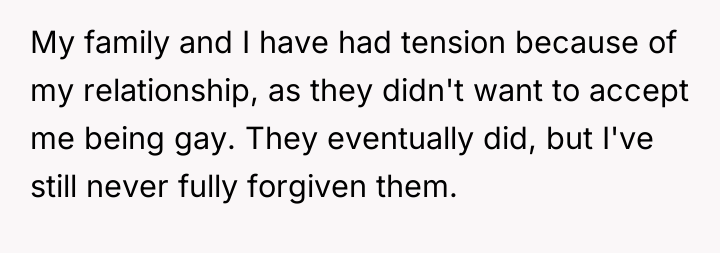
For four years, he had loved fiercely and patiently, navigating the fragile terrain of acceptance with a family reluctant to embrace his truth. Despite their eventual, grudging approval, the wounds of rejection lingered deep within him, a shadow over the joy he found in his relationship and the hope of a future together.
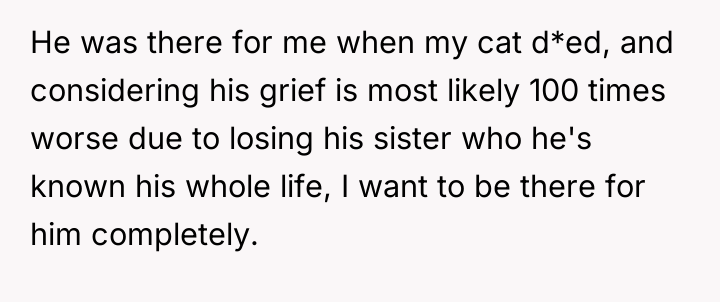
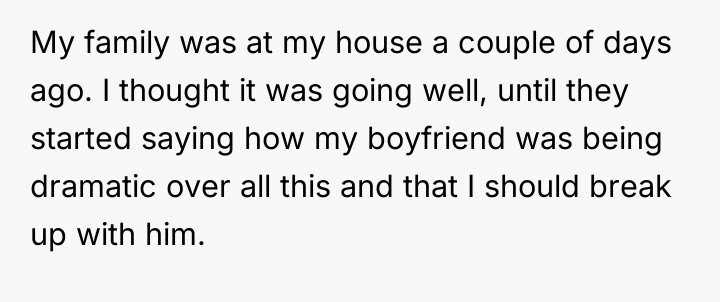
Now, as his boyfriend grappled with the profound loss of a sister and best friend, he stood unwaveringly by his side, only to face the cruel dismissal of his pain from those who should have offered support. The betrayal cut deep, igniting a fierce protectiveness and a resolve to defend the love and grief that others dared to belittle.



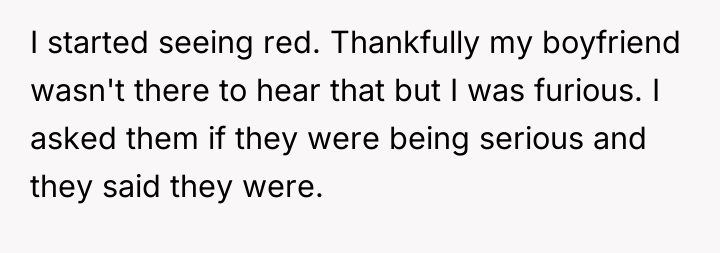
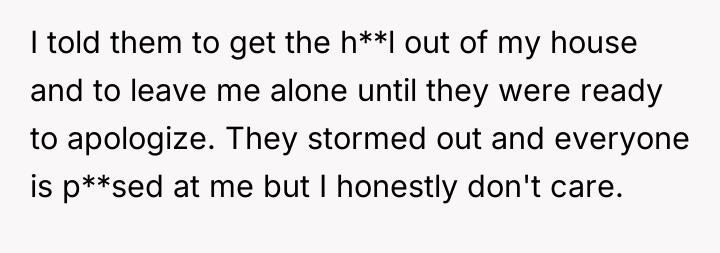
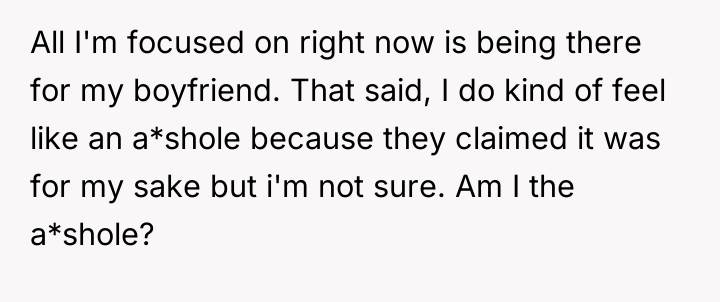
Dr. Elisabeth Kübler-Ross, whose work on the stages of grief is foundational, emphasizes that the grieving process is deeply personal and non-linear. When a major loss, such as the death of a sibling who was also a best friend, occurs, the primary emotional need of the bereaved person is support, validation, and patience, not judgment or criticism regarding the timeline or intensity of their sadness.
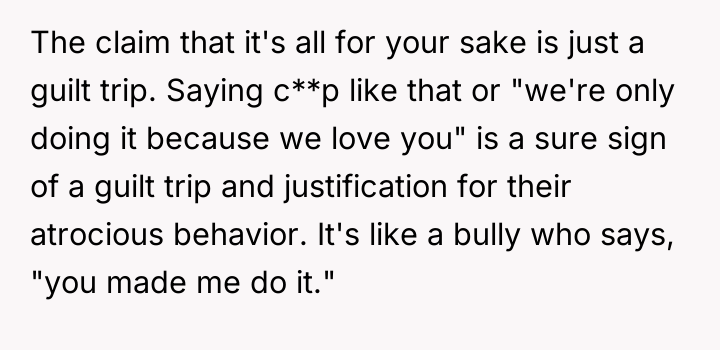
The poster (OP) is exhibiting high levels of loyalty and empathy, essentially reciprocating the support they received previously. Their reaction to their family—expelling them from the home—is a swift, protective boundary enforcement. This action, while emotionally charged, directly addresses the threat to their partner's well-being. The family's response, suggesting the boyfriend is being 'dramatic' and advising a breakup during acute grief, demonstrates a profound lack of emotional intelligence and respect for the OP's relationship boundaries. Their alleged reasoning of acting 'for the sake of the OP' is likely rooted in their own discomfort with the OP's relationship or their inability to handle intense emotional situations, rather than genuine concern for the OP's long-term happiness.
From a relationship psychology standpoint, OP's defense of their partner solidifies the primary partnership bond against external stressors. While the confrontation was intense, the boundary established was necessary to protect the partner during a vulnerable time. A more constructive future approach might involve addressing the family's historical intolerance (the initial non-acceptance of the relationship) separately, perhaps after the immediate crisis passes, using 'I' statements to explain how their words impact the relationship, rather than reacting purely out of anger in the heat of the moment.
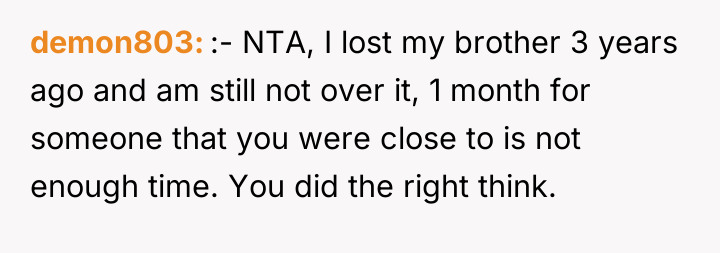
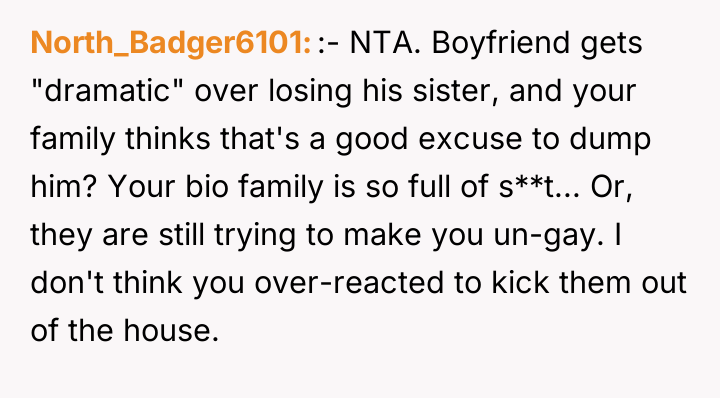
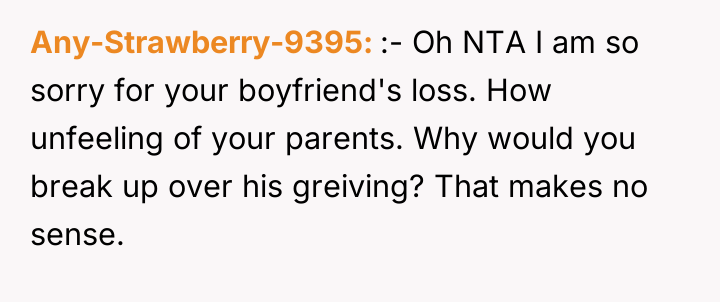
THE COMMENTS SECTION WENT WILD – REDDIT HAD *A LOT* TO SAY ABOUT THIS ONE.:
The internet jumped in fast, delivering everything from kind advice to cold truth. It’s a mix of empathy, outrage, and no-nonsense takes.
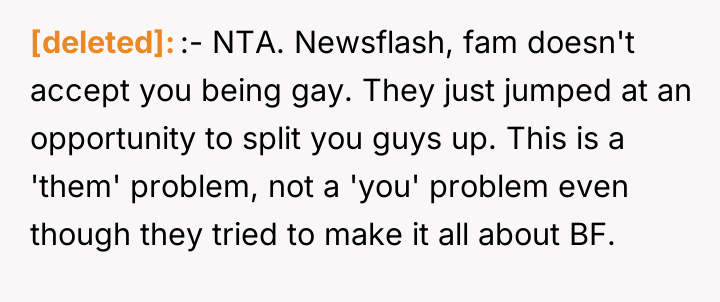


The individual is currently prioritizing their partner's intense grief and standing firm against family disapproval, creating significant conflict with their relatives. This action stems from a deep protective instinct toward their partner, balanced against lingering past tension with the family regarding their sexual orientation.
Is defending a grieving partner against harsh, ill-timed criticism from family justified, even if it results in immediate estrangement, or should the individual have prioritized managing the existing family dynamic over confronting their toxic commentary in that moment?