
AITA for saying its not my problem if my friend doesn’t make enough waitressing?
In the quiet aftermath of an escape room adventure, a simple offer to cook dinner sparked a deeper conversation about choices, values, and the invisible pressures of wealth. Beneath the surface of friendly banter, tensions simmered as the cost of living and societal expectations collided with personal priorities and unspoken judgments.
What began as a shared meal became a battleground for understanding, where the meaning of money, generosity, and support for others was fiercely debated. In this clash of perspectives, the true cost of comfort and the weight of assumptions about wealth and responsibility were laid bare.

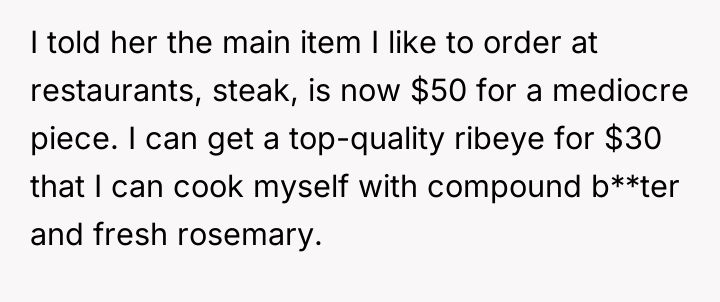
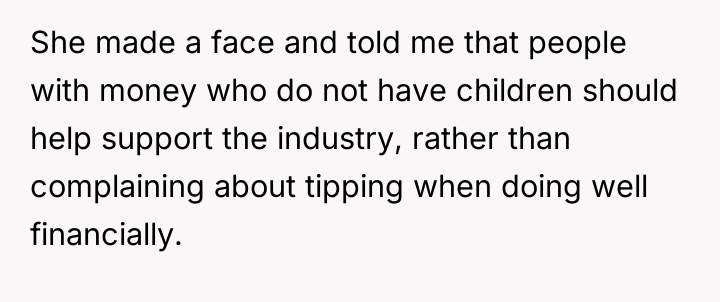
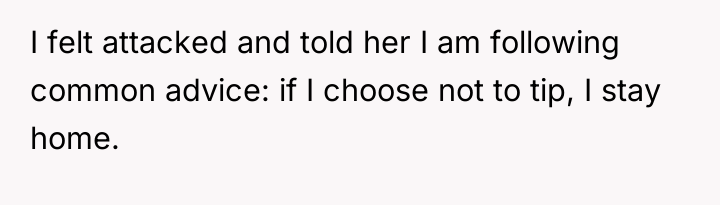
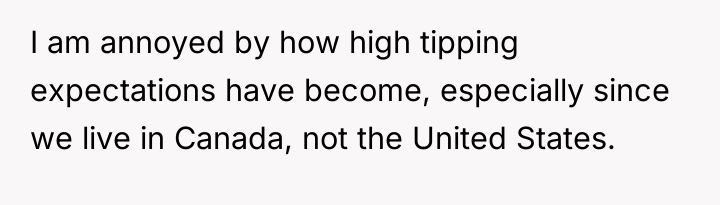
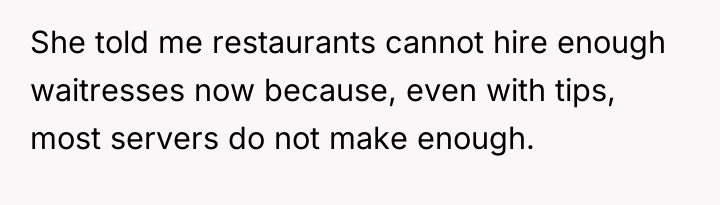
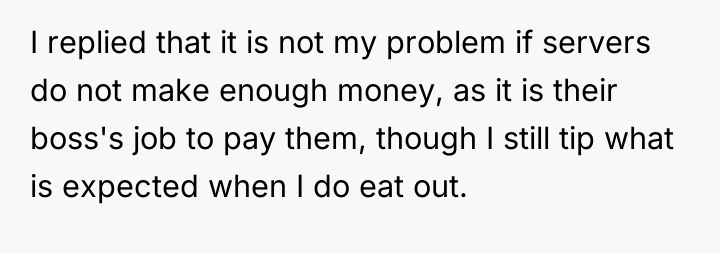
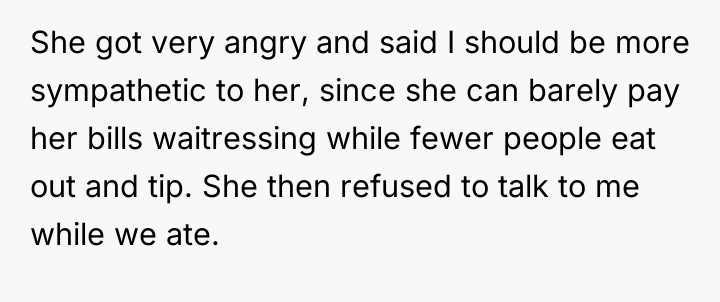
Dr. Michael Lynn, a professor of consumer behavior and hospitality marketing at Cornell University, has extensively studied tipping culture and notes that tipping often creates friction because consumers feel coerced while service workers rely on it for their livelihood. In this scenario, a conversation about general inflation quickly turned into a personal dispute. The host established a logical financial boundary based on rising costs, whereas her friend viewed the issue through the lens of her own daily financial struggle as a server.
The friend's emotional reaction stems from the pressure of systemic wage issues in the service industry, leading her to project frustration onto someone she views as financially secure. However, expecting individual consumers to offset structural problems in server compensation is unrealistic and strains personal relationships. The host acted appropriately by choosing how to manage her own finances, though discussing the expense of dining out required more tact when speaking to someone reliant on tips. Moving forward, keeping personal financial debates separate from social interactions with service-worker friends can help protect relationships while respecting personal boundaries.
HERE’S HOW REDDIT BLEW UP AFTER HEARING THIS – PEOPLE COULDN’T BELIEVE IT.:
The internet jumped in fast, delivering everything from kind advice to cold truth. It’s a mix of empathy, outrage, and no-nonsense takes.
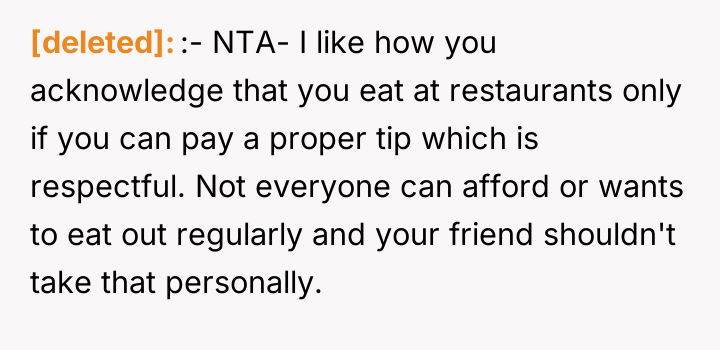
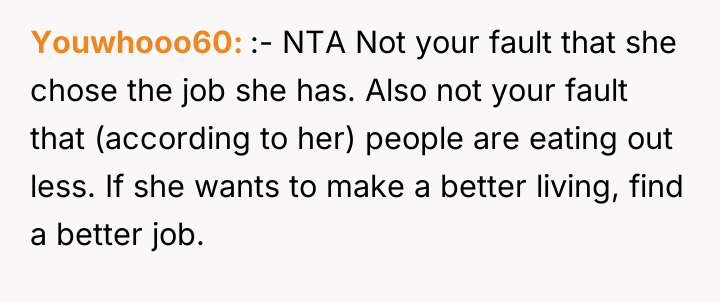
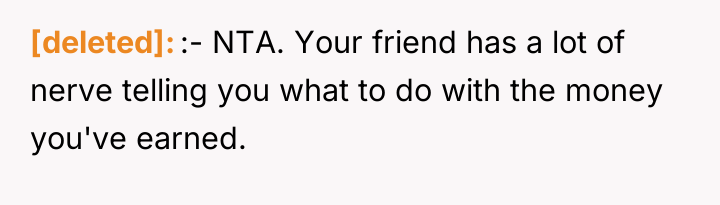
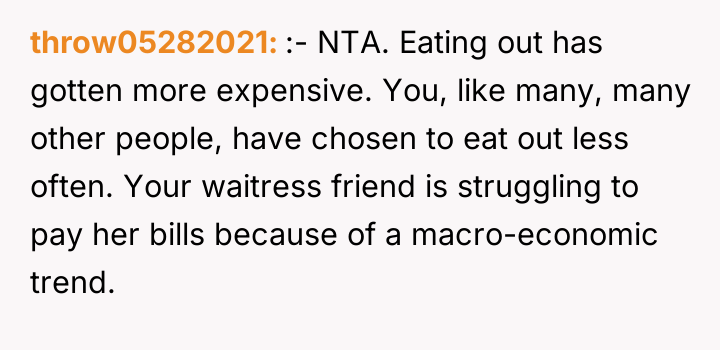
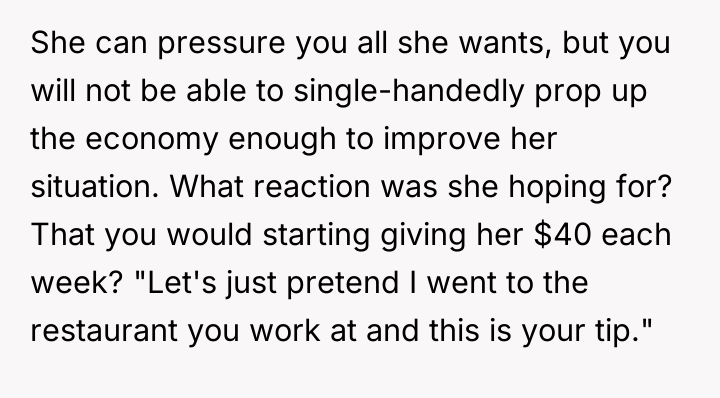
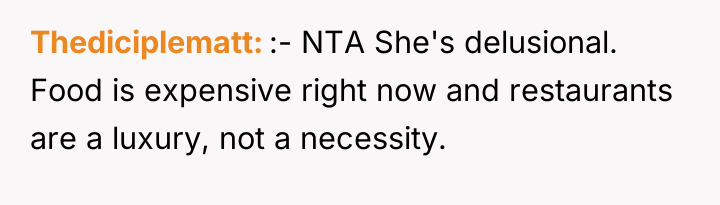
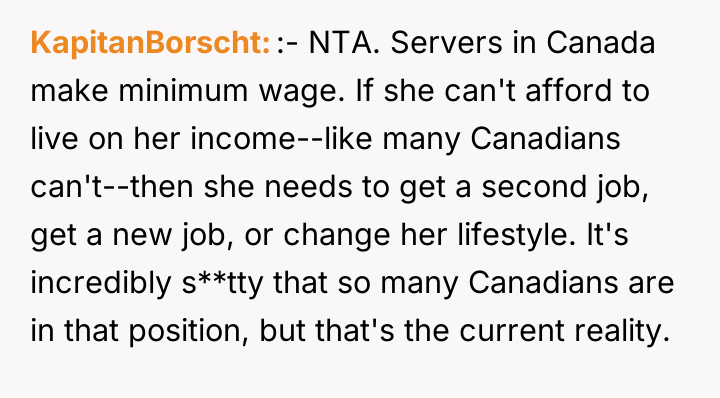
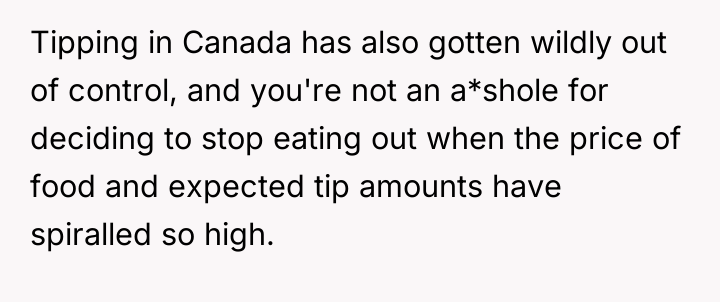

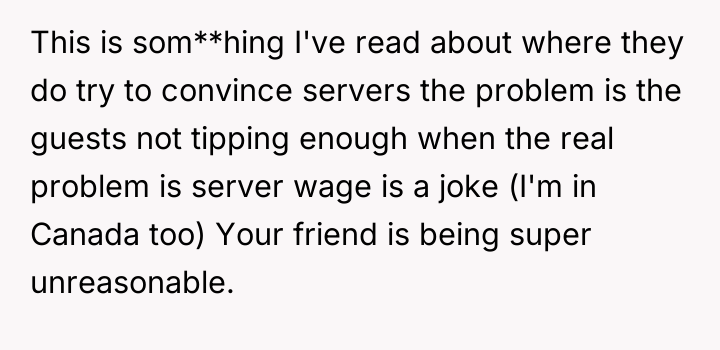
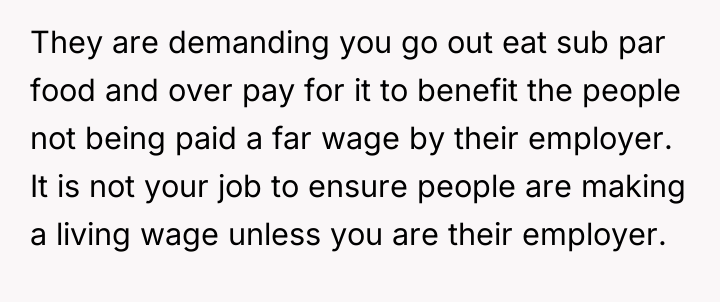
The host felt justified in choosing to cook at home to avoid rising restaurant prices and high tipping expectations, believing personal spending choices are an individual right. However, this stance created severe tension with her friend, a struggling waitress who feels financially comfortable individuals have a responsibility to support service workers.
Was the host reasonable to set personal spending boundaries and opt out of dining at restaurants, or should she have shown more empathy toward her friend's struggles within the hospitality industry?