
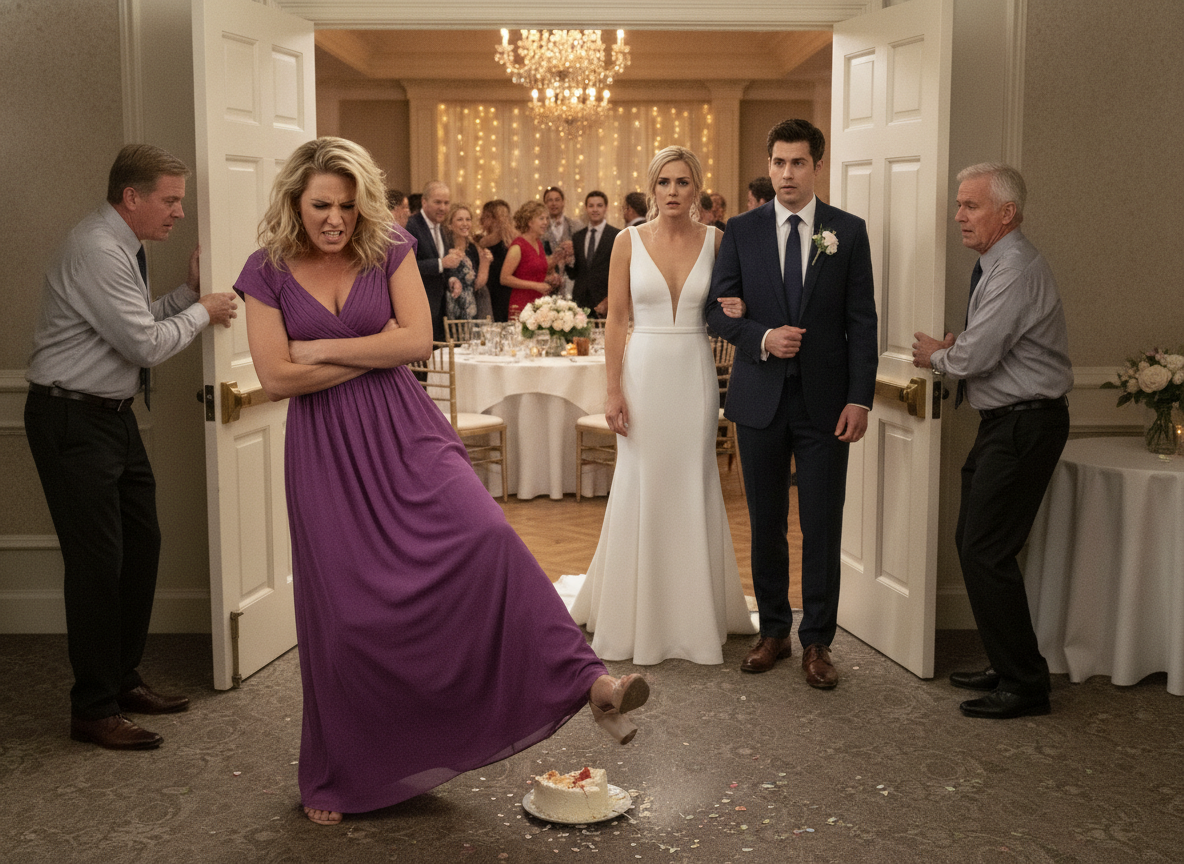
AITA because I didn't stay at my own wedding reception after my SIL had a tantrum?
Separated by oceans and years, a young woman’s heart ached with longing as she navigated the challenges of a long-distance marriage between the UK and the US. Despite the sacrifices and the hope built on countless video calls, the moment she finally met her husband’s family in person brought a crushing loneliness, as invisible walls of silence and indifference surrounded her.
Eager to belong but met with cold distance, she found herself an outsider in conversations filled with unfamiliar memories and interests. The warmth she craved was replaced by awkward silences and unasked questions, leaving her to grapple with the painful realization that love alone might not be enough to bridge the divide between her and the family she yearned to call her own.

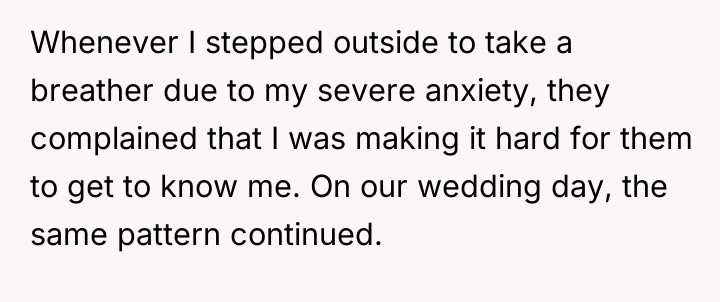

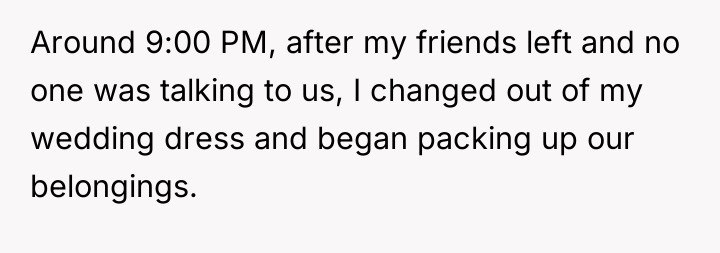

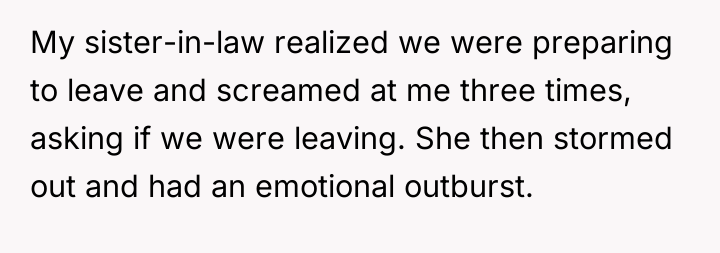
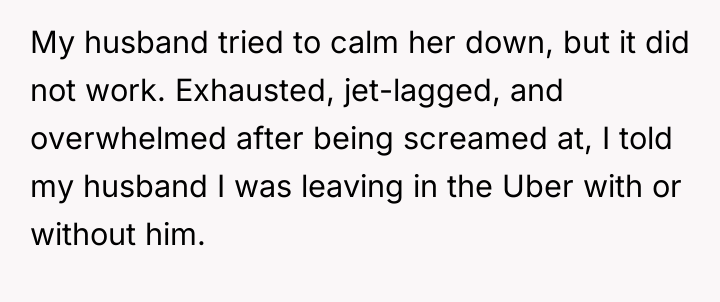
As clinical psychologist Dr. Harriet Lerner notes in her work on family dynamics, 'Clear communication is the foundation of healthy boundaries, but family systems often resist change when a new member enters.' In this situation, the bride experienced social exclusion and heightened anxiety due to a lack of welcoming behavior from her husband's family. The family claimed a desire to connect, yet placed the entire emotional burden on the newcomer without engaging her in inclusive conversations.
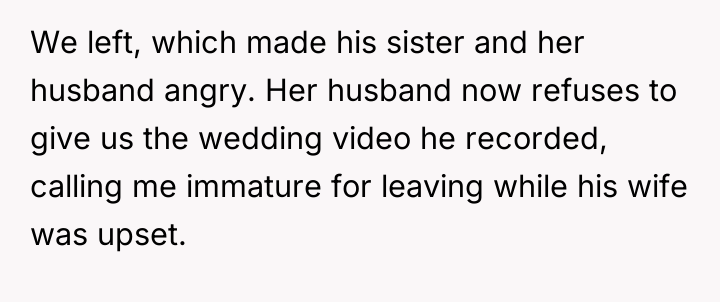
The escalation at the end of the evening highlights a breakdown in communication and expectation management. The sister-in-law reacted to the sudden departure with intense emotion, while the bride, suffering from jet lag and sensory overload, enforced an abrupt exit strategy. The husband's failure to mediate early in the evening or establish clear timelines for leaving left both parties feeling defensive and misunderstood, resulting in punitive measures such as withholding the wedding video.
While the bride's frustration was understandable given the circumstances, issuing an ultimatum to her husband was not the most constructive approach. However, her decision to remove herself from a hostile interaction was protective. In the future, the couple should establish agreed-upon departure signals and communicate their schedule to extended family in advance to prevent sudden confrontations.
AFTER THIS STORY DROPPED, REDDIT WENT INTO MELTDOWN MODE – CHECK OUT WHAT PEOPLE SAID.:
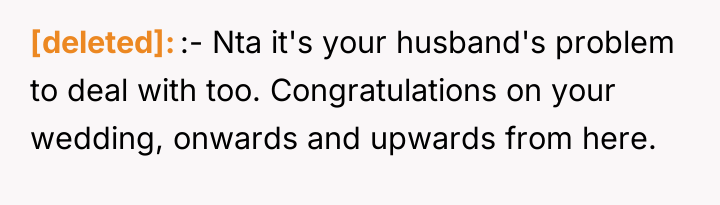
The thread exploded with reactions. Whether agreeing or disagreeing, everyone had something to say — and they said it loud.



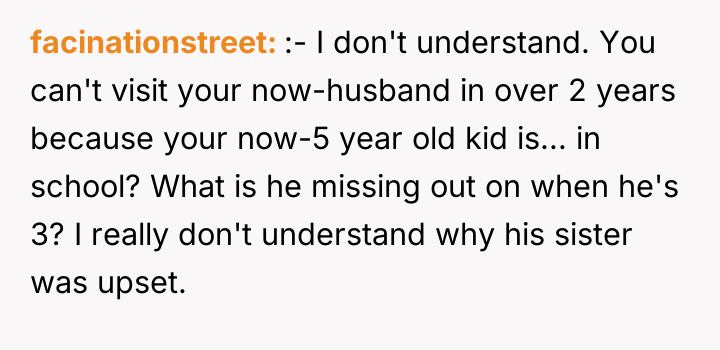
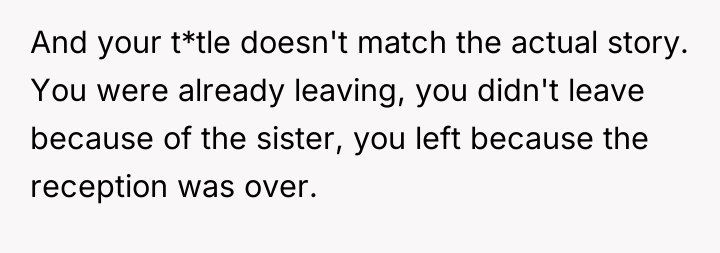
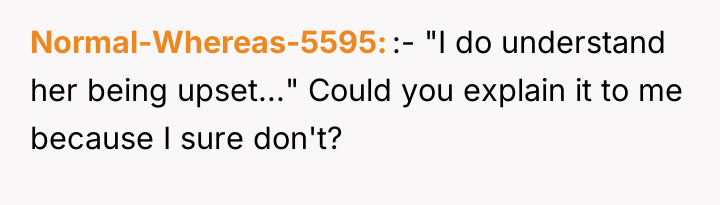

The bride felt isolated and ignored by her new in-laws throughout her trip, leading to deep exhaustion and anxiety on her wedding night. When she attempted to leave the venue quietly, her sister-in-law reacted with public anger, creating a conflict between the bride's need for personal boundaries and the family's expectation of traditional social obligations.
Was the bride justified in setting a hard boundary and leaving the reception after being screamed at, or was she wrong for giving an ultimatum and departing while her sister-in-law was visibly distressed?