I (27F) was called a “blue-haired liberal” by my boyfriend for refusing to continue watching a movie with themes of s*xual violence
The user (OP) and her boyfriend (28M) were watching the movie "28 Days Later" in preparation for a new installment in the franchise. The movie depicts a viral outbreak leading to a zombie apocalypse and follows a small group of survivors.
Around the midpoint of the film, a disturbing scene unfolded where soldiers at a supposed safe haven offered female survivors to the troops to prevent suicides, followed by an explicit threat of sexual violence against one of the women. The OP became very uncomfortable and asked her boyfriend to turn the movie off, but he refused, citing that such themes are common in media. When the OP expressed her discomfort further, the boyfriend became angry, called her too sensitive and other names, and left the room, leading the OP to question if she was wrong for wanting to stop watching.



As renowned relationship expert Dr. John Gottman explains, “The main lesson of fifty years of emotion research is that you have to learn to see the world from your partner’s point of view.” This situation highlights a breakdown in recognizing and validating a partner’s subjective emotional experience, even when the source of distress (the movie content) is not shared by the other person.
The boyfriend’s reaction—refusing to stop watching, justifying the content by its prevalence in media, and resorting to name-calling when challenged—suggests an issue with emotional validation and respect for boundaries. While the OP was expressing a valid boundary related to her comfort during shared leisure time, the boyfriend treated her request as a personal attack or an accusation against his taste, leading him to become defensive and escalate the conflict verbally. His focus shifted from respecting her discomfort to defending his choice and criticizing her reaction ("too sensitive").
The OP's action of requesting the movie be stopped was an appropriate way to set a personal boundary regarding media consumption. A constructive recommendation for handling this situation better in the future would be for both parties to establish pre-agreed ground rules for watching media that may contain sensitive material, or, when an unexpected trigger occurs, the partner whose comfort is compromised should clearly state, "I am choosing to stop watching now," rather than demanding the other person stop, allowing each person autonomy over their own engagement.
HERE’S HOW REDDIT BLEW UP AFTER HEARING THIS – PEOPLE COULDN’T BELIEVE IT.:
The thread exploded with reactions. Whether agreeing or disagreeing, everyone had something to say — and they said it loud.
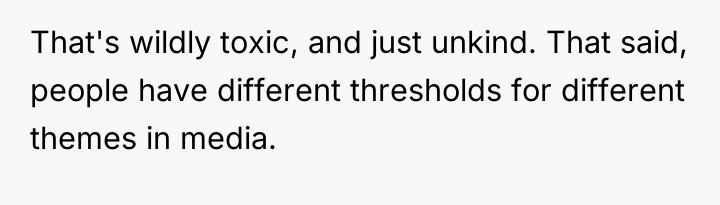
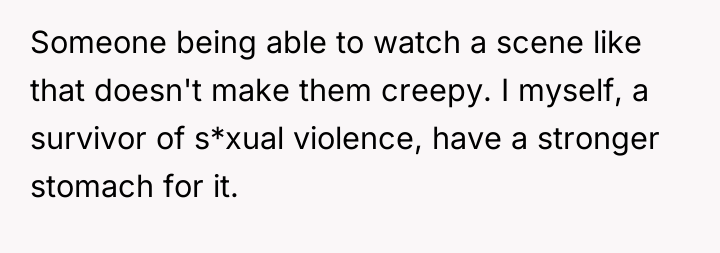


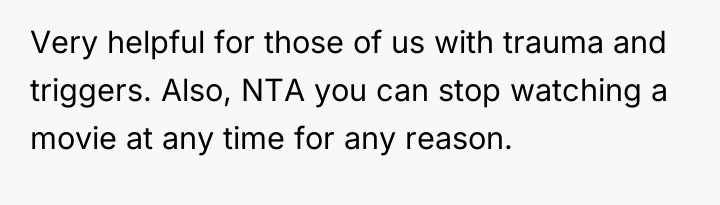

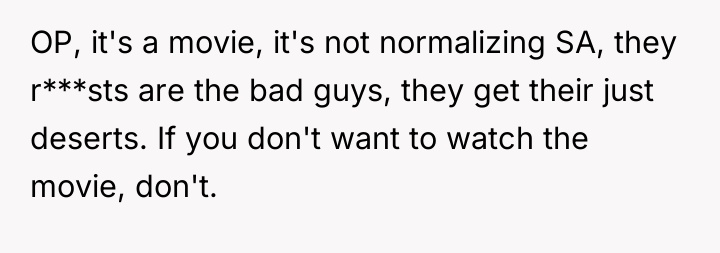

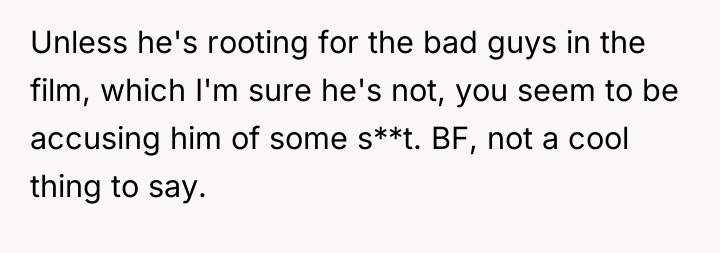
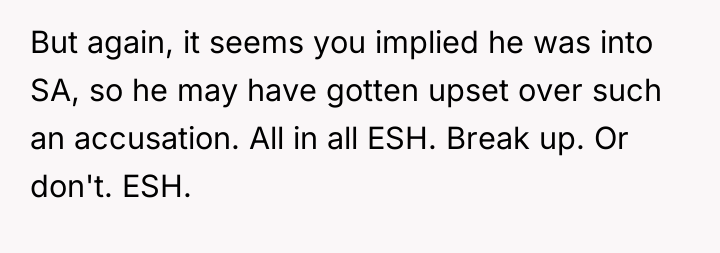

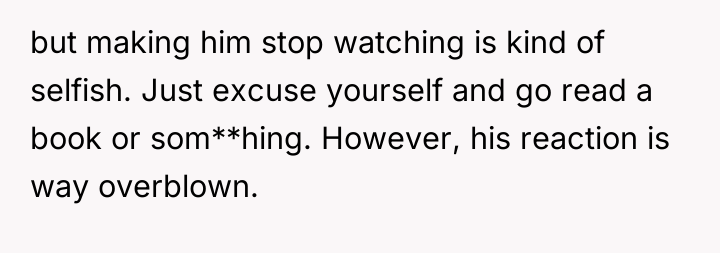
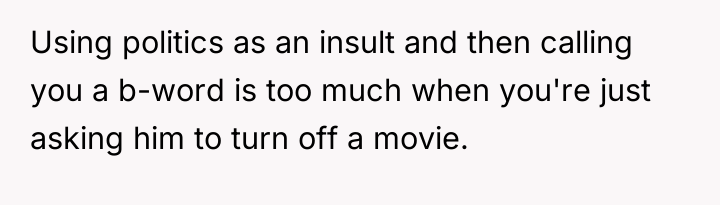
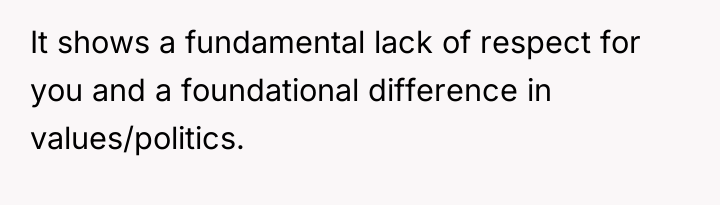
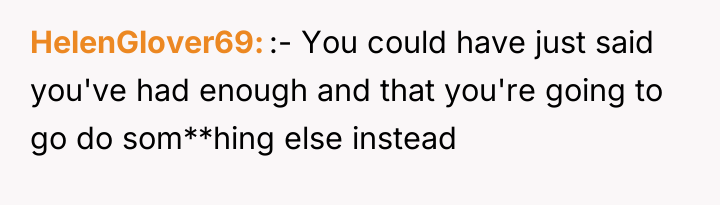

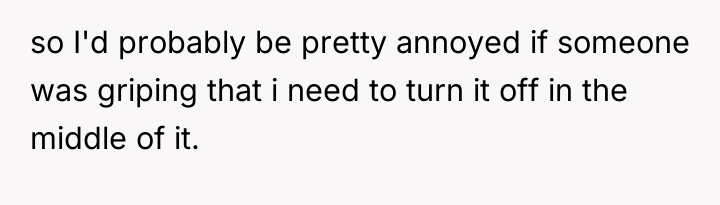




The central conflict revolves around the difference in comfort levels regarding exposure to intense and explicit themes of sexual violence within entertainment. The original poster prioritized her immediate emotional well-being and desire to stop watching disturbing content, while her boyfriend prioritized finishing the movie and dismissed her feelings as being overly sensitive.
The question remains whether the OP was justified in demanding the movie be turned off due to the content making her uncomfortable, or if the boyfriend was within his rights to refuse to stop watching media he deemed acceptable, thereby leading to the argument. How should partners balance individual boundaries in shared leisure activities when content triggers significant distress?
Trending This Week
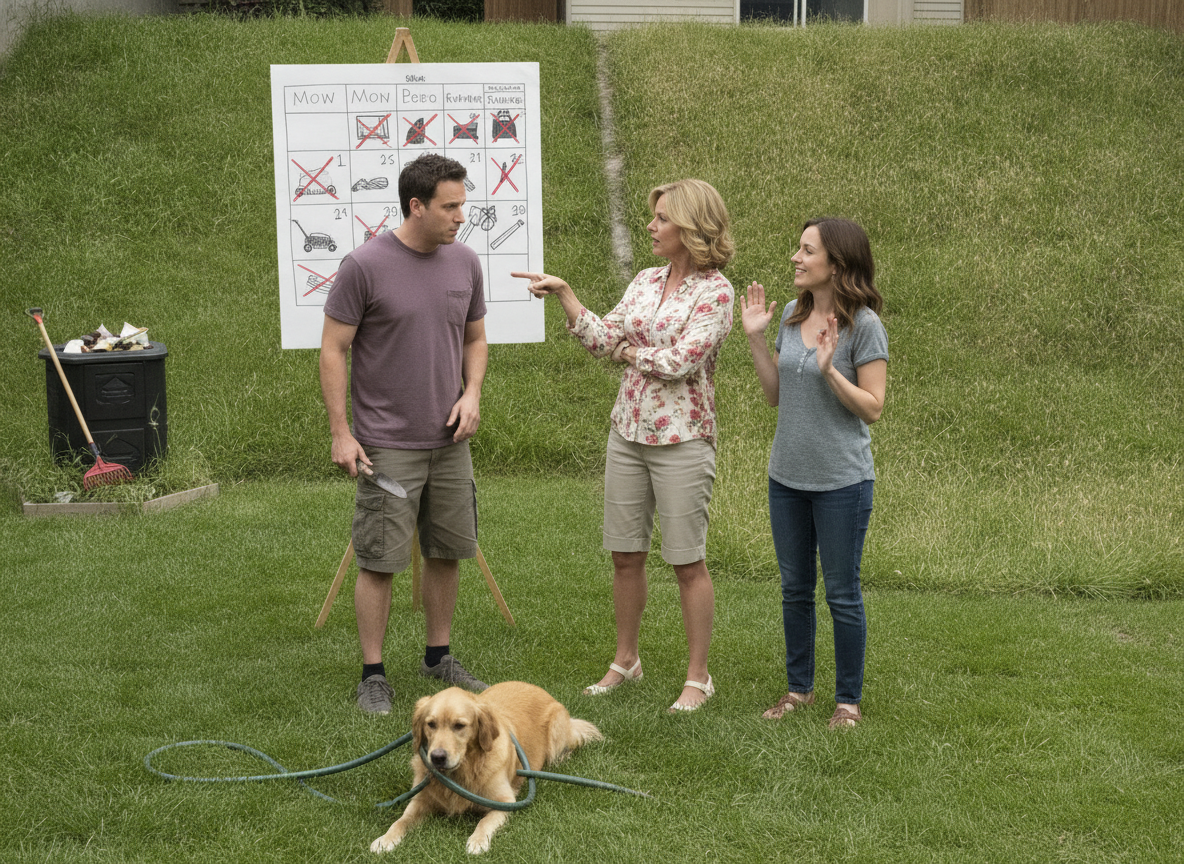
WIBTA to insist my neighbor keep a yard schedule?
For background I have a severely reactive rescue dog. She's terrified of other dogs and freaks out majorly when she sees them or hears them. My partner and I have been working with our vet and a behavioral trainer and we've made some progress, but my dog is still not truly comfortable anywhere but her own yard. A new lady just moved in next door, and she has two big dogs. They seem like nice dogs, they are quiet and she works with them a lot. The problem is that she works from home full time, and her dogs are always outside. She doesn't leave them there for hours or anything, but I never know when she's going to let them out or for how long. She also spends a lot of time out there with them after work and on weekends. To be fair to her, she trains them and she doesn't let them run up on the fence, and if they do bark, she makes them go inside. They're still out on the other side of the fence though and my dog is now scared and reacting in her own backyard. When my dog starts carrying on, she is the one who has to go inside. She already can't enjoy walks and now she can't even enjoy being outside. I asked my neighbor if she'd consider a schedule for the dogs so that my dog can enjoy her yard too without the neighbor's dogs freaking her out on the other side of the fence. She was polite about it but said no, she bought the house with the yard for her dogs, and they use it. She said she'd be glad to tell me when she's leaving with them for a period of hours, but otherwise she's not going to change what she's doing day to day. So nothing changed and her dogs get plenty of outdoor time and mine gets none except for the stray times when she takes one of her dogs to a training class or takes both of them for a hike. I'm really upset and want to insist that we adopt a schedule so that my dog can have some outside time too. My dog does not get the same opportunity as her dogs, not even close. Her dogs have free access five days a week, weeknights, and weekends. My dog only gets outside time now when she says she is leaving for a class or a hike. If I let my dog out to sun herself at 10:30 on a Tuesday, sure enough, it won't be five minutes before she's letting her dogs out and then my dog freaks out and has to come in. She is not getting anywhere close to what they are getting. The fence is a privacy fence. My dog freaks out when she can hear and smell the other dogs as well as see them. She can't see these dogs but she knows they're there.
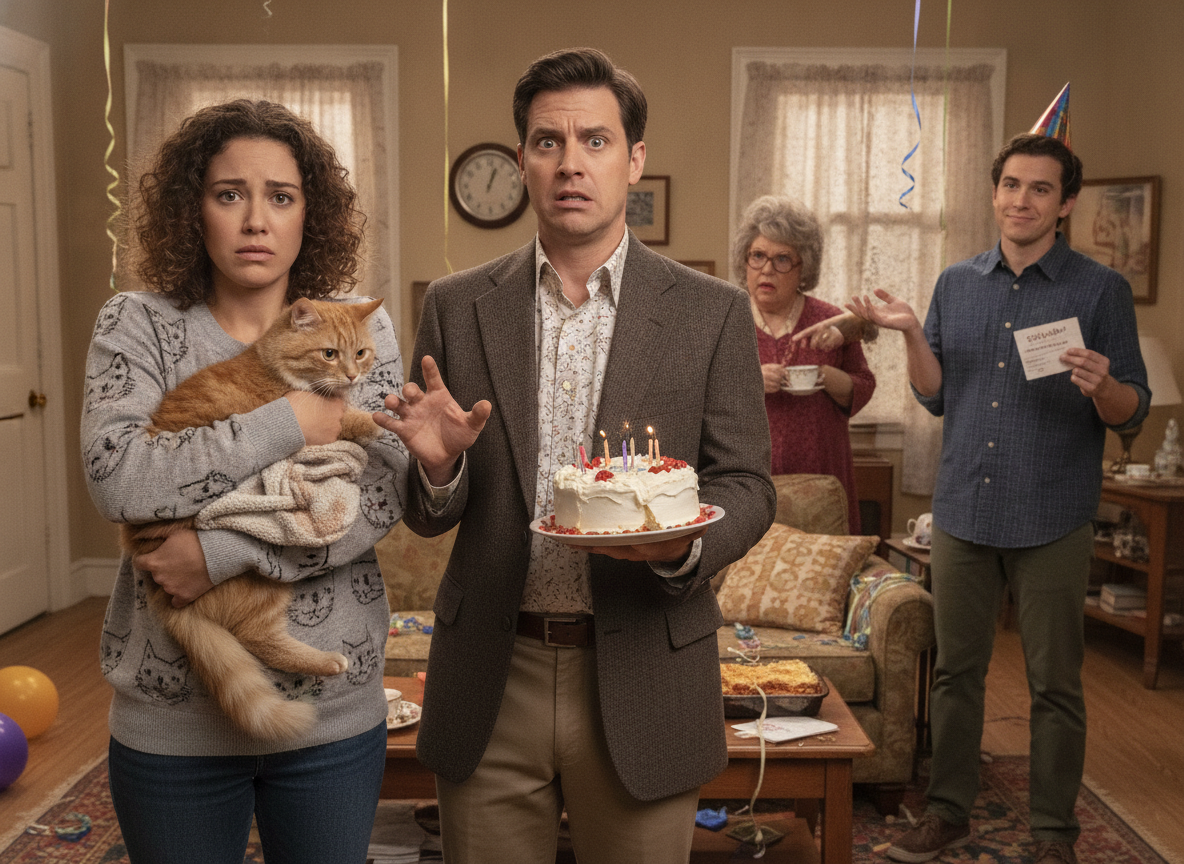
AITA for prioritising my cat over taking my partner out to birthday dinner?
I am dating a man whose birthday was on Monday. We were supposed to go to an expensive birthday dinner because he spent a lot of money on my birthday earlier this year. He earns much more than I do, but I wanted to do what I could. We have been together for two years. On the day before our dinner, I noticed my cat had a painful cyst in her eye that appeared overnight. I drove her two hours to an emergency vet on Sunday. There is a high risk she might lose her eye. Because she was not eating from the pain, I became very worried, canceled the dinner, and stayed home with her. I offered to reschedule and invited my partner to help me care for her. My partner became very angry. He had taken a vacation day to get drunk, and the restaurant had a three-month waiting list. He called me selfish and an asshole because he would miss his favorite seasonal meal. I decided to break up with him. I realized I care about my cat more and would make the same choice again. My cat is still weak and has developed diarrhea, so I am taking her back to the vet.
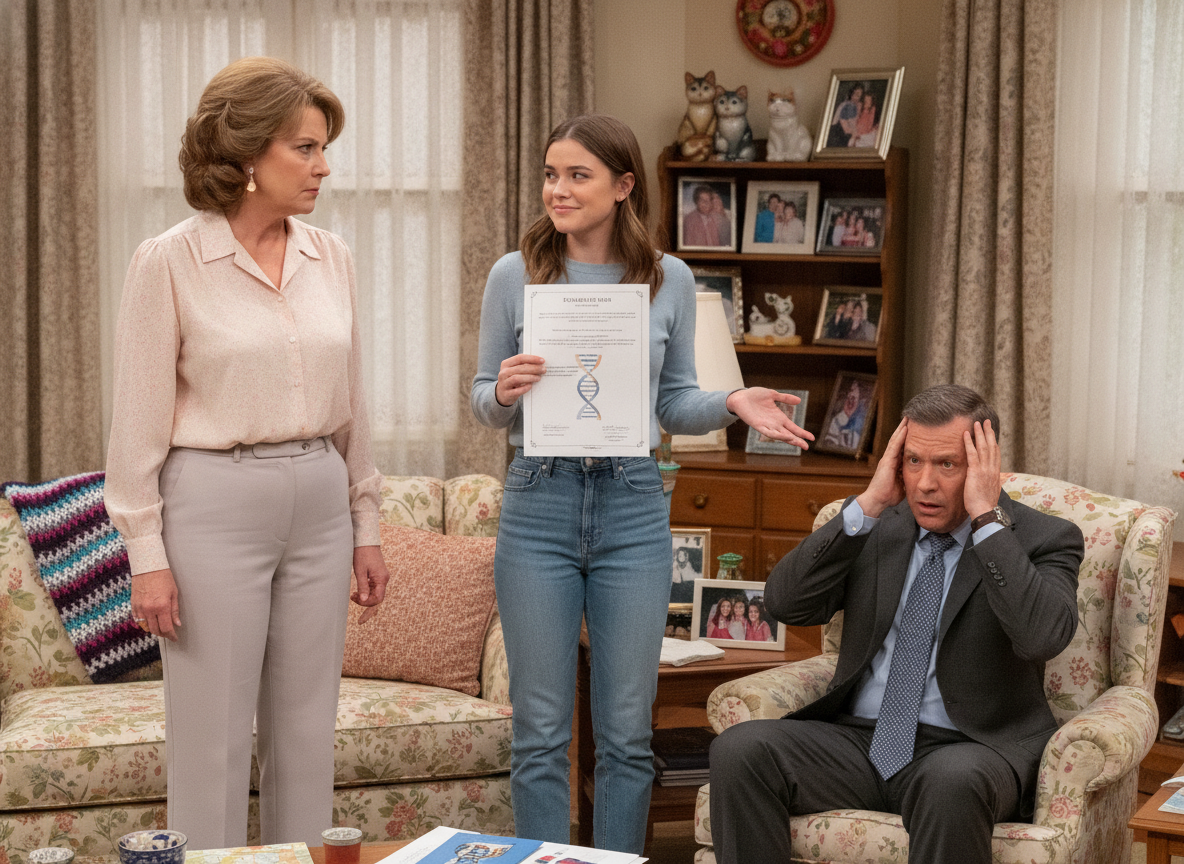
AITAH for getting a dna test to see if i share the same dna as both my parents even though i was demanded specifically by my mom not to do so, since i was a child?
I have always suspected that I might not be biologically related to my parents. Growing up, my mother treated me and my younger brother very differently. I was disciplined more harshly, grounded for longer periods, and subjected to invasive phone searches, while my brother faced few consequences even when he got his girlfriend pregnant at sixteen. My father was mostly passive and uninvolved in my upbringing. Due to the toxic environment, I eventually moved 1,000 miles away with my spouse to find peace. My suspicions are fueled by physical and legal anomalies. I do not share my parents' physical features, such as their freckles or dark brown eyes, and I am the only person in both my immediate and extended family with a completely different last name. Whenever I questioned my mother about my last name, she became defensive and refused to explain. Recently, during a family visit, a card game prompted me to admit to getting a DNA test. My mother reacted with immediate anger and hostility, which caused me to panic and lie that I was joking. Despite promising my mother during my childhood that I would never take a DNA test, my curiosity led me to purchase a kit. My mother's oldest sister recently found a long-lost sister through a DNA test, yet my mother remains strictly opposed to me doing the same. I have sent my kit in and expect the results soon, but I feel immense guilt, as if searching for the truth is a betrayal that could ruin my family relationships.