
Caught A Neighbor Stealing My Garden Veggies And Now She Is Calling Me Toxic
In a quiet neighborhood where familiarity and trust grow like the flowers in their gardens, a man’s sanctuary—a greenhouse filled with tenderly nurtured vegetables—becomes the unexpected stage for confrontation. What was meant to be a peaceful day turns tense as a stranger, cloaked in desperation, crosses boundaries, stealing not just produce but also the fragile sense of security that binds the community together.
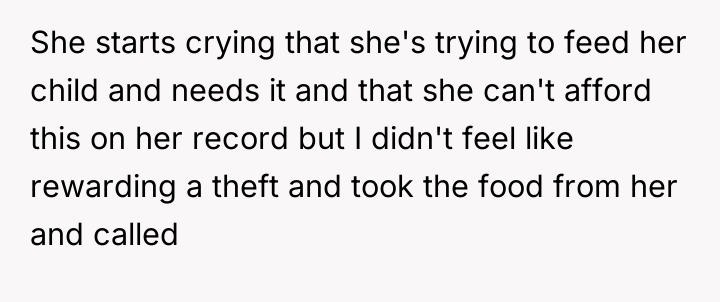
Caught between anger and empathy, the man faces the painful reality of hardship beyond his fence. The woman’s tearful plea to feed her child shatters the calm facade, revealing the raw and complicated human struggles lurking beneath the surface of everyday life. In that moment, the neighborhood’s quiet harmony is challenged by the harsh truths of survival and trust.
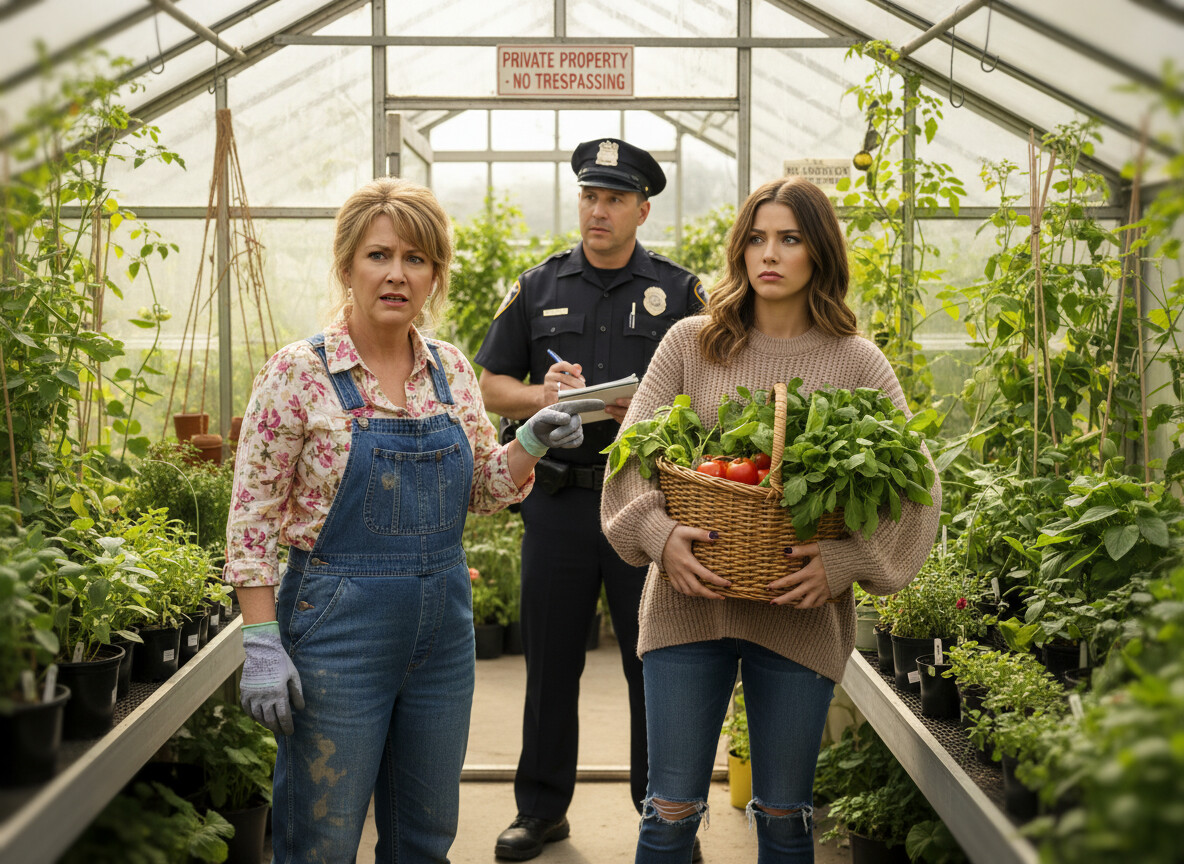
As renowned ethicist and legal scholar Dr. Deborah Rhode explains, “Property rights are fundamental, but their enforcement often involves balancing individual interests against the broader social responsibilities associated with community well-being and equity.”
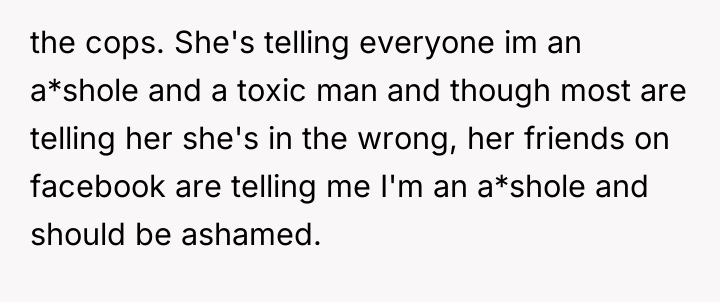
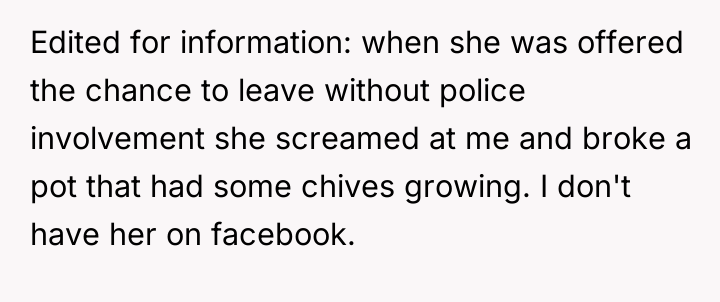
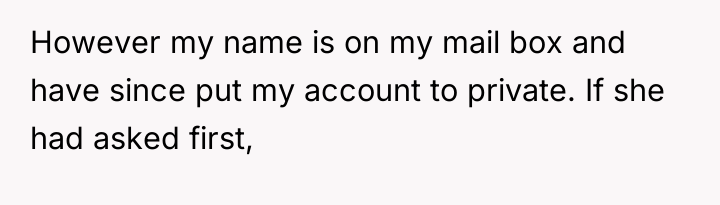
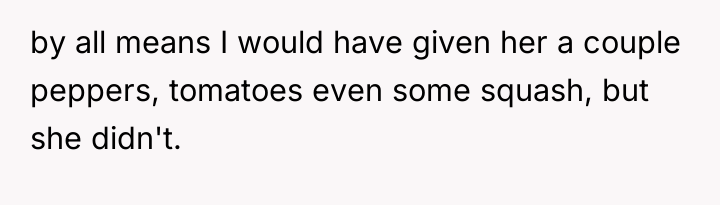
The situation involves a direct violation of property rights. The OP was monitoring his property, which is a standard action, and upon discovering unauthorized individuals harvesting his crops, his reaction was to assert ownership. The neighbor's initial actions—entering a fenced area, taking produce without permission, and lying about knowing the owner—constitute theft and trespassing. The neighbor’s subsequent emotional display and public labeling of the OP as an "asshole" is a common tactic known as deflection, shifting the focus from her culpability to the OP's perceived harshness. The OP's decision to call the police, especially after the neighbor became aggressive (breaking the chive pot) and refused to simply leave without the stolen goods, aligns with the legal framework for protecting private assets.
From a professional standpoint, the OP's initial firm stance was appropriate given the clear breach of trust and property. However, for future neighborhood harmony, a more effective strategy upon discovering the initial theft might have involved documenting the incident (photos/video) and then immediately calling the non-emergency police line or community mediation services, rather than engaging in a prolonged, escalated verbal confrontation. While the OP was within his rights, minimizing direct, high-emotion engagement is often beneficial in tight-knit communities.
AFTER THIS STORY DROPPED, REDDIT WENT INTO MELTDOWN MODE – CHECK OUT WHAT PEOPLE SAID.:
The community had thoughts — lots of them. From tough love to thoughtful advice, the comment section didn’t disappoint.

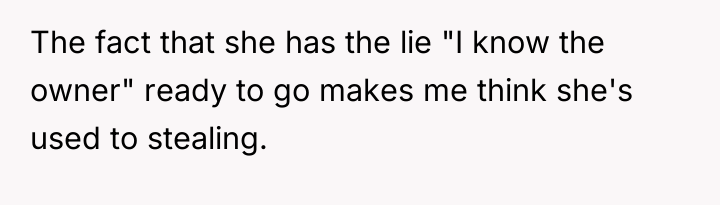
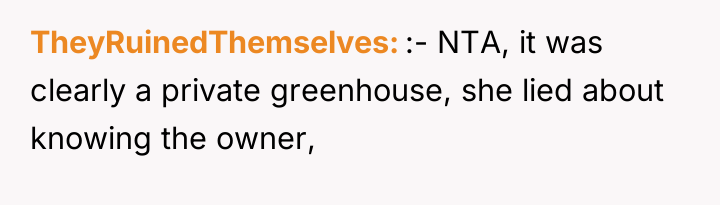
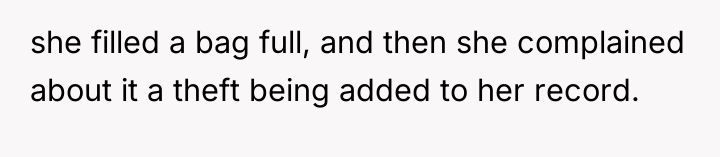
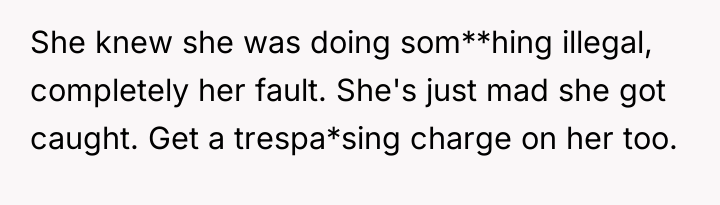
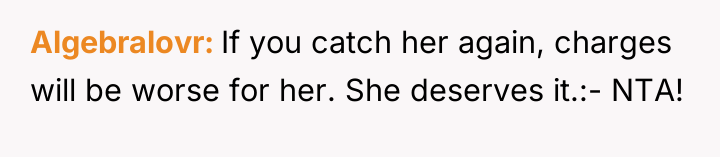

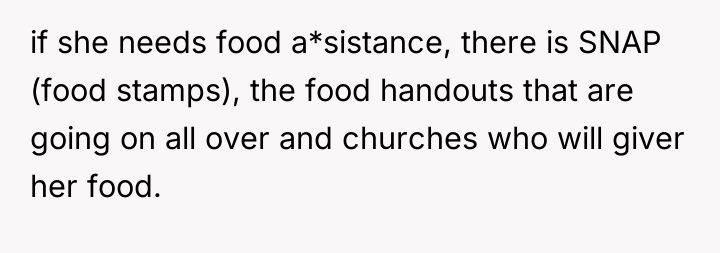
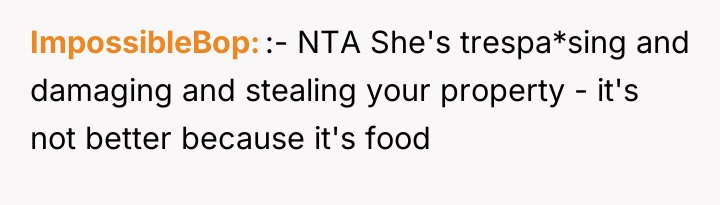
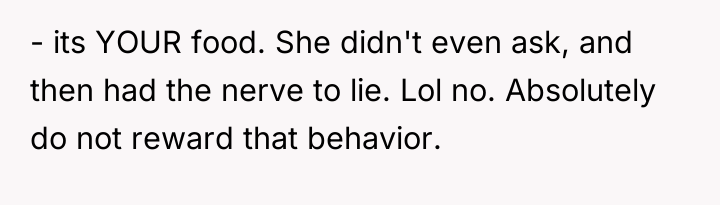
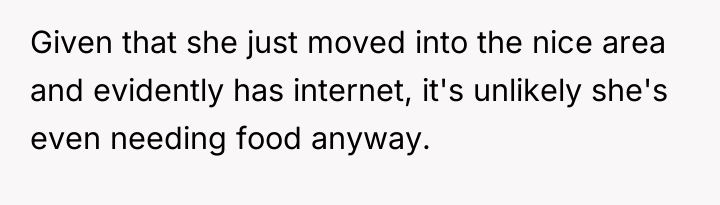
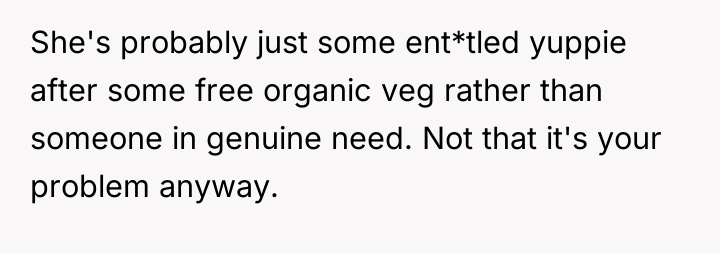
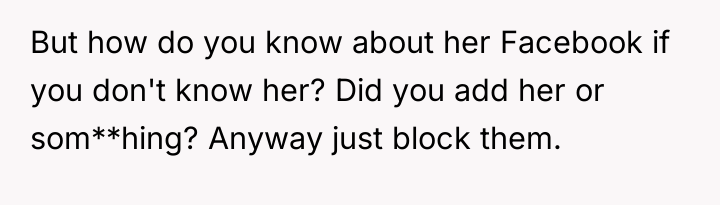
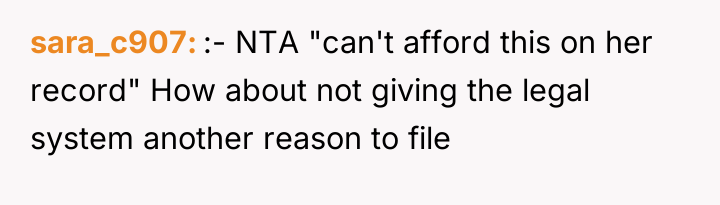
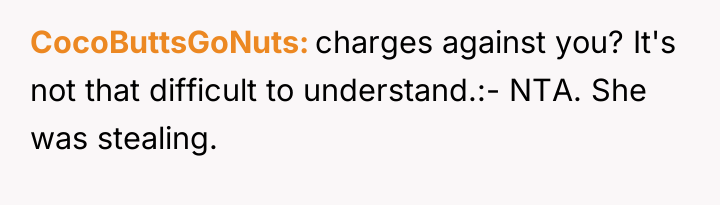
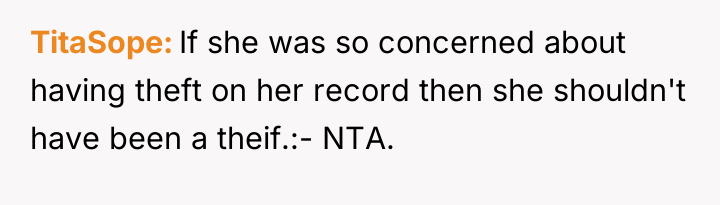
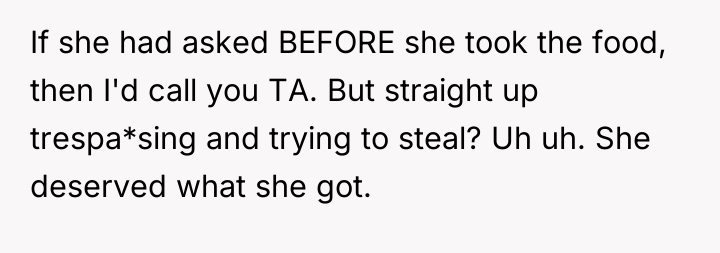

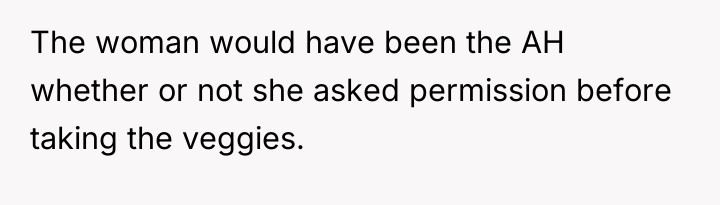
The original poster (OP) acted decisively to protect his private property after witnessing a clear act of theft, leading to a confrontation where the neighbor claimed distress and subsequently sought to discredit the OP publicly. The central conflict lies between the OP's adherence to property rights and the neighbor's perceived need, which she attempted to meet through unauthorized entry and taking produce.
Was the OP justified in immediately escalating the situation to involve law enforcement over the theft of garden produce, or did the neighbor's claim of urgent need for food warrant a more lenient, non-legal response from the OP, even after the attempted deception?