
AITA for not letting a friend use my umbrella in a Japanese downpour?
In a foreign land where rain doesn’t just fall but drenches completely, a group of friends set out on a sightseeing adventure, armed only with their familiar English resolve to ignore the weather. Yet, the relentless downpour of Japan’s rain challenged their expectations, turning a simple walk into a test of foresight and self-reliance.
Amidst the storm, one friend’s stubbornness met the unwavering boundary of a promise: no umbrella sharing. As the rain poured harder, the cold truth of their choices unfolded, leaving them soaked and humbled, a poignant reminder that sometimes, foresight and trust are the only shelter in unfamiliar skies.

Subscribe to Our Newsletter
As renowned researcher Dr. Brené Brown explains, “Boundaries are the distance at which I can love you and me simultaneously.” This situation highlights a classic tension between setting clear personal limits (the OP's decision not to share) and navigating the expectations of interpersonal relationships (the friends' expectation of support). The OP acted in alignment with setting a firm boundary, having communicated it multiple times, suggesting they were attempting to manage their own resources and expectations proactively.
However, context matters significantly. While the OP's advance warning allowed friends to prepare, refusing to share an umbrella that could easily fit two people, even under heavy rain, shifts the dynamic from boundary enforcement to potential relational abandonment. The friends' initial reluctance to purchase umbrellas suggests either underestimation or perhaps a subtle expectation that the OP would inevitably share, which is a common, though sometimes unfair, social dynamic. The OP’s rigidity in this specific, high-impact moment (being completely soaked vs. slightly crowded) suggests a lower tolerance for flexibility in their established rules.
The OP's actions were appropriate in establishing a boundary, but the execution lacked relational flexibility. For future situations, a constructive recommendation would be to establish boundaries around resource sharing, but allow for exceptions based on severity of need. A more effective approach might involve stating, "I need to keep this umbrella mainly for myself due to my own needs, but let's see if we can huddle for short bursts until we reach shelter," rather than an absolute 'no' when a friend is facing significant discomfort.
AFTER THIS STORY DROPPED, REDDIT WENT INTO MELTDOWN MODE – CHECK OUT WHAT PEOPLE SAID.:
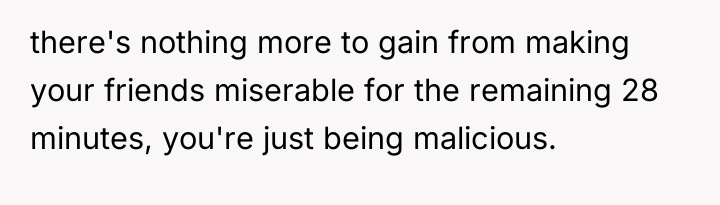
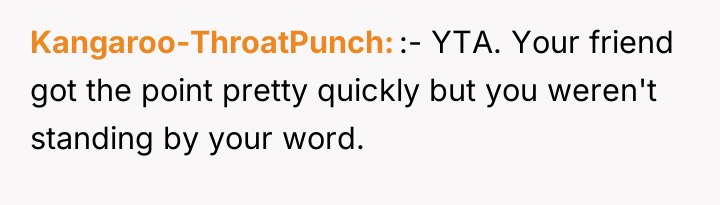
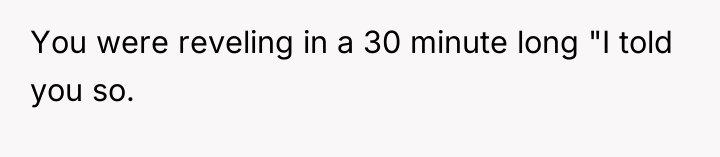
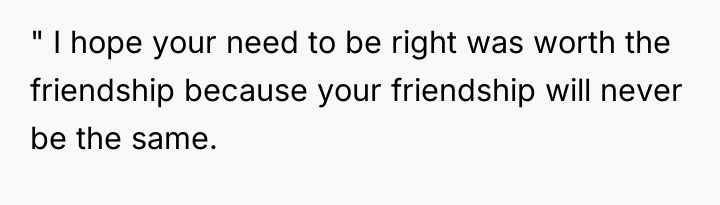
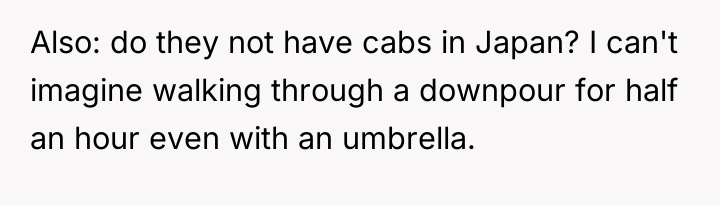
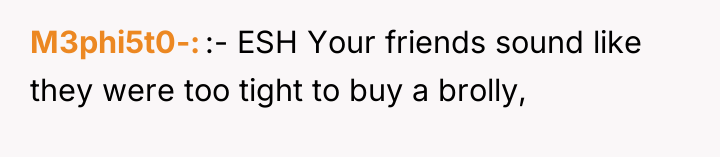
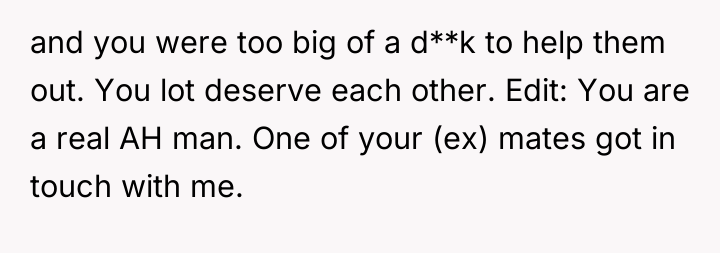
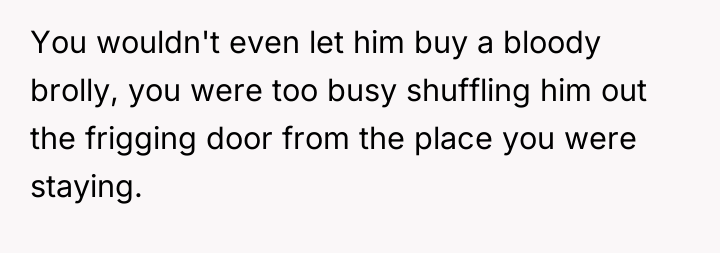
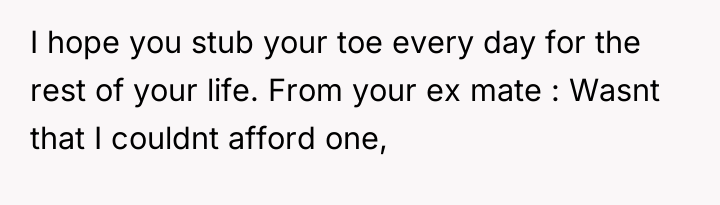
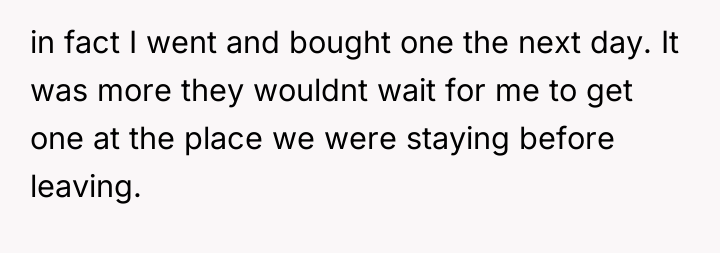
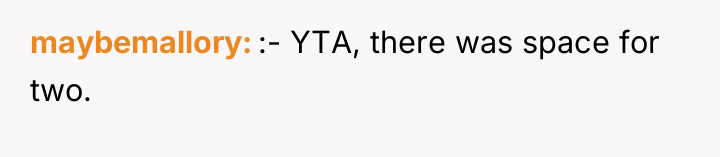
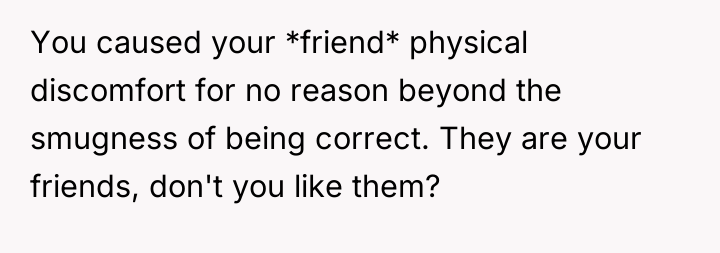
When users weighed in, they held nothing back. It’s a raw, honest look at what people really think.

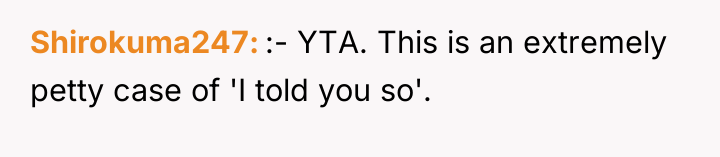
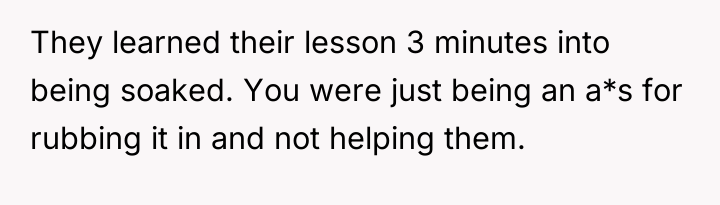
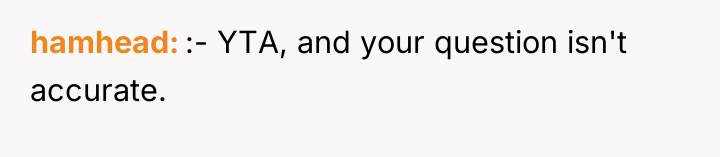
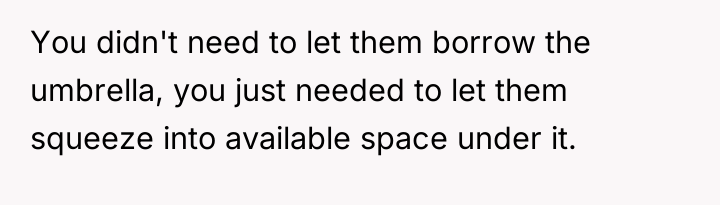
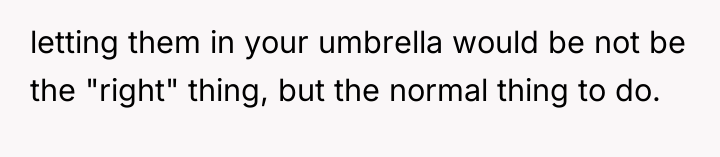
The original poster (OP) faced a situation where they prioritized adhering to their stated personal boundaries regarding sharing their umbrella, despite their friends getting soaked in heavy rain. The central conflict lies between the OP's commitment to their pre-established rule—which they communicated repeatedly—and the social expectation, particularly in a group setting, to offer assistance or share resources when a friend is in obvious distress.
Was the OP justified in upholding their stated personal boundary, even when it resulted in a friend being completely soaked, or should considerations of friendship and immediate need have superseded the prior agreement not to share the umbrella? The debate centers on the primacy of personal boundaries versus situational empathy and collective care in friendships.