
Husband Told Our Family He Hopes Our Baby Doesn't Look Like Me and Called Me A Baby
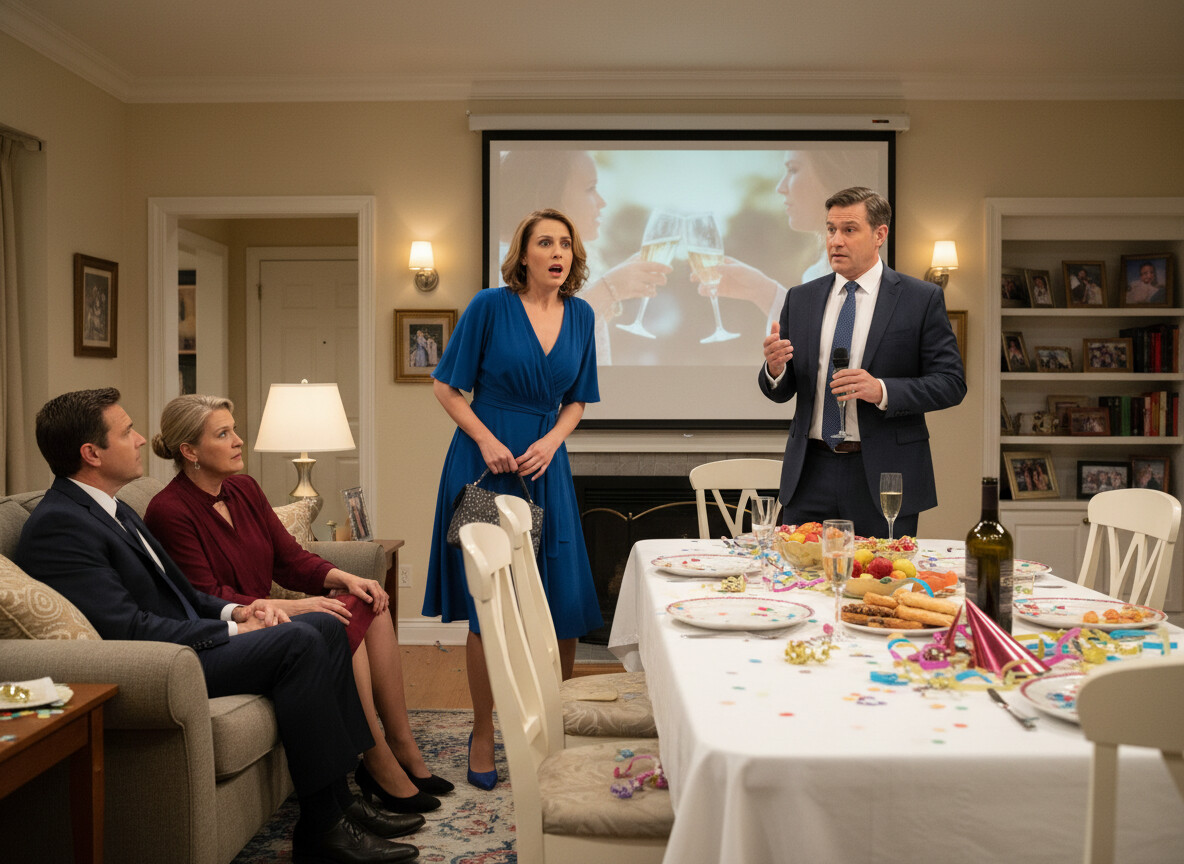
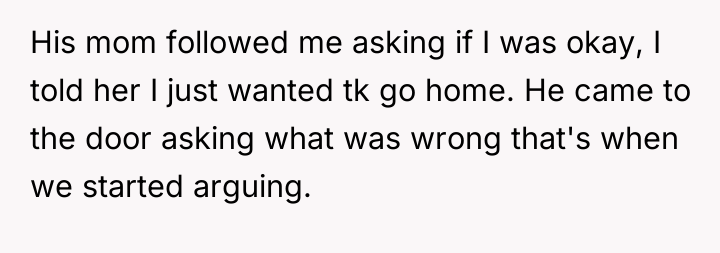
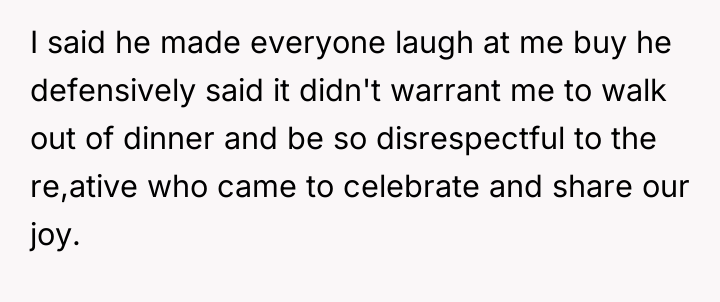
She had dreamed of this moment for years—the joy of sharing the news of their first child with family. But as she entered the crowded room filled with strangers and forced smiles, her heart sank under the weight of unexpected anxiety and dread. The celebration, meant to be a moment of love and unity, quickly twisted into a night of humiliation and betrayal.
When his toast landed like a cruel joke, mocking their unborn daughter, the laughter around the table felt like knives piercing her soul. His callous words shattered the fragile calm she was trying to maintain, igniting a fire of rage and heartbreak. In that instant, she knew she had to walk away—not just from the dinner, but from the man she thought she could trust.
As renowned researcher Dr. Brené Brown explains, “Boundaries are the distance at which I can love you and me simultaneously.”
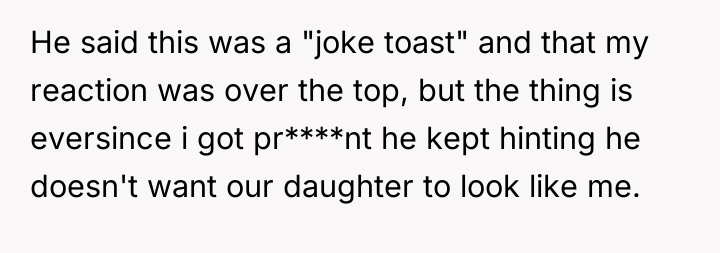
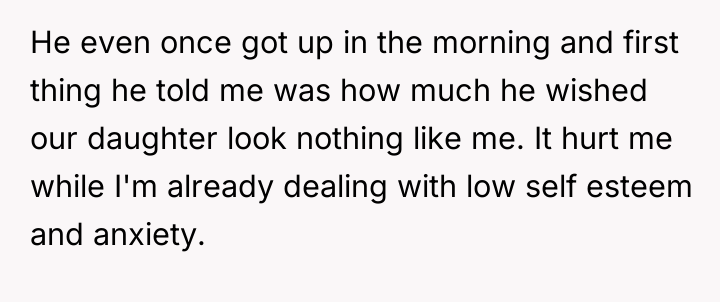
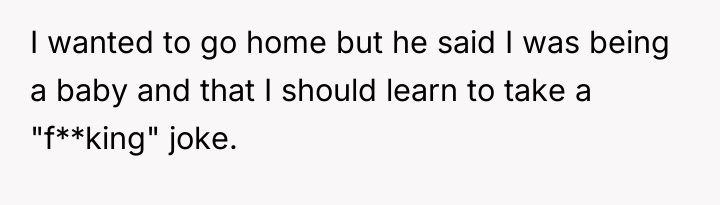
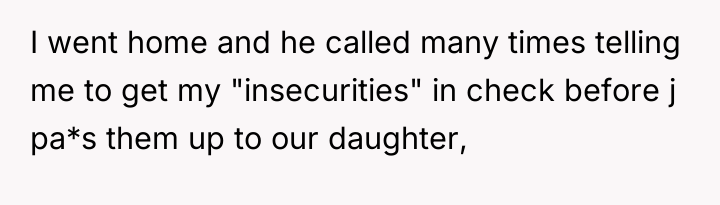
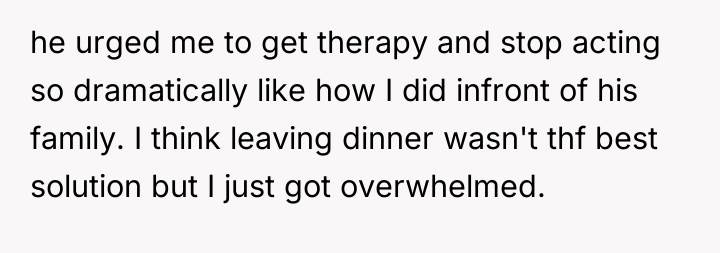
The core issue here is a severe breach of emotional safety and respect, masked as humor. The husband’s repeated comments about not wanting their daughter to resemble his wife, culminating in a public toast, demonstrate a fundamental lack of regard for her self-worth, which is already compromised by anxiety and low self-esteem during pregnancy. While the wife admits leaving abruptly was perhaps not the ideal conflict resolution strategy, her reaction was a survival mechanism when feeling publicly attacked. The husband's response—labeling her reaction as 'over the top,' a 'joke,' and insisting she check her 'insecurities'—is a form of gaslighting. He avoids accountability for the harmful content of his statement by pathologizing her valid emotional response, shifting the focus entirely onto her instability rather than his hurtful behavior.
From an objective standpoint, the husband was entirely inappropriate. A toast celebrating a new life should be unifying; his was divisive and deeply critical of his partner. While the wife could have perhaps handled the immediate departure more strategically (e.g., stepping aside privately first), her action was a direct consequence of feeling trapped and invalidated. Moving forward, the wife needs to establish firm, non-negotiable boundaries regarding hurtful comments, preferably with professional support. The husband requires intensive couples counseling focused on empathy, respectful communication, and understanding the long-term damage caused by subtle, repeated emotional invalidation, especially during a vulnerable period like pregnancy.
THIS STORY SHOOK THE INTERNET – AND REDDITORS DIDN’T HOLD BACK.:
The internet jumped in fast, delivering everything from kind advice to cold truth. It’s a mix of empathy, outrage, and no-nonsense takes.

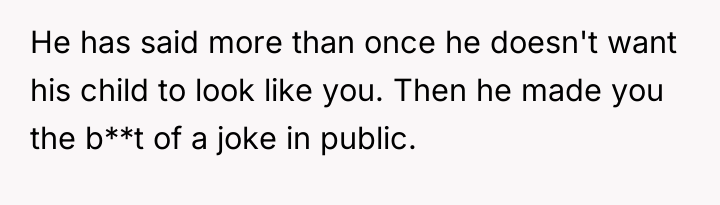
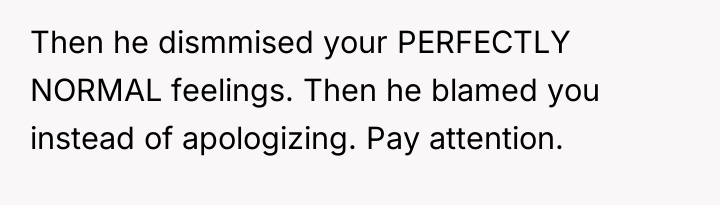

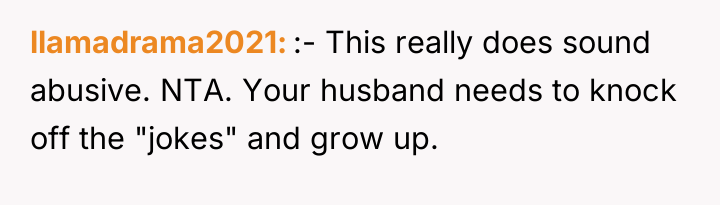
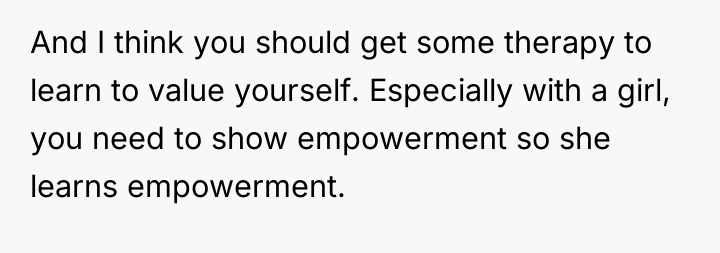
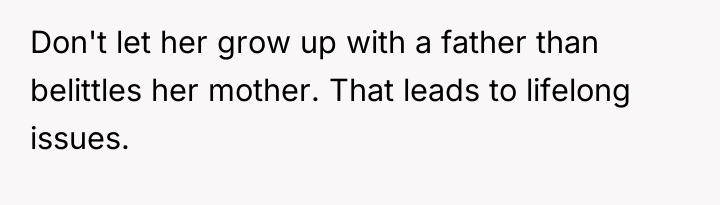

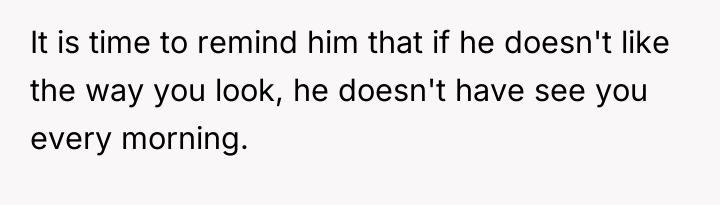
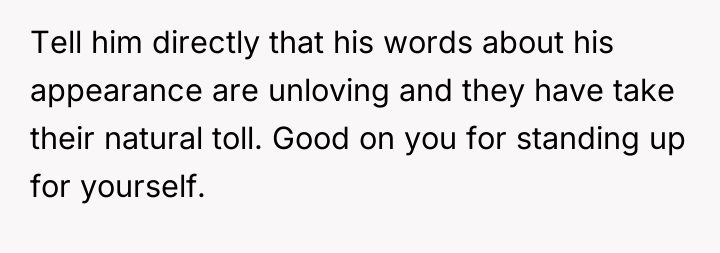


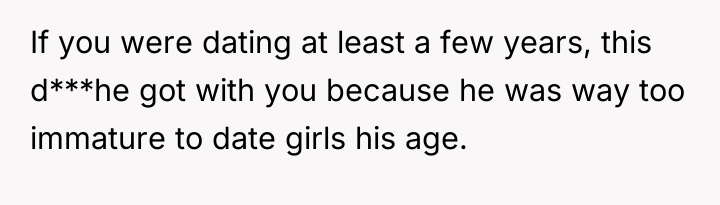
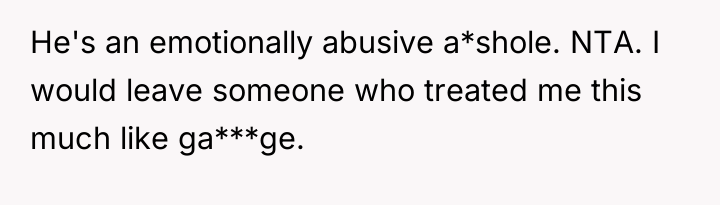
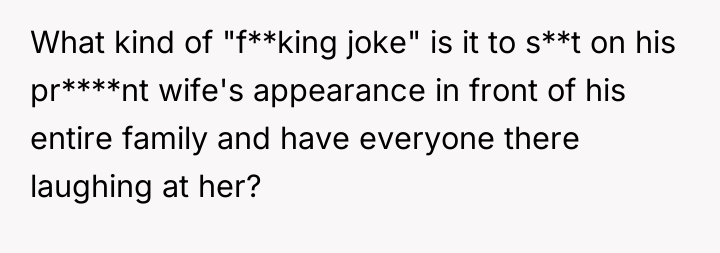

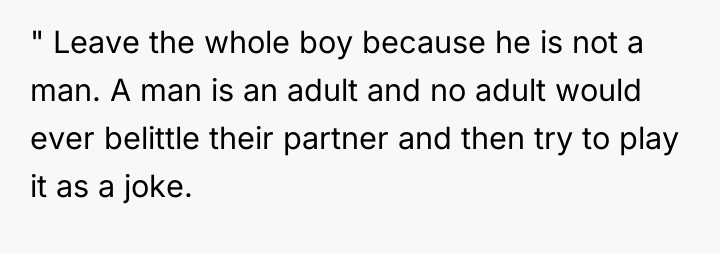

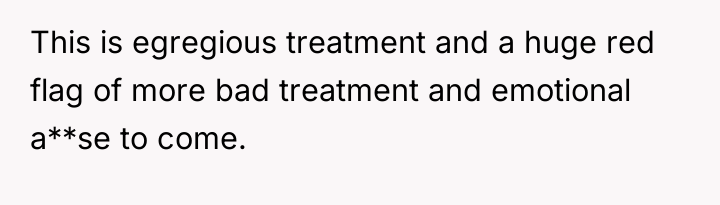
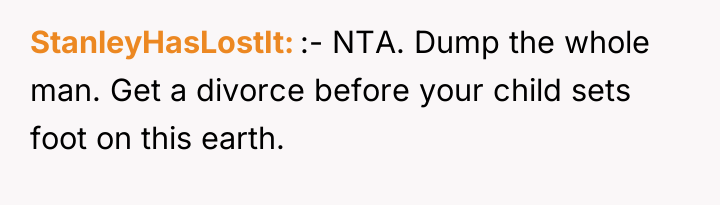

The wife felt deeply hurt and disrespected by her husband's public toast wishing their unborn daughter would not resemble her, especially given her existing struggles with anxiety and low self-esteem. Her immediate reaction was to leave the event due to overwhelming emotional distress caused by the toast and her husband's dismissive reaction to her feelings afterward, creating a significant conflict between her need for validation and his expectation that she should tolerate the comment as a mere joke.
Was the wife's decision to leave the family celebration immediately justified as a necessary response to profound emotional pain and disrespect, or did this action unfairly disrupt a significant family event and warrant the husband's criticism regarding her public conduct? This situation forces a debate on balancing personal emotional boundaries against social obligations in sensitive family settings.