
My wife goes on date nights with our neighbor and refuses to let him pay me for babysitting
In a quiet suburban neighborhood, a family’s delicate balance is quietly shifting. A husband, wary of fear yet devoted to his daughter, watches from the sidelines as his wife finds a kindred spirit in their enigmatic neighbor, Walter—a single father whose shared passion for obscure horror films ignites a bond that feels both thrilling and unsettling.
While the wife and neighbor dive deep into shadowy cinematic worlds, the husband remains the steadfast guardian of their daughter, caught between protecting his family and confronting the strange new connection growing next door. Beneath the surface of these ordinary evenings lies a tension, a silent question of what happens when fears and fascinations collide in the most unexpected ways.









Subscribe to Our Newsletter
As renowned psychologist and researcher Dr. John Gottman explains, “The single most important thing I can tell you about a successful marriage is that the couple must be friends.” While friendship is vital, this situation highlights the tension between individual needs, marital equity, and extended social obligations. The OP's wife has found a fulfilling social outlet (scary movies) with Walter, which temporarily fills a gap in her social life. However, this arrangement has created a significant, unpaid emotional and physical labor imbalance for the OP, who is relegated to a constant caregiving role.
Walter’s offer to pay the OP is an attempt to formalize and compensate for the extra burden, which is a practical solution to an equity problem. The OP’s willingness to accept this acknowledges that his time and effort have tangible value, shifting the interaction from a casual favor to a transactional exchange of services. The wife’s opposition to payment suggests an unspoken expectation rooted in reciprocity within their social circle—that looking after a close friend’s children should be an act of goodwill, not a paid job. Her anger likely stems from feeling that accepting payment devalues their friendship with Walter or potentially implies she is taking advantage of the OP.
The OP’s actions of staying home and babysitting were initially accommodating, but the consistency turned this accommodation into an unfair expectation placed upon him. The OP was appropriate in raising the issue of burnout. A constructive recommendation is for the couple to move away from transactional solutions (payment) or rigid refusal (no payment) and instead focus on achieving *equity* in shared domestic and social duties. They need a structured discussion where the OP clearly defines his boundaries regarding free time and childcare labor, ensuring that the wife’s enjoyment of her hobby does not continuously cost the OP his personal time.
THIS STORY SHOOK THE INTERNET – AND REDDITORS DIDN’T HOLD BACK.:
Users didn’t stay quiet — they showed up in full force, mixing support with sharp criticism. From calling out bad behavior to offering real talk, the comments lit up fast.

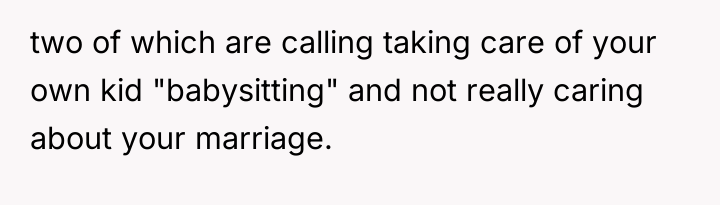


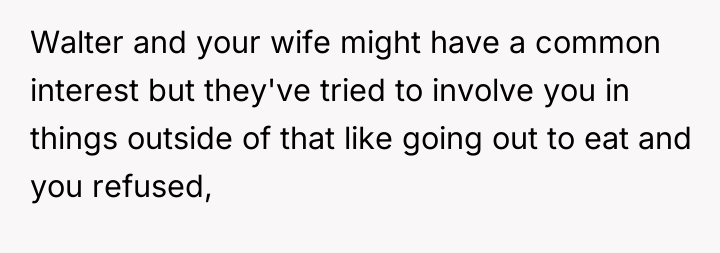

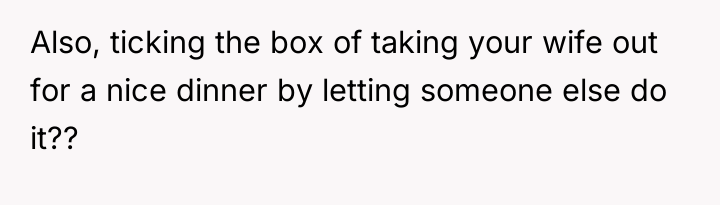
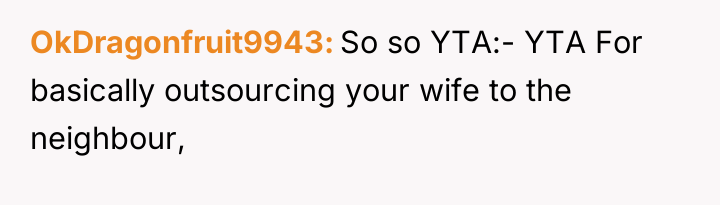
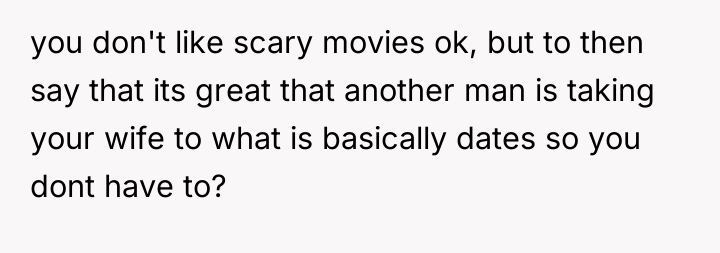
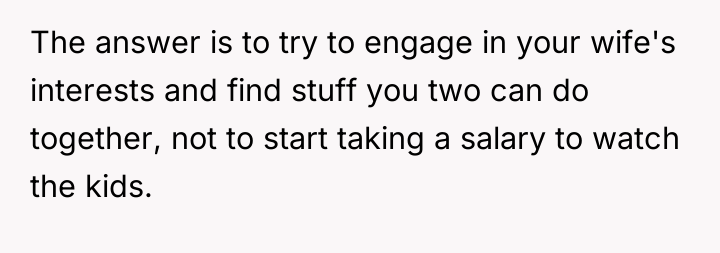



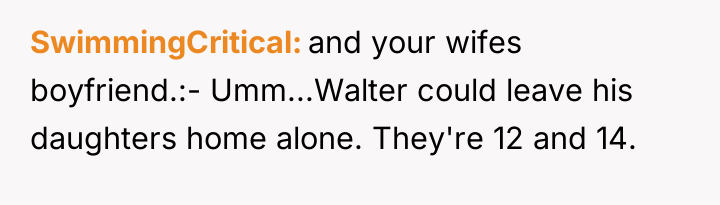
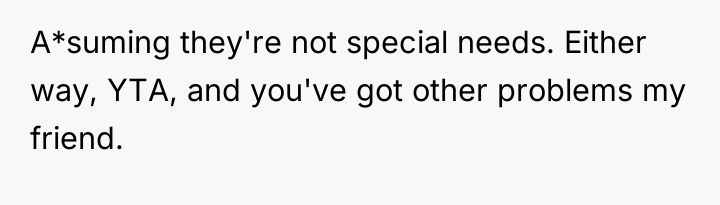
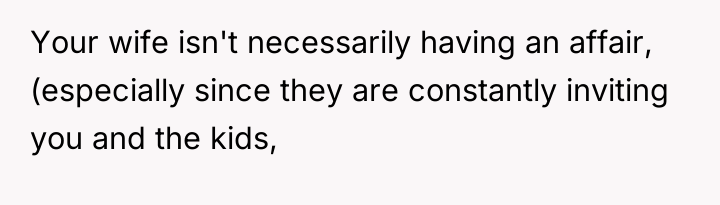
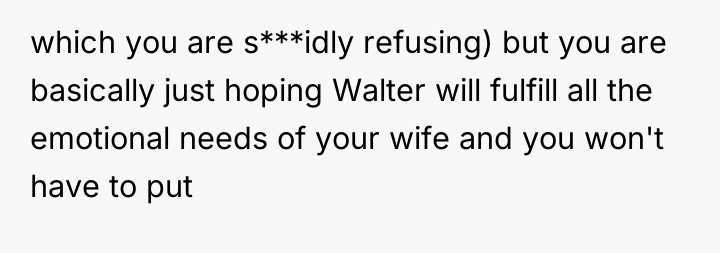
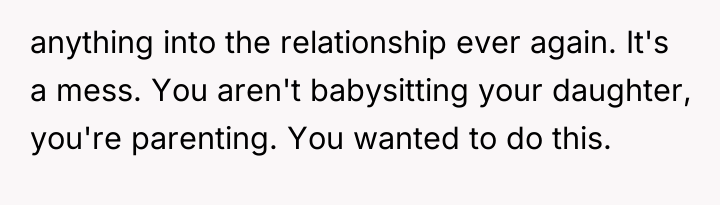
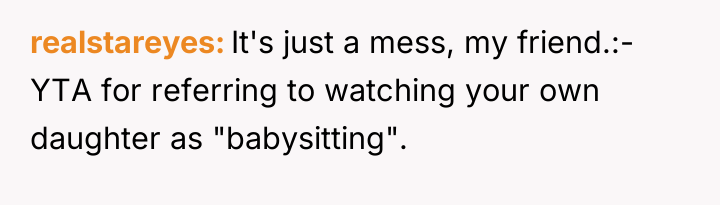
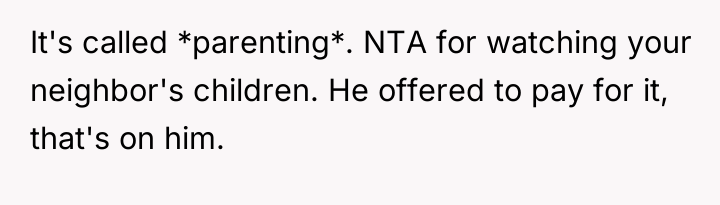

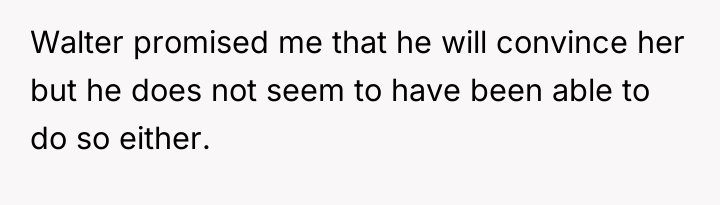
The original poster (OP) is experiencing distress due to the perceived imbalance of responsibilities, specifically feeling overwhelmed by consistently babysitting his neighbor's children while his wife pursues shared niche interests with the neighbor. The central conflict arises from the OP accepting financial compensation for this extra childcare effort, which his wife strongly opposes based on principles of familial expectation and friendship etiquette.
Is the OP justified in feeling resentment over the constant childcare burden when his wife benefits from shared social outings, and should he accept payment for looking after the neighbor's children, or is his wife correct that this care should be offered freely as part of neighborly support?