
WIBTA if I ended my friendship with my best friend who is gay?
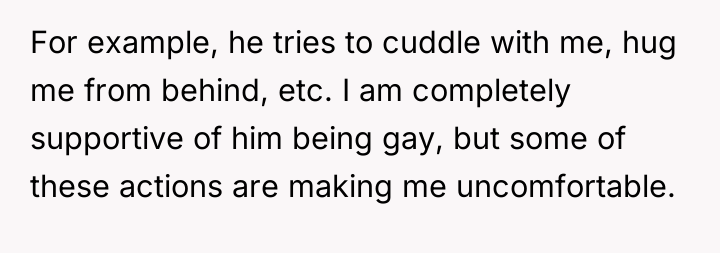
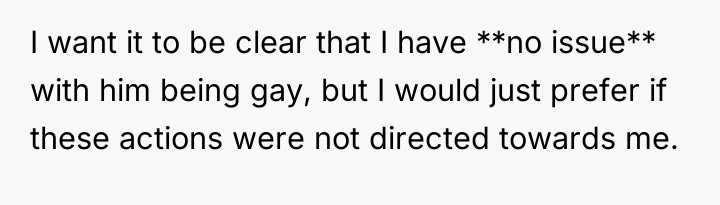
In the quiet depths of a six-year friendship, a sudden revelation stirs a storm of emotions. When John came out, what was once simple camaraderie began to blur, leaving the other struggling to balance unwavering support with an unsettling new dynamic. Affectionate gestures once brushed off now carve a growing discomfort, exposing the fragile line between love and boundaries.
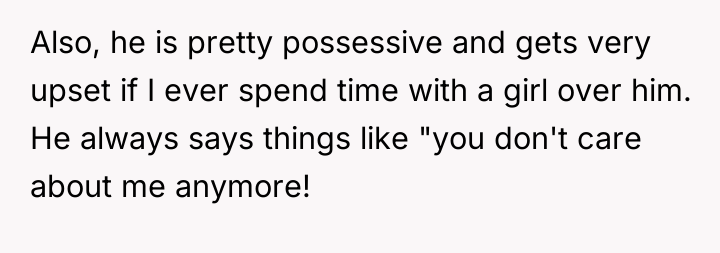
As possessiveness seeps into their bond, every choice outside John's shadow ignites jealousy and doubt. The weight of unspoken feelings hangs heavy, transforming moments of closeness into battles for reassurance. In this tender, tangled web, the struggle to maintain friendship becomes a raw, exhausting fight for respect and understanding.




Subscribe to Our Newsletter
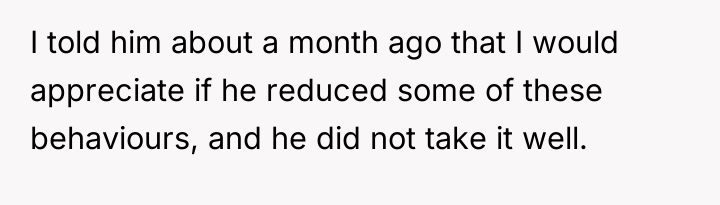
As renowned relationship expert Dr. Harriet Lerner explains, “The quality of a relationship is determined by the quality of its boundaries.” In this scenario, the OP has clearly communicated a boundary regarding physical contact and possessive demands, but John is actively disregarding it. This disregard is not necessarily malicious, but it demonstrates a failure to prioritize the OP's comfort over John's own needs for closeness or validation.
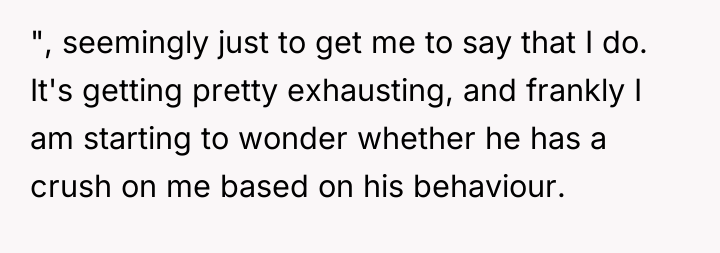
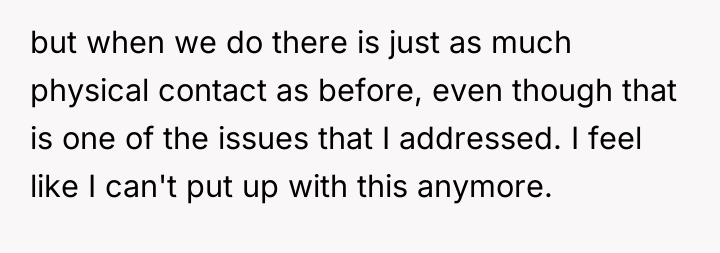
John's behavior—the clinging physical contact, the possessiveness regarding other friendships, and the use of guilt-inducing phrases like "you don't care about me anymore!"—suggests a high level of emotional dependency or potentially an unacknowledged romantic attachment, as the OP suspects. Regardless of the underlying motivation (crush, fear of abandonment, or difficulty adjusting to new relationship dynamics post-coming out), the behavior is emotionally burdensome for the OP. When a boundary is set and then immediately violated upon the next interaction, the person setting the boundary is being put in a position of constantly having to police the relationship, which leads to burnout.
The OP's feeling that they "can't put up with this anymore" is a valid response to sustained emotional labor and boundary violations. While ending a long-term friendship is a severe step, if John cannot respect a direct request to modify behavior that causes discomfort, the friendship is fundamentally unhealthy for the OP. The constructive recommendation is to issue one final, firm boundary statement emphasizing that continued physical contact or emotional manipulation will result in necessary distance, perhaps starting with a temporary break rather than an immediate, permanent end, to give John a final chance to respect the established limit.
REDDIT USERS WERE STUNNED – YOU WON’T BELIEVE SOME OF THESE REACTIONS.:
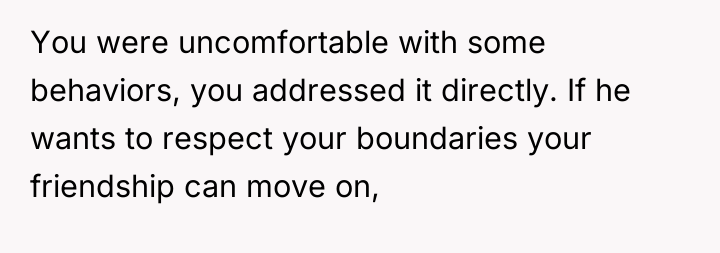
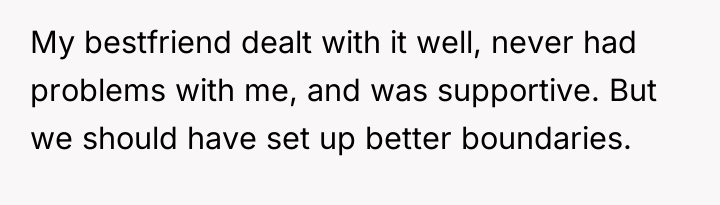
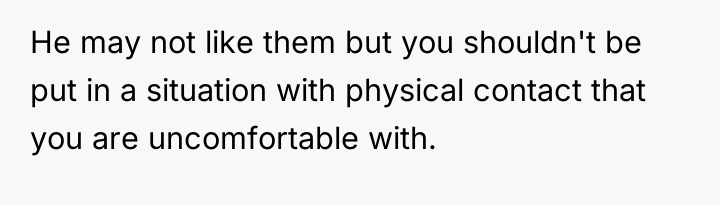
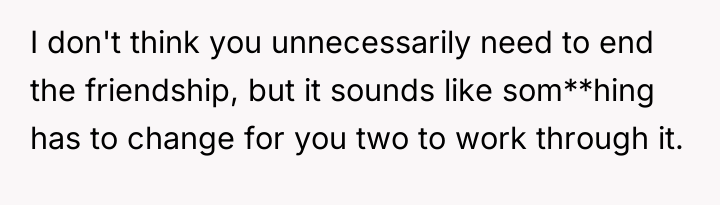
The community had thoughts — lots of them. From tough love to thoughtful advice, the comment section didn’t disappoint.

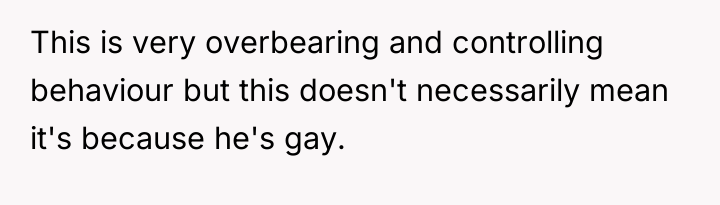
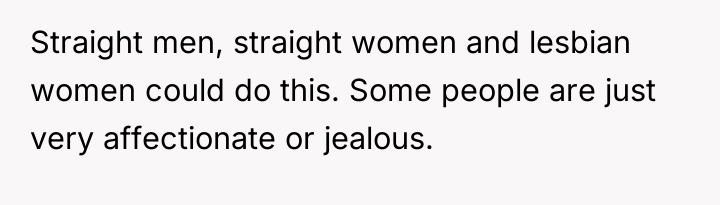





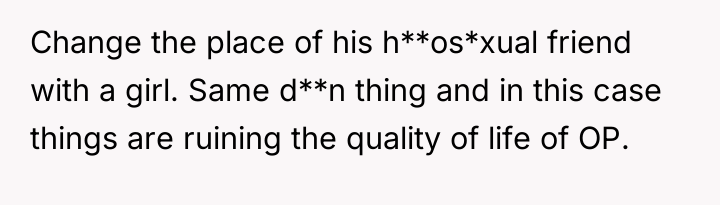
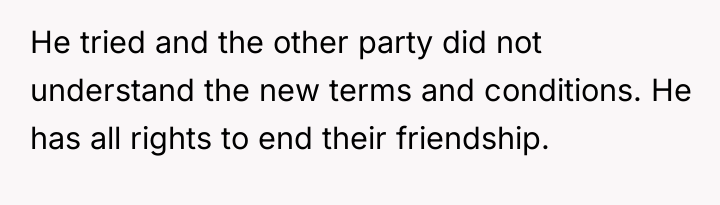



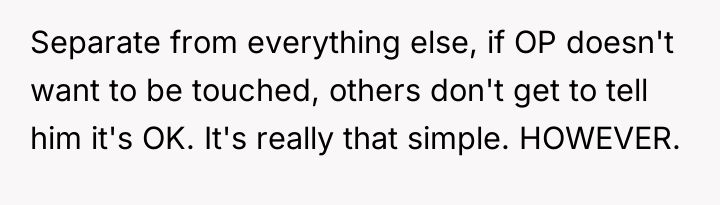


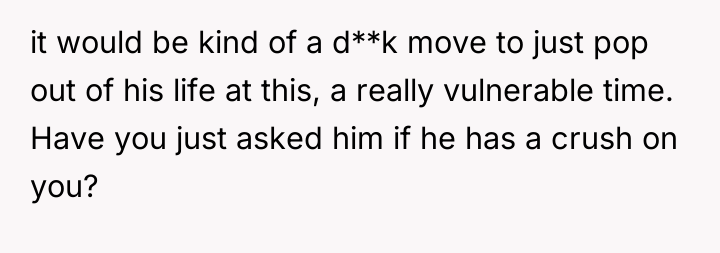
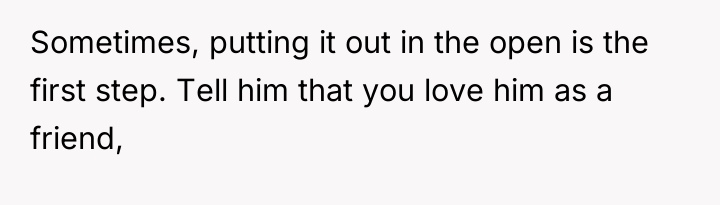
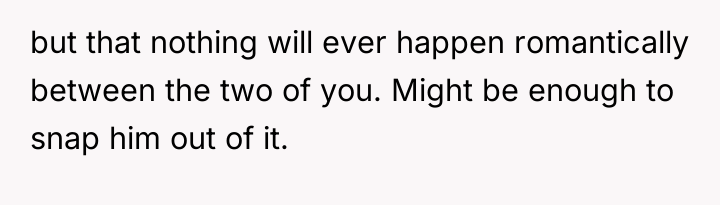

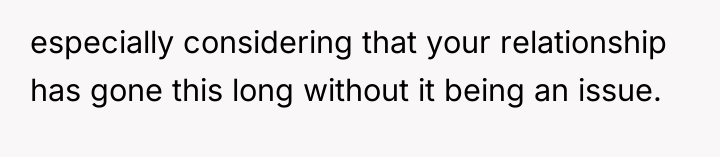






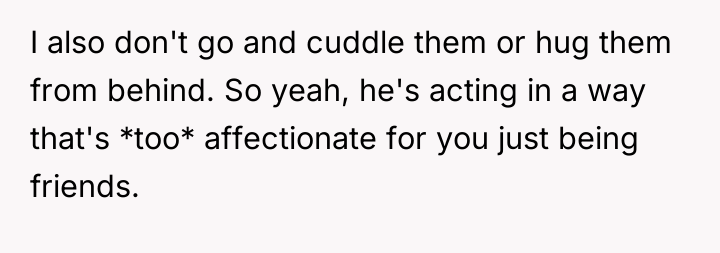


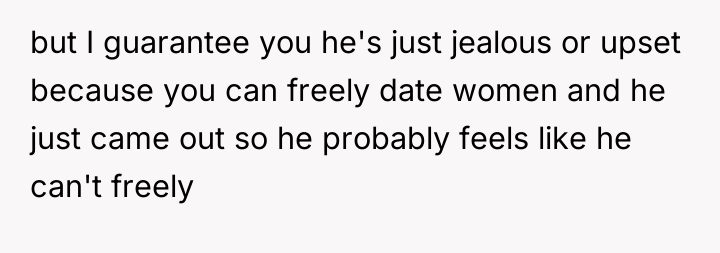


The original poster (OP) is facing significant emotional distress due to the persistent and unwanted physical affection and possessive behavior from their best friend, John, following John's recent coming out. The central conflict lies between the OP's need to maintain personal boundaries and comfort, and John's apparent difficulty in accepting these limits, leading to emotional manipulation and conflict within the friendship.
Given that direct communication about physical boundaries has been ignored and has caused tension, is the OP justified in ending a six-year friendship to protect their own well-being, or is there still a path toward setting and enforcing necessary boundaries without complete dissolution of the relationship?