
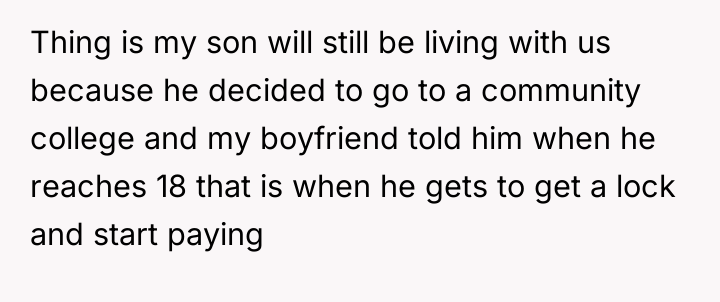
AITA for supporting my boyfriend when he told my son "no lock til you're 18"?
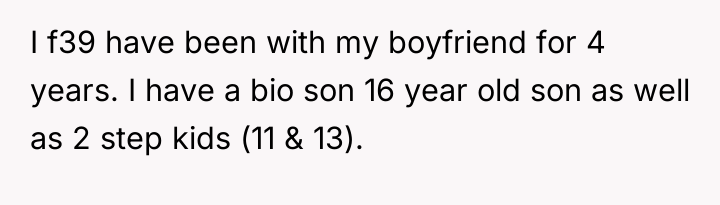
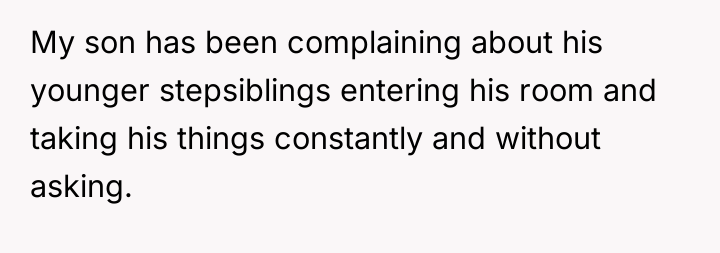
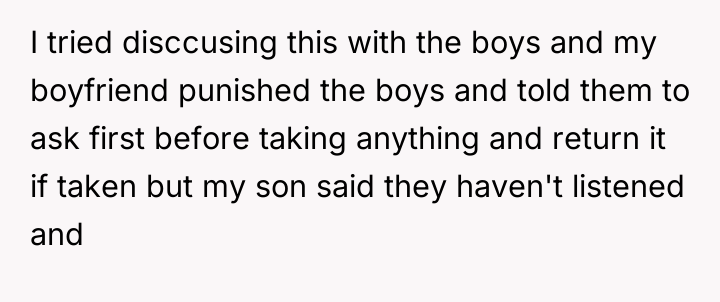
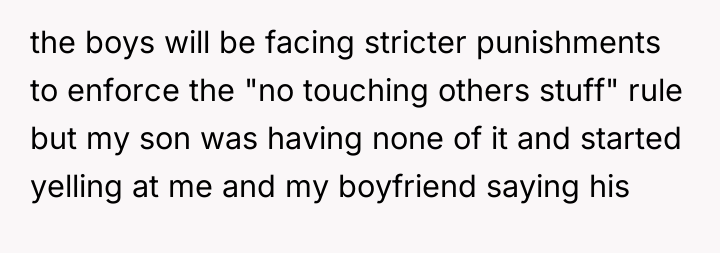
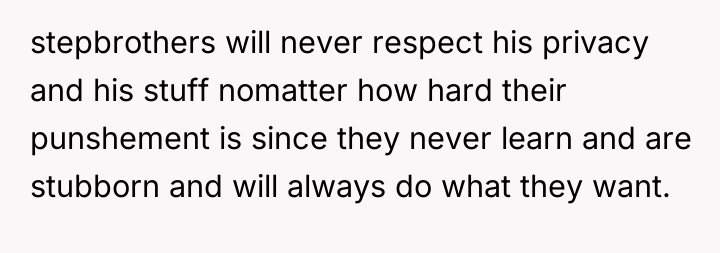
For four years, a mother has navigated the complex dynamics of a blended family, trying to protect her 16-year-old son from the constant invasion of his privacy by his younger stepbrothers. Despite her efforts and her boyfriend’s initial discipline, the younger boys continue to disrespect boundaries, leaving her son feeling powerless and unheard in his own home.
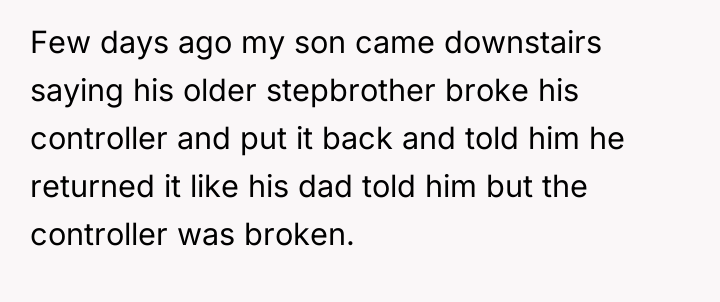
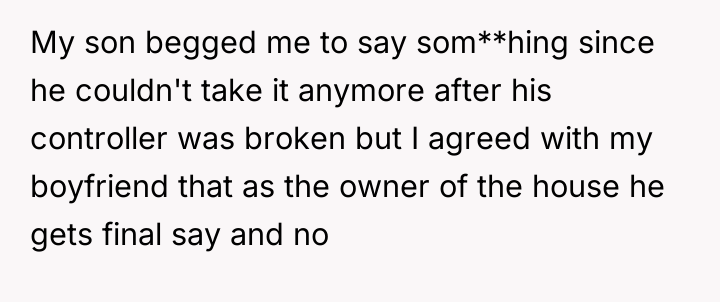
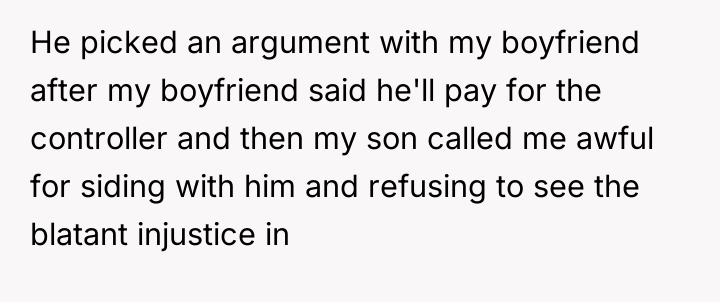
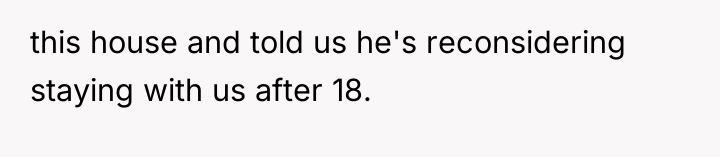
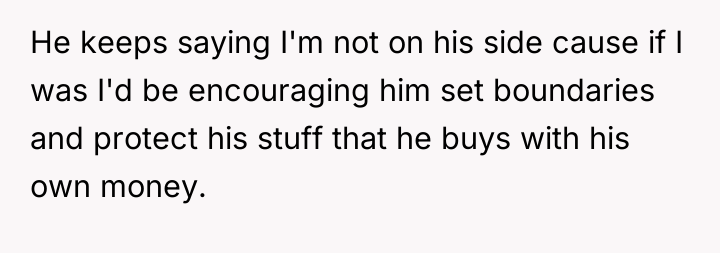
The breaking point came when her son’s older stepbrother shattered his controller, a cruel reminder that promises to respect boundaries were empty. When her son asked for the simple security of a lock on his door, hoping to reclaim a small sanctuary, his plea was met with harsh refusal—igniting a deeper rift in a family struggling to find trust and respect.


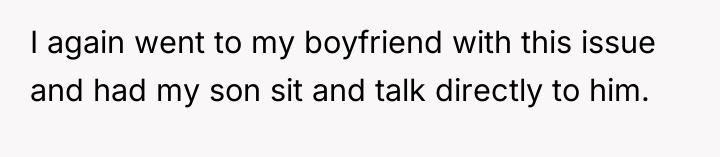
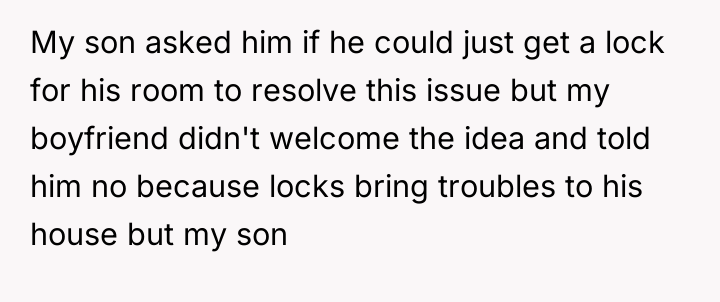
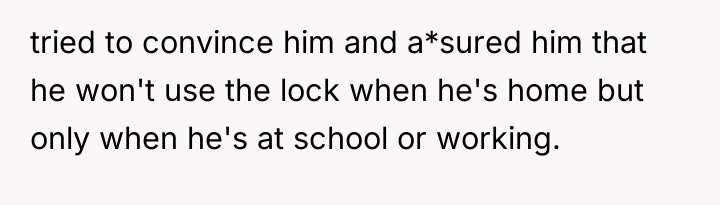
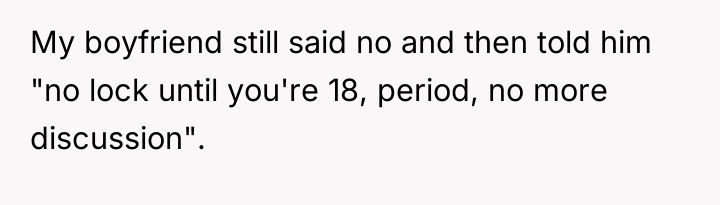



Subscribe to Our Newsletter
As renowned researcher Dr. Brené Brown explains, “Boundaries are the distance at which I can love you and me simultaneously.”
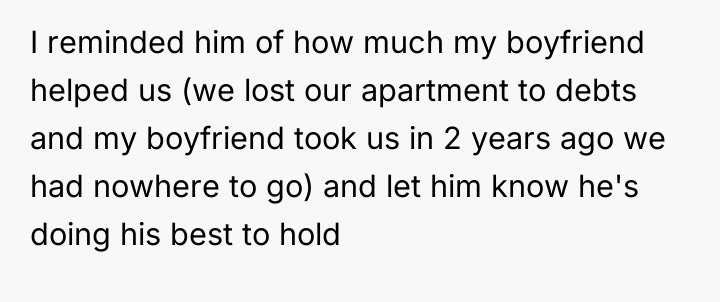
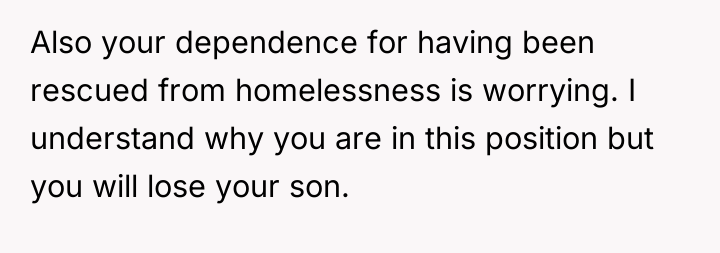
This situation clearly illustrates a failure in establishing and enforcing effective boundaries within a blended family structure. The boyfriend's refusal to allow a simple lock, citing abstract 'troubles' and imposing an arbitrary age limit (18), suggests a resistance to acknowledging the biological son's individual autonomy. His justification seems rooted in maintaining control or avoiding perceived complexity rather than promoting mutual respect. The OP's motivation to side with her boyfriend stems from gratitude and reliance (being taken in after financial hardship), creating a power imbalance where her son feels unsupported. When the OP sides with the boyfriend, she inadvertently teaches her son that his need for dignity and personal space is secondary to maintaining the peace or pleasing the authority figure, which can erode trust significantly.
The broken controller incident was the critical point requiring a firm boundary enforcement, not just compensation. While the boyfriend is paying for the damage, this punitive measure addresses the symptom, not the cause (lack of respect for private property). The OP should have advocated more strongly for a negotiated solution, perhaps involving a third-party mediator if the boyfriend remained entrenched. Moving forward, the OP needs to communicate clearly to her boyfriend that respect for personal boundaries is non-negotiable for the long-term health of the family, regardless of past debts or who owns the house. A constructive step would be to revisit the lock discussion, perhaps framing it as a safety measure for personal property rather than an act of defiance against the boyfriend.
AFTER THIS STORY DROPPED, REDDIT WENT INTO MELTDOWN MODE – CHECK OUT WHAT PEOPLE SAID.:
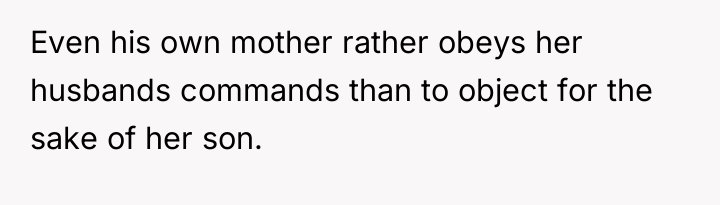
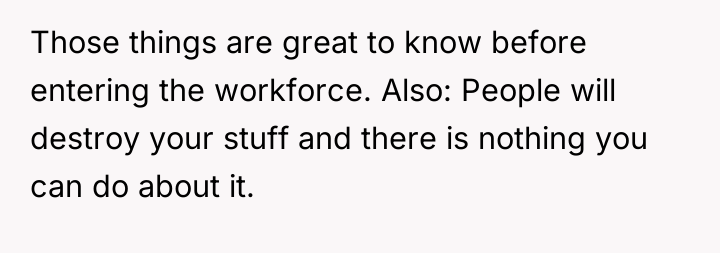
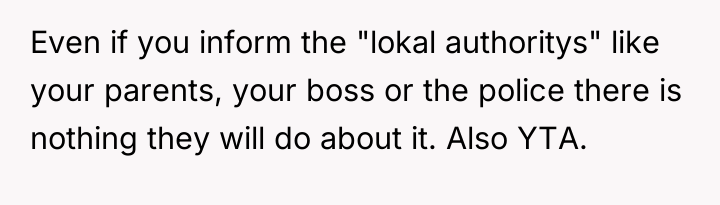
The community had thoughts — lots of them. From tough love to thoughtful advice, the comment section didn’t disappoint.

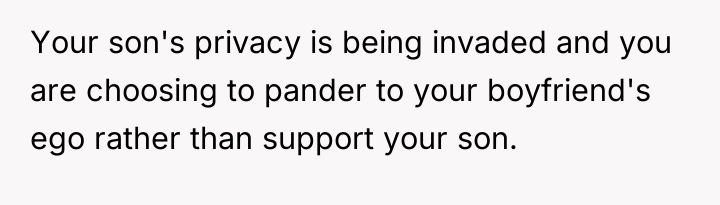

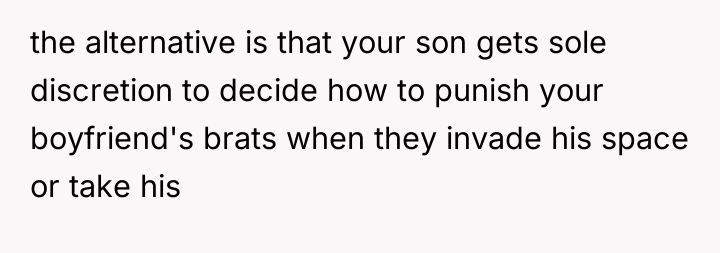

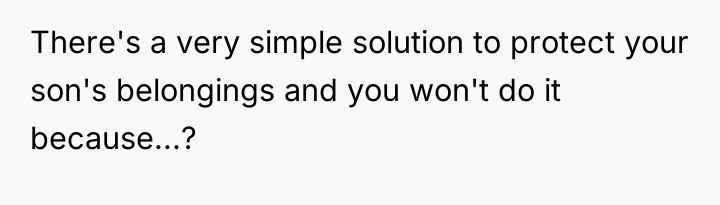
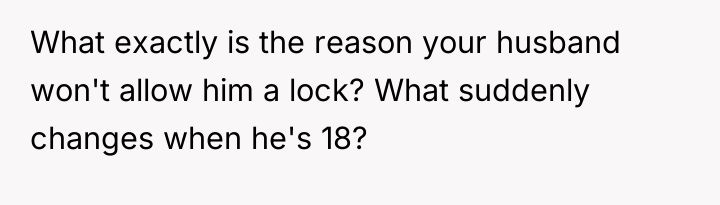
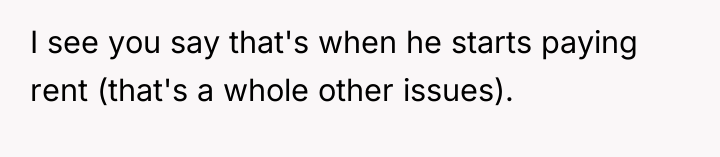
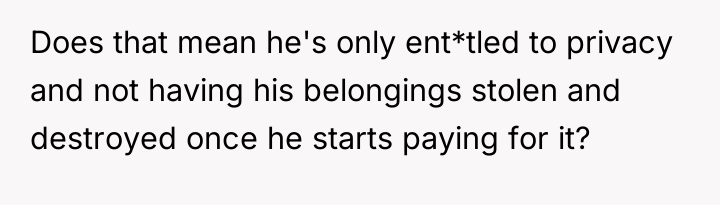
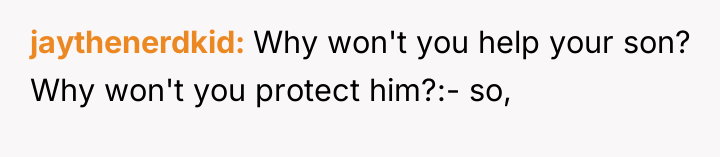
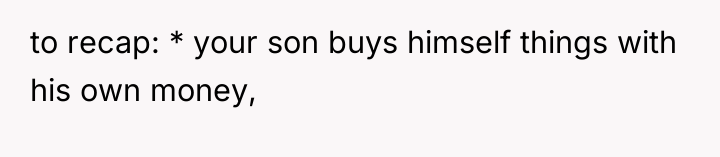







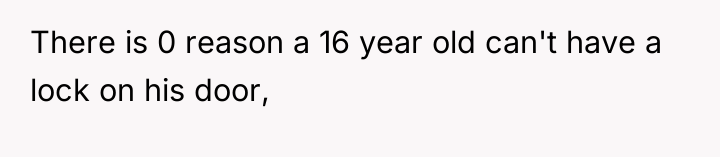
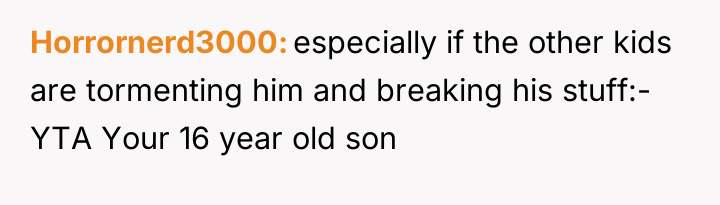
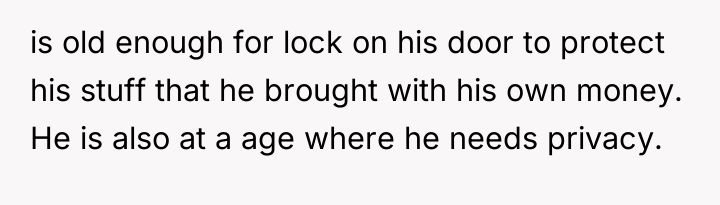
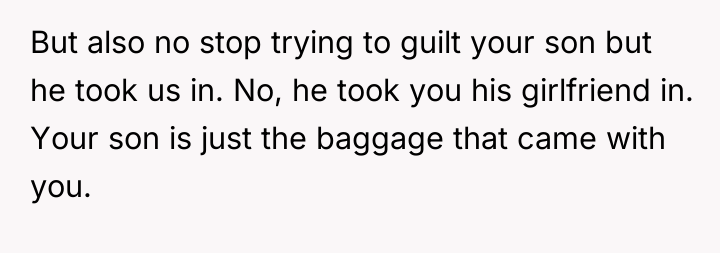
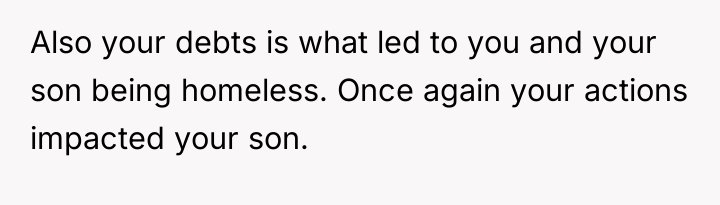
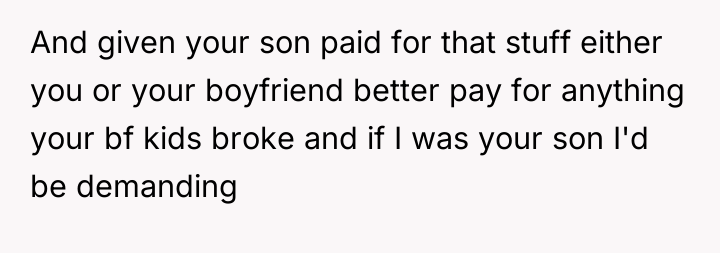

The original poster (OP) finds herself in a difficult position, torn between supporting her biological son's need for privacy and boundaries, and respecting her boyfriend's authority as the homeowner who provided crucial shelter during a past crisis. The central conflict revolves around the refusal to allow the son to install a room lock, creating a perceived injustice where the OP ultimately sided with her boyfriend's final decision, leading to severe emotional distress and threats of leaving from her son.
Is the OP justified in prioritizing the stability and rules of the household established by her partner, even if it means denying her son a fundamental boundary like privacy over his personal property, or should the right of a resident to secure their belongings outweigh the homeowner's absolute authority in this specific family dynamic?