
AITA for ‘alienating’ a friend after we walked out and lost our deposit because she brought her baby to the restaurant?
A group of friends eagerly anticipated their Friday night at a beloved shisha spot, a ritual they had perfected over time. Their plans were clear, the excitement palpable, until an unexpected arrival shattered their expectations and forced them to confront the fragile balance between friendship and responsibility.
Tension mounted as the friend’s baby appeared, a silent witness to a world of smoke and indulgence that clashed with parental concern. What was meant to be a carefree evening turned into a silent battle of values and choices, revealing the complexities hidden beneath the surface of their once-simple gathering.










Subscribe to Our Newsletter
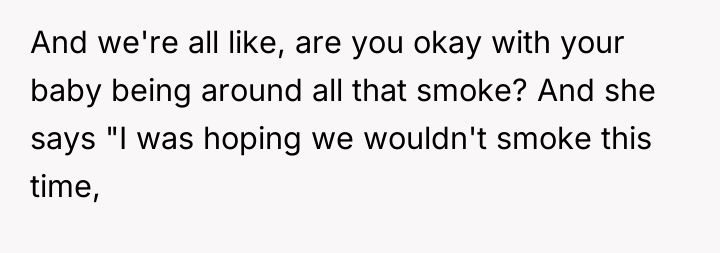
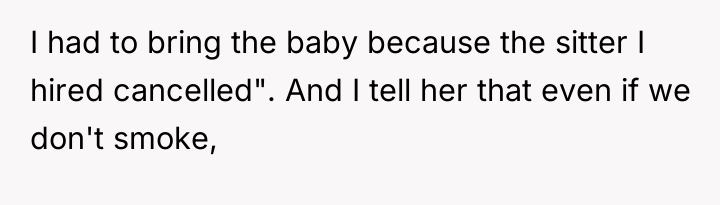
As renowned researcher Dr. Brené Brown explains, “Boundaries are the distance at which I can love you and me simultaneously.” This situation highlights a clash between established group norms (attending a shisha venue as planned) and an individual's new, unexpected circumstances (caring for an infant and avoiding smoke). The group had a clear, pre-established plan, and the friend's decision to attend with a baby, knowing the venue's nature, placed an uncommunicated burden on the entire party, demonstrated by her sudden hope that the group would forgo smoking.
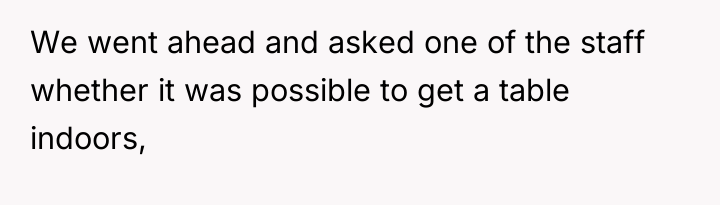
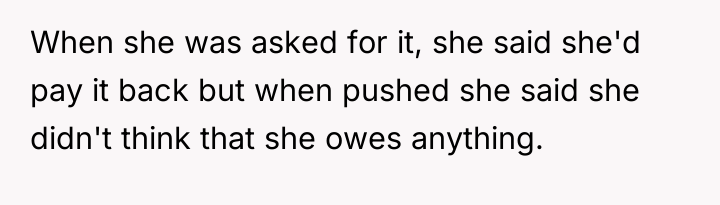
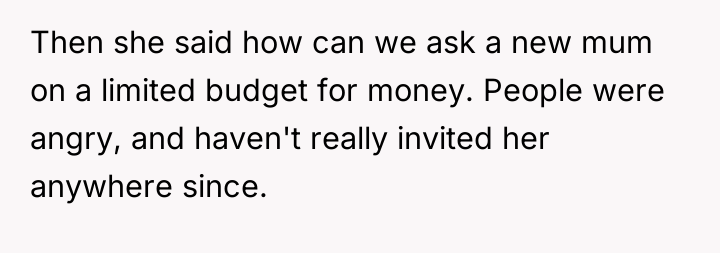
The decision to leave the restaurant, though frustrating, was a logical consequence of the incompatibility between the reservation's purpose and the friend's presence. However, the financial aspect introduces a power dynamic. While the friend leveraged her status as a 'new mum on a limited budget' as a shield against financial responsibility, this action bypasses the established financial agreement made by the entire group for the booking. From a group dynamic perspective, allowing one member to unilaterally opt out of a shared financial commitment can destabilize future planning and breed resentment.
The OP and the group's initial action of leaving was understandable given the altered circumstances disrupting the core purpose of the outing. However, the handling of the deposit shifted from a boundary issue to a conflict over shared financial ethics. A more constructive future approach would involve immediate, calm communication upon arrival regarding the deposit split, perhaps suggesting the group cover the deposit if the friend agreed to meet them later in a smoke-free setting, or firmly but kindly explaining that shared financial commitments must be honored regardless of personal circumstances, perhaps offering a structured repayment plan.
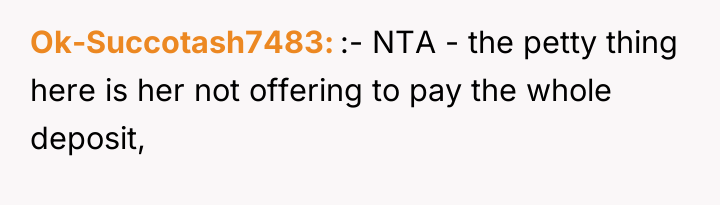
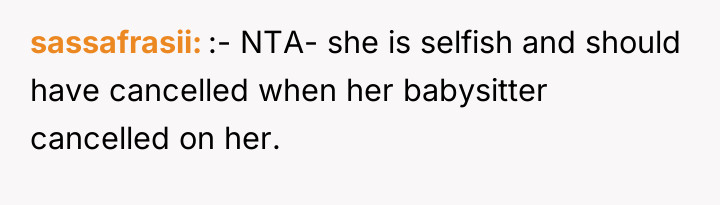
THE COMMENTS SECTION WENT WILD – REDDIT HAD *A LOT* TO SAY ABOUT THIS ONE.:
It didn’t take long before the comment section turned into a battleground of strong opinions and even stronger emotions.

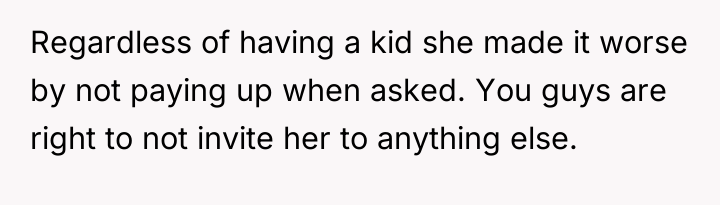






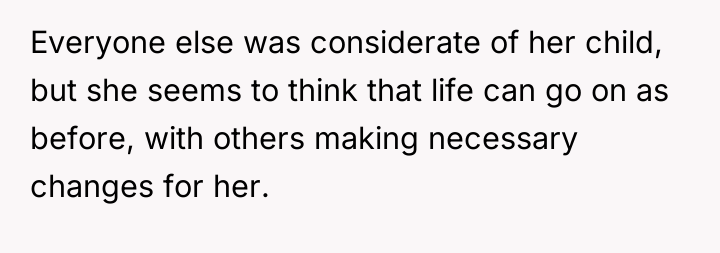
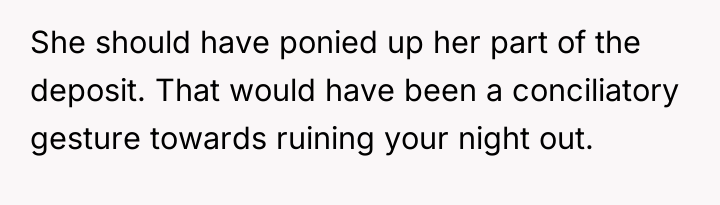
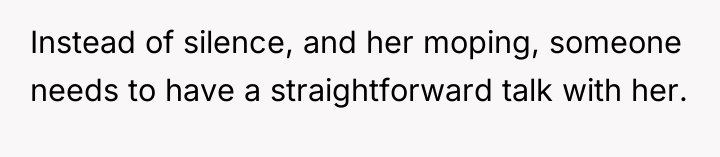
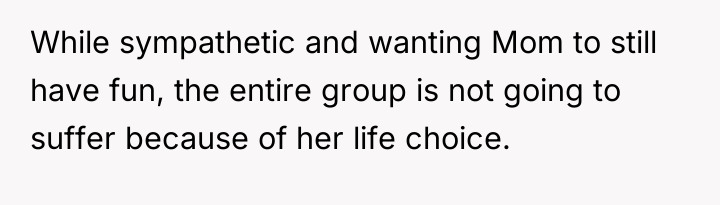


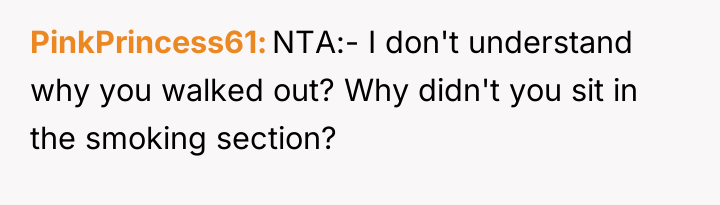



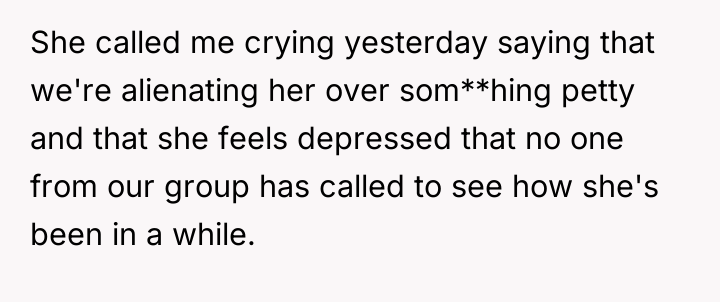
The original poster (OP) and their friends prioritized their agreed-upon activity, which involved smoking shisha outdoors, leading them to leave the reservation when a friend unexpectedly brought a baby and expressed a desire not to smoke. A significant conflict arose afterward regarding the forfeited deposit, where the friend with the baby refused to contribute, citing her status as a new mother on a limited budget, which caused anger and subsequent exclusion from the friend group.
Was the group correct to enforce equal financial responsibility for the forfeited deposit despite the friend's new parental status and financial constraints, or should the group have absorbed the cost to prioritize the friend's immediate needs and maintain group harmony?