
AITA for taking legal action against my family?
In the quiet shadows of a family home, a painful betrayal unfolds as the fragile threads of trust and love unravel. A grandmother, fading away in the grasp of dementia, finds her precious memories not only slipping from her mind but also disappearing from her hands—her cherished rings stolen under the guise of a whispered promise, twisting the bonds of kinship into conflict and sorrow.
As the grandfather’s heart breaks over lost treasures and fractured loyalty, the family stands at a crossroads of grief and anger. The sacred trust meant to protect their matriarch is shattered, revealing how greed and misunderstanding can cast long, dark shadows over the final chapters of a loved one’s life.






Subscribe to Our Newsletter
As renowned researcher Dr. Brené Brown explains, “Boundaries are the distance at which I can love you and me simultaneously.” In this situation, the boundaries surrounding the grandmother's personal property have been severely violated, creating an emotional crisis for the grandfather and the OP.
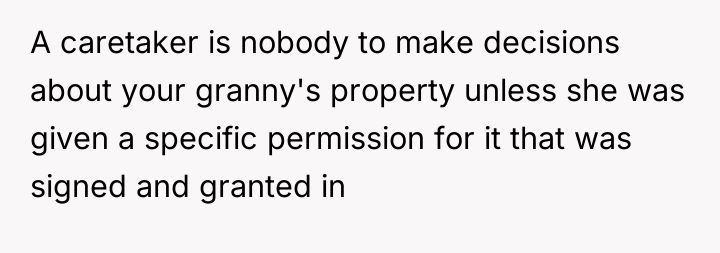
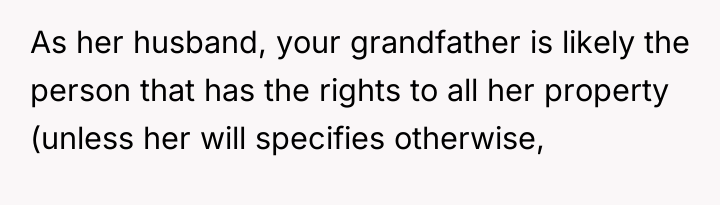
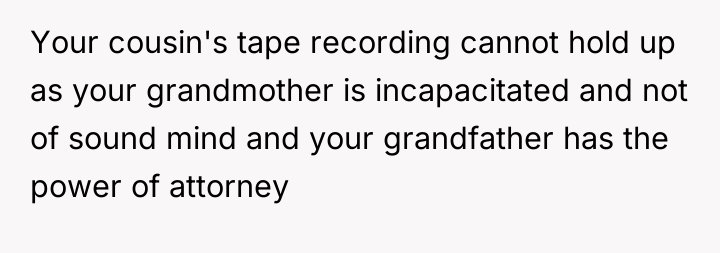
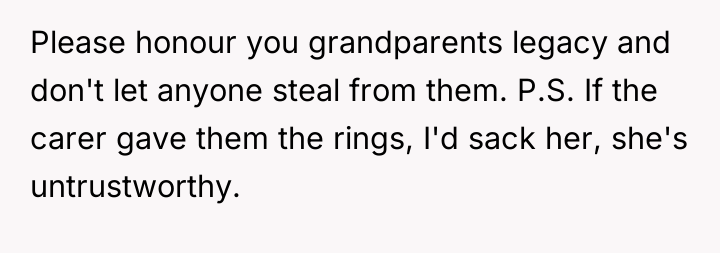
The core issue here involves legal capacity and undue influence. While the caretaker claims verbal confirmation from the grandfather, the grandmother's advanced dementia legally invalidates her ability to grant permission for such transfers, and the cousin's refusal to return items that do not legally belong to her demonstrates a lack of respect for established legal hierarchies (the Power of Attorney and the Will). The caretaker's role as a fiduciary is compromised if they facilitated the transfer of assets to a non-beneficiary. The grandfather, as the legal POA, has the authority to reclaim assets belonging to his spouse. The cousin's reliance on an informal verbal claim over clear legal documentation shows a prioritization of perceived entitlement over legal and ethical obligations.
The OP's immediate reaction to contact lawyers and consider police involvement is appropriate given the high sentimental value and the clear refusal to cooperate. A professional recommendation would be to prioritize the legal route via the grandfather (as POA) to recover the items, as a police report for stolen property establishes a clear legal record. However, before the police are formally involved, a final, formal demand letter from the lawyer outlining the illegality of the possession might serve as a final warning shot, potentially preserving the option of mitigating future family tension, though that tension seems unavoidable given the cousin's current stance.
THIS STORY SHOOK THE INTERNET – AND REDDITORS DIDN’T HOLD BACK.:
This one sparked a storm. The comments range from brutally honest to surprisingly supportive — and everything in between.

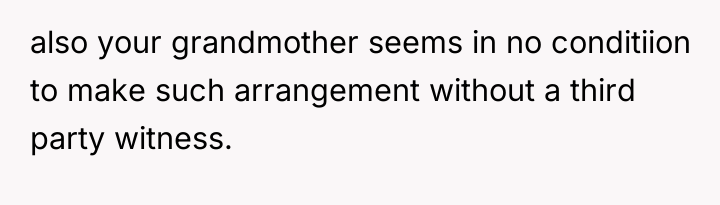

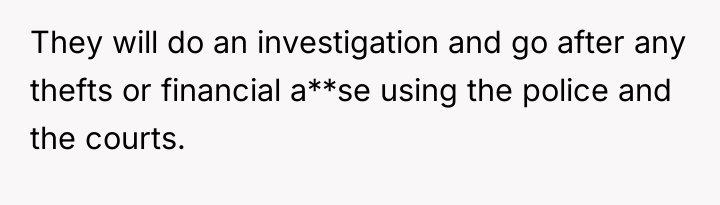
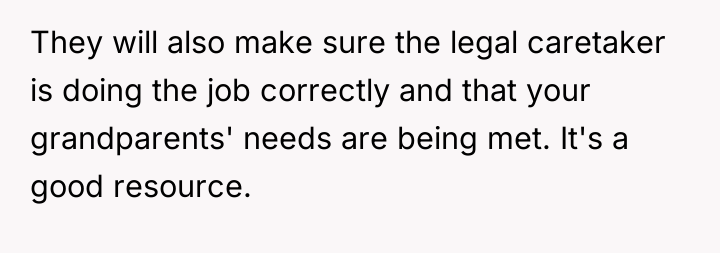













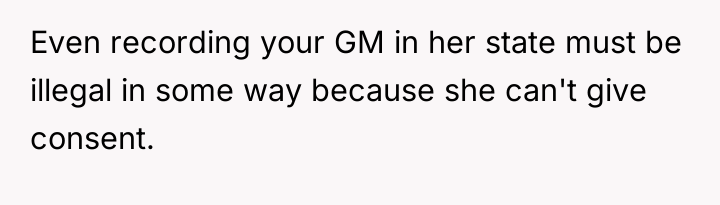



The original poster is experiencing significant frustration and anger because valuable family jewelry, including irreplaceable sentimental items, was taken from a vulnerable relative under questionable circumstances involving conflicting verbal permissions. The central conflict is between the OP's need to protect their grandfather's assets and respect the grandmother's true wishes (as legally documented in her will) versus the cousin's insistence on keeping the items based on a shaky, possibly coerced verbal agreement allegedly facilitated by the caretaker.
Given the legal standing of the will versus a contested verbal statement made near an incapacitated person, should the OP proceed immediately with filing a police report for stolen property to recover the items, or is the potential family fallout from involving law enforcement an unacceptable price to pay for resolving this dispute?