
Friend's Fiancé Called Me a S**t for Leaning on the Table During D&D
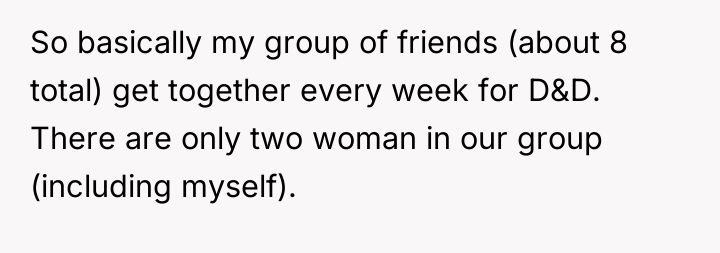
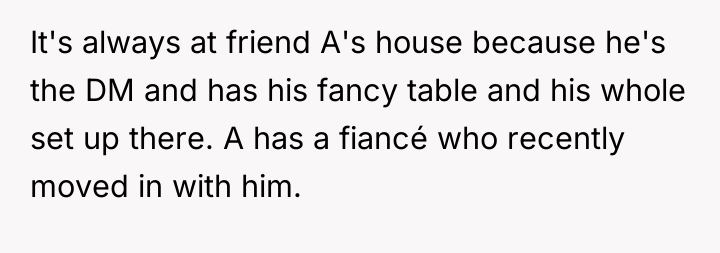
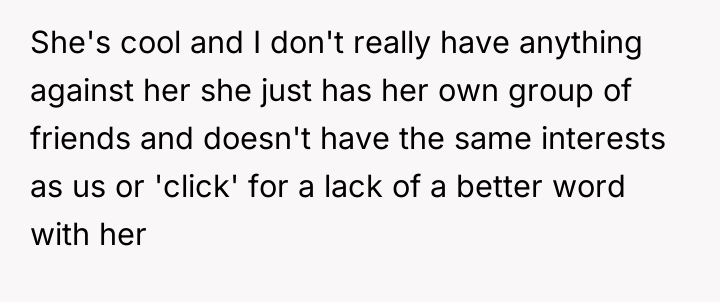
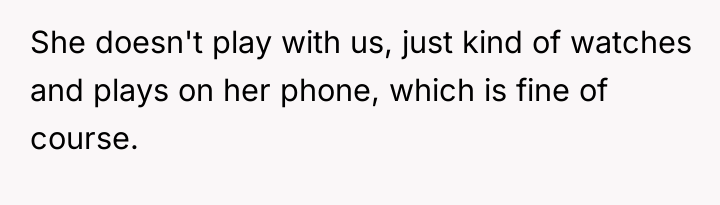
In the close-knit circle of friends who gather weekly for their cherished D&D sessions, a subtle tension brews beneath the surface. Among them, only two women share the space, one of whom navigates the complex dynamics stirred by the presence of the DM’s fiancé—an outsider trying to bridge the gap between her world and theirs, yet remaining on the periphery, an observer more than a participant.
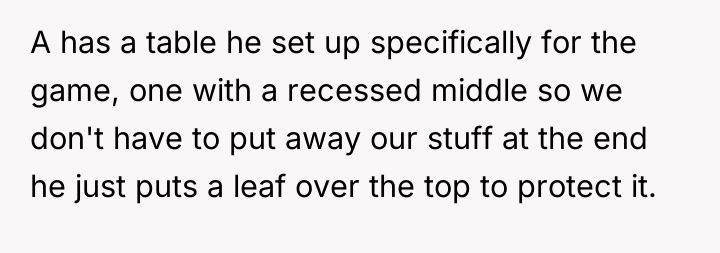
The game table, a symbol of their shared passion, becomes a silent battleground of physical and emotional boundaries. Its design, meant to enhance immersion, inadvertently exposes vulnerabilities—forcing one woman to confront discomfort not just from the table’s awkward dimensions, but from the unspoken divides that ripple through their once seamless camaraderie.






Subscribe to Our Newsletter
As renowned researcher Dr. Brené Brown explains, “Boundaries are the distance at which I can love you and me simultaneously.” This situation highlights a profound clash of boundaries revolving around physical space, perception, and emotional interpretation within a shared social setting.
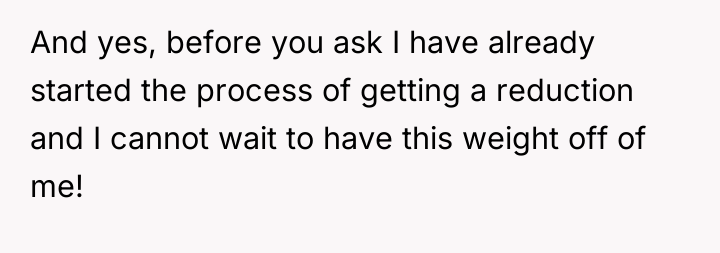
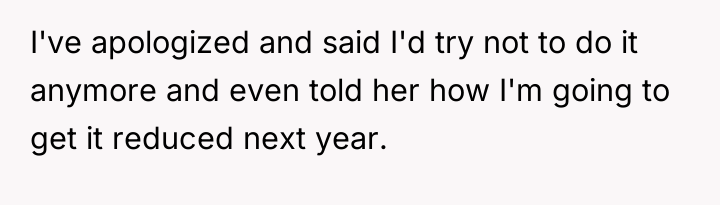
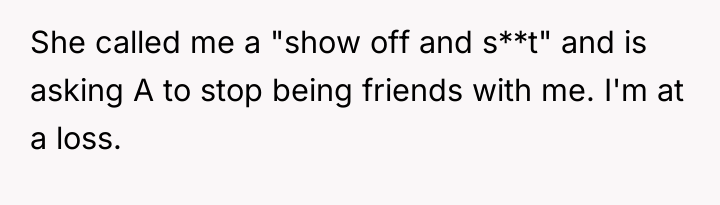
The core issue here is not the OP's posture itself, but the fiancé's interpretation and subsequent aggressive communication. The OP's motivation appears entirely rooted in managing physical discomfort associated with body size, a factor they are actively seeking to resolve medically. In contrast, the fiancé projected inappropriate intent onto a neutral physical action, likely stemming from insecurities related to sharing her partner’s attention or unfamiliarity with the friend group’s established dynamics. The fiancé’s reaction—calling the OP names and demanding exclusion—is a severe overreaction that violates fundamental principles of respectful group interaction and hospitality. The OP appropriately apologized for causing *discomfort* and offered a plan for future changes (the reduction surgery), but they should not have apologized for the *intent* behind a necessary physical adjustment.
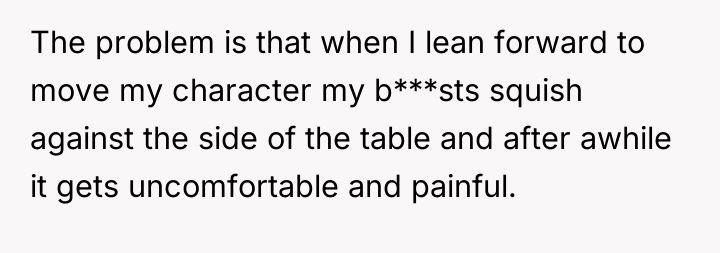
The OP's actions regarding their posture, taken in isolation as a measure to manage pain, were appropriate given the physical constraints of the table design and their body. Moving forward, the OP needs to have a mediated conversation with Friend A (the host) about the fiancé's behavior, focusing on establishing clear ground rules for social conduct rather than conceding to the accusation. A constructive approach would be to agree with Friend A on a temporary adaptation (e.g., sitting slightly away from the table edge) until the surgery, while Friend A addresses the need for respectful communication from his partner.
REDDIT USERS WERE STUNNED – YOU WON’T BELIEVE SOME OF THESE REACTIONS.:
The community had thoughts — lots of them. From tough love to thoughtful advice, the comment section didn’t disappoint.
:->

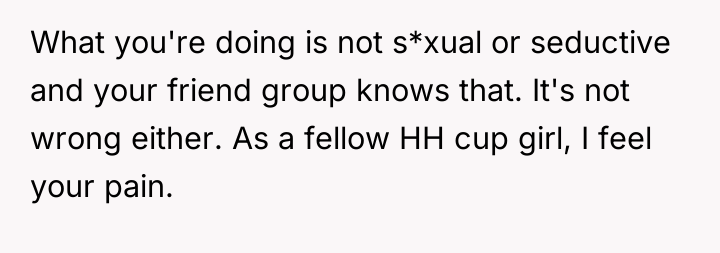
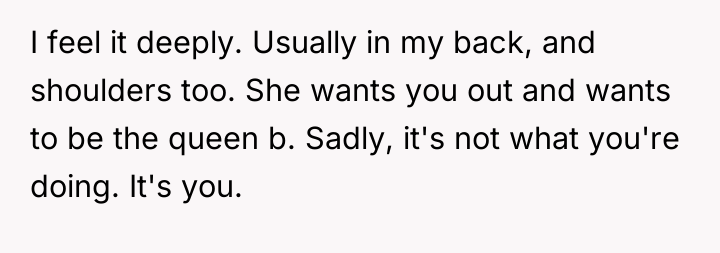

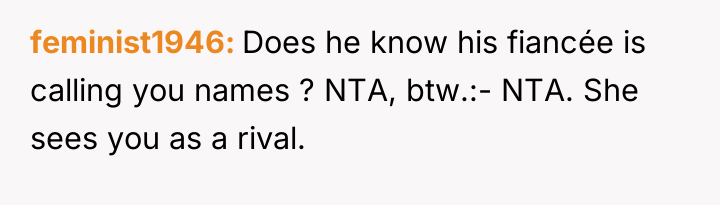

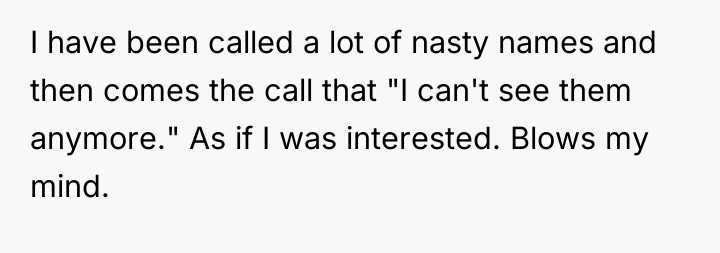
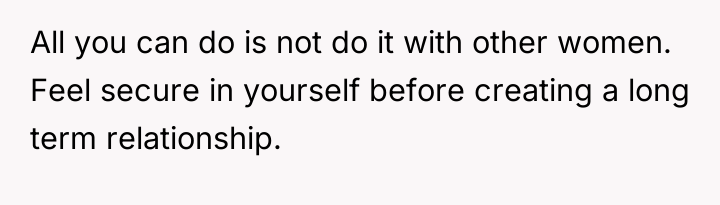



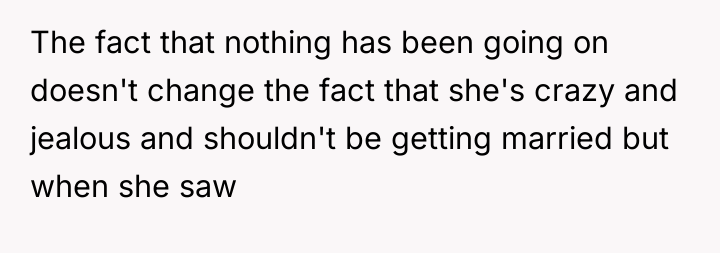

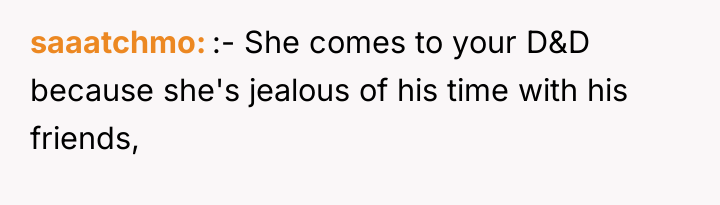
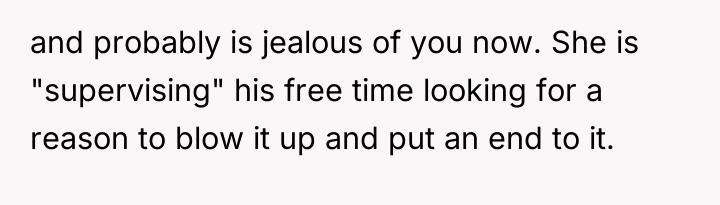
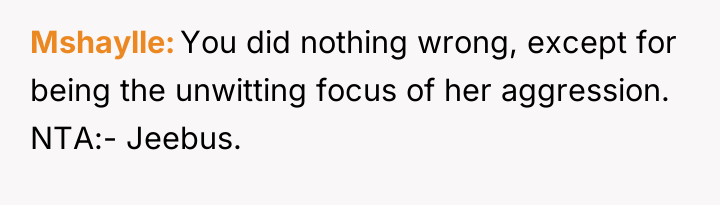
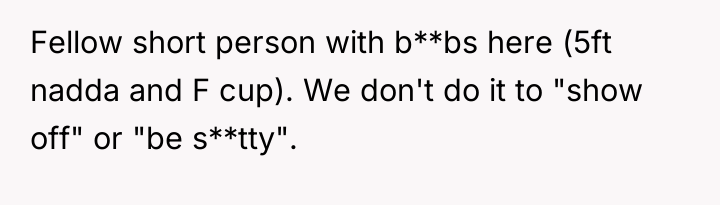

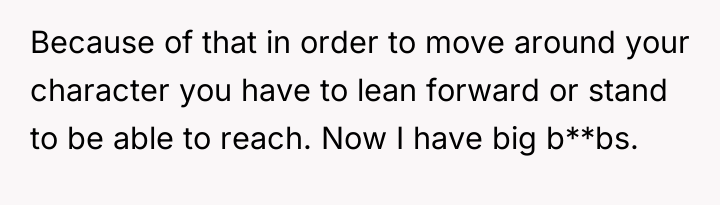
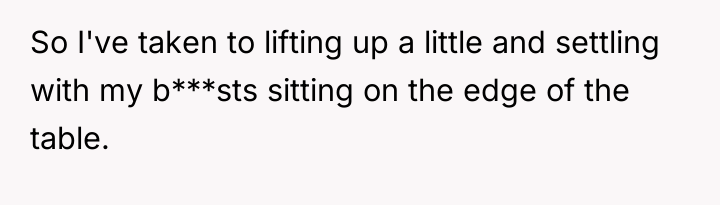
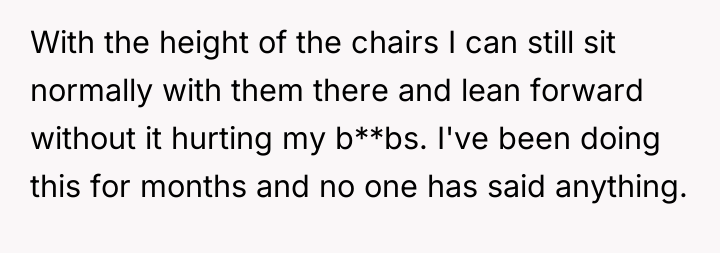
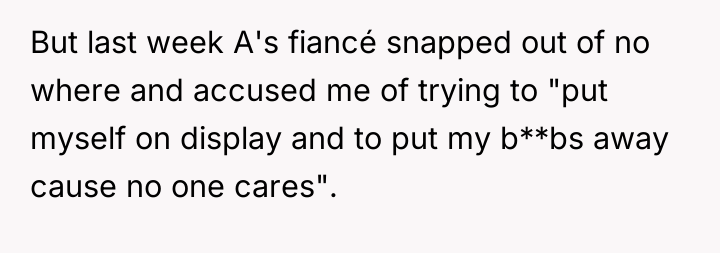
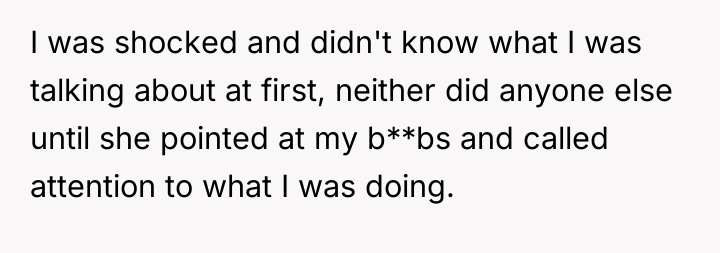
The original poster (OP) is facing a serious conflict within their long-standing Dungeons&Dragons group due to an intrusive and hostile accusation from the host's fiancé regarding the OP's posture while playing. The OP's action was purely a physical adjustment for comfort due to a medical condition (large breasts causing pain when leaning over the specialized gaming table), yet the fiancé interpreted this adjustment as a deliberate attempt to seek attention, leading to significant emotional distress and potential exclusion from the group's meeting location.
Should the OP prioritize maintaining their long-term friendship and gaming participation by completely altering a necessary physical comfort measure, or is the fiancé’s dramatic public confrontation an unacceptable overreaction to a behavior she perceived negatively, even if it was unintentional? Which perspective—the OP's need for physical relief versus the host's partner's comfort in her own home—holds more weight in this social dynamic?