
AITA for "throwing a tantrum" upon finding out I'm getting another sibling?
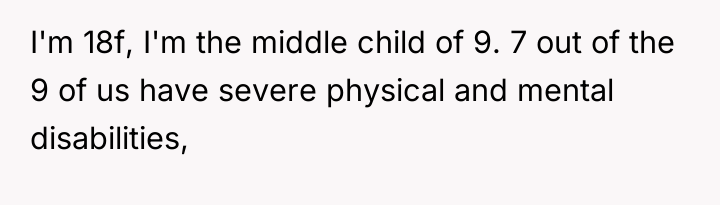
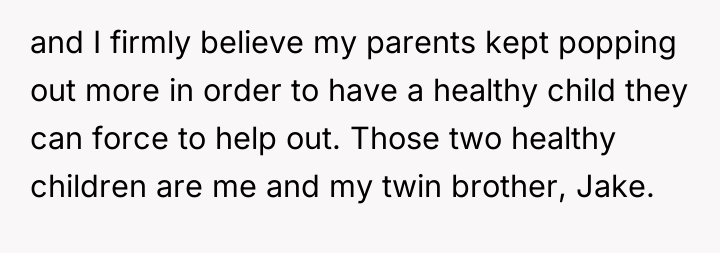
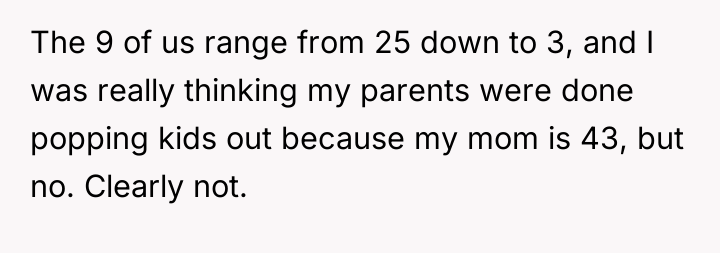
In a household of nine children, where seven face severe physical and mental disabilities, an 18-year-old girl confronts the crushing weight of responsibility thrust upon her and her twin brother. Born into a family struggling not only with financial hardship but also with the burden of unmet needs, she feels the sting of sacrifice as her own dreams and freedoms are repeatedly sidelined.
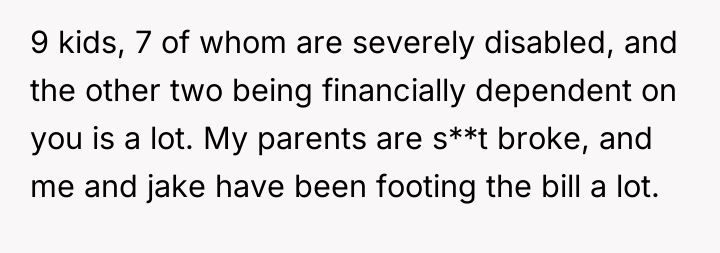
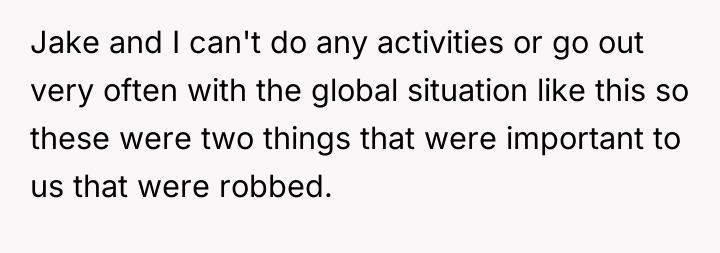
The story of this resilient young woman is one of quiet endurance and heartbreaking compromise. As she and Jake watch their hard-earned savings vanish to support their siblings and parents, their own hopes for independence and joy are stolen away, leaving them trapped in a cycle of giving that threatens to consume their youth.





Subscribe to Our Newsletter
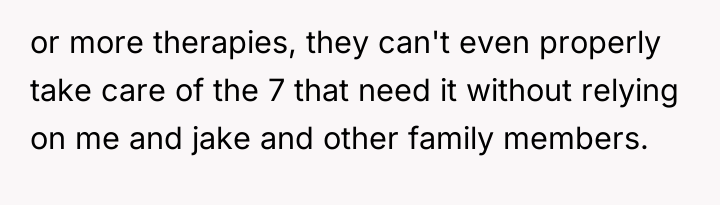
As renowned researcher Dr. Brené Brown explains, “Boundaries are the distance at which I can love you and me simultaneously.” This situation illustrates a severe breakdown of healthy boundaries within the family system. The OP and her twin brother, being the only two physically and mentally healthy children in a family of nine, have been involuntarily cast into the role of primary caregivers and financial providers for years, not just for their siblings but also for their parents' lifestyle choices.
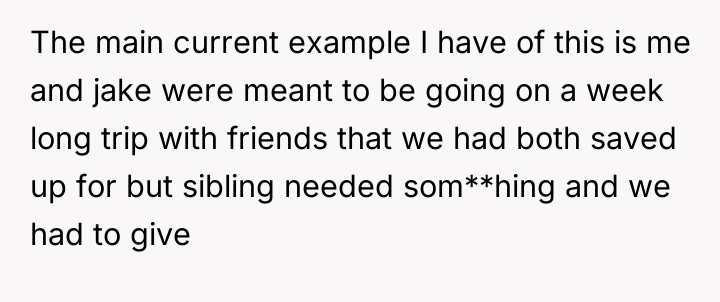
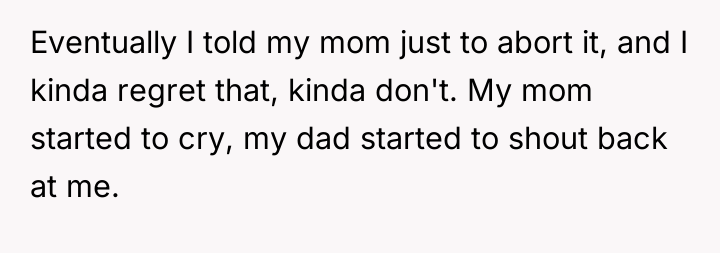
The parents' decision to have another child while already financially precarious and dependent on their healthy children's labor demonstrates a significant lack of responsibility and a failure to acknowledge the emotional and financial debt incurred by the OP and Jake. The OP's explosive reaction, including suggesting an abortion, while harsh, is a predictable outcome of prolonged emotional suppression and resentment over constantly deferred personal goals (the trip, moving out). Her subsequent departure, while perhaps not the most strategic communication choice, is a clear attempt to enforce a boundary when verbal communication failed to change the underlying unsustainable dynamic.
The brother's reaction, viewing the OP as the 'ass' for leaving, suggests he may be either more deeply conditioned to accept the role of the helper or is currently feeling the increased burden of the OP's absence. Professionally, the OP's actions to remove herself from an abusive financial and emotional situation were appropriate for self-preservation. For future interactions, the OP needs to approach negotiation from a position of established physical distance, focusing on clear, non-negotiable terms for financial independence rather than reacting to crises. She needs external support to solidify her exit plan.
REDDIT USERS WERE STUNNED – YOU WON’T BELIEVE SOME OF THESE REACTIONS.:
Support, sarcasm, and strong words — the replies covered it all. This one definitely got people talking.





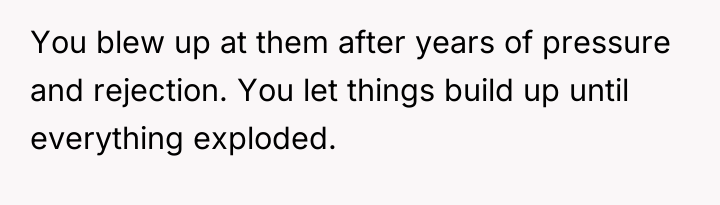
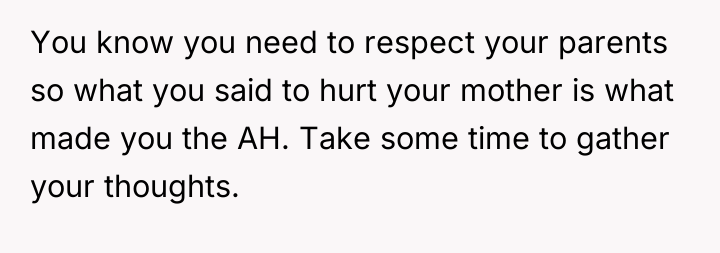






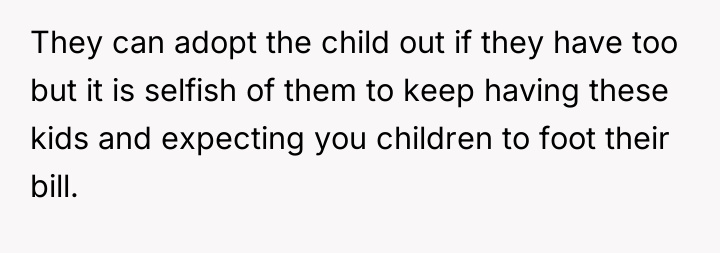


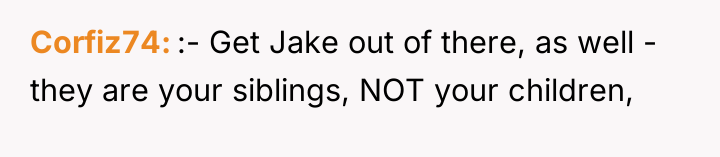
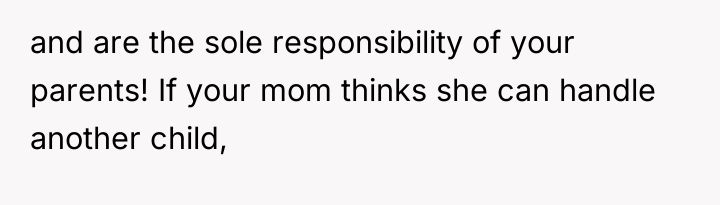

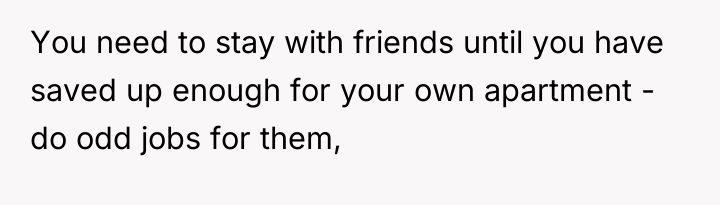

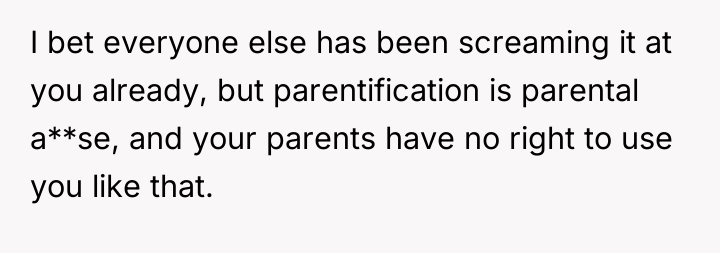
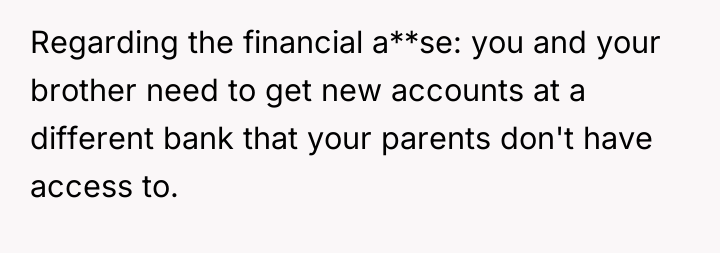




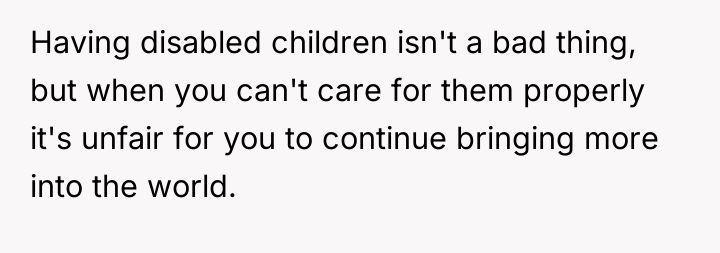

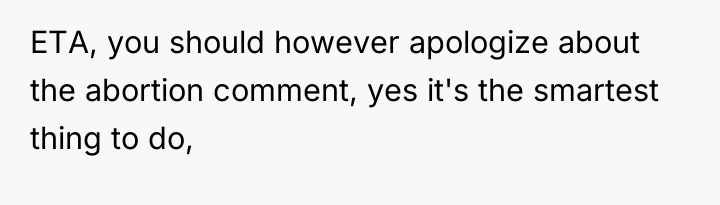
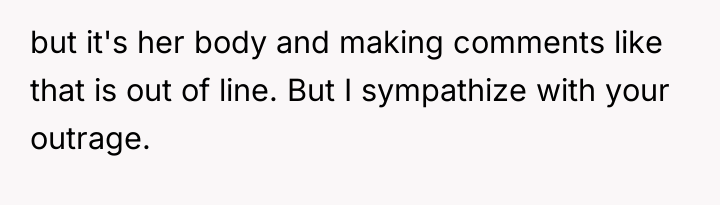

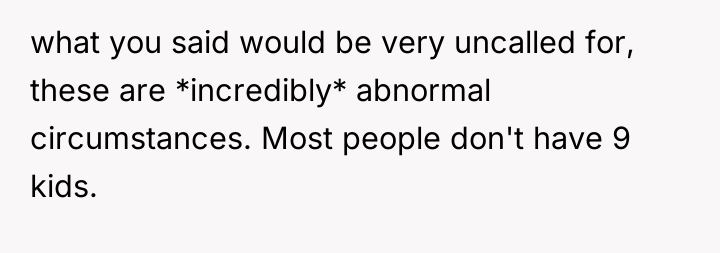
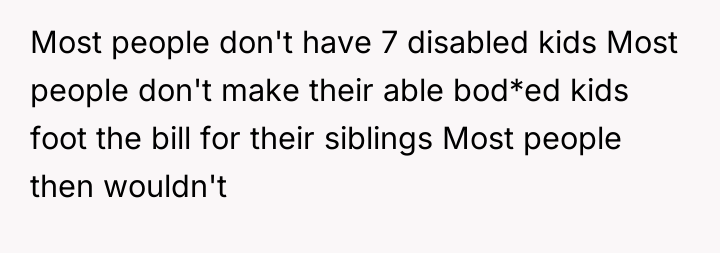
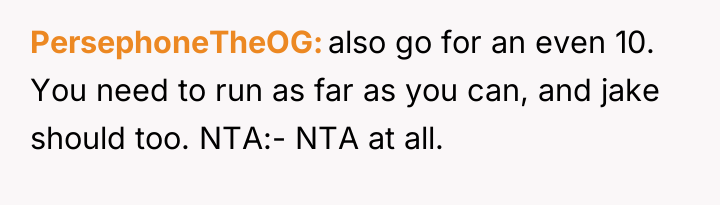
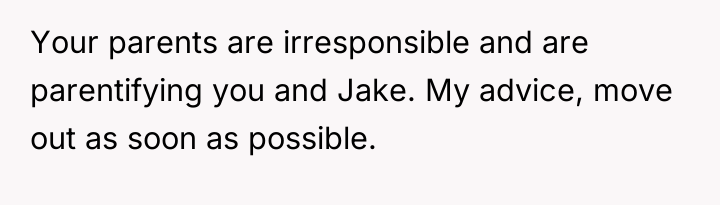

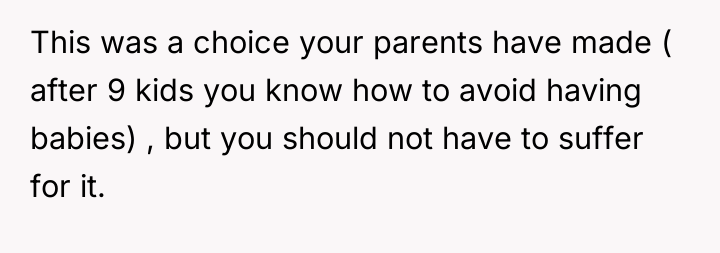

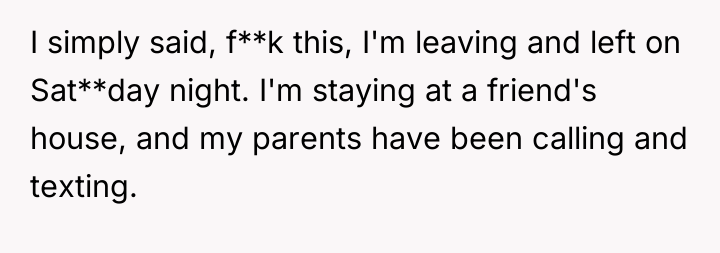
The original poster (OP) is experiencing extreme emotional distress due to the perceived exploitation of her and her twin brother's labor and finances to support a very large family, seven members of which have severe disabilities. The central conflict arises from the parents' decision to have another child despite clear financial instability and the resulting cancellation of the OP's long-planned social opportunities, leading the OP to react with extreme anger and ultimately leave home.
Given the OP's feelings of being trapped and used versus the parents' overwhelming responsibility and the brother's plea for support, the core question remains: Is the OP justified in prioritizing her immediate autonomy and well-being by leaving, or is she obligated to stay and contribute to the family's immense needs, even at the cost of her own future?