
WIBTA if I chose to stay home with my husband rather than go to my daughter's wedding?
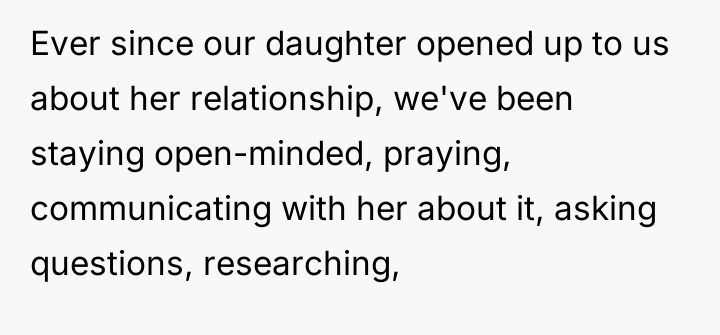
A mother and father stand at the crossroads of love and belief, striving to embrace their daughter's truth while wrestling with their own deeply held convictions. Their journey is marked by bravery and vulnerability, as they open their hearts to a world once unfamiliar, seeking understanding through prayer, dialogue, and the guidance of a compa*sionate counselor. Each step they take is a testament to their unwavering love, even when shadows of doubt threaten to dim their path.
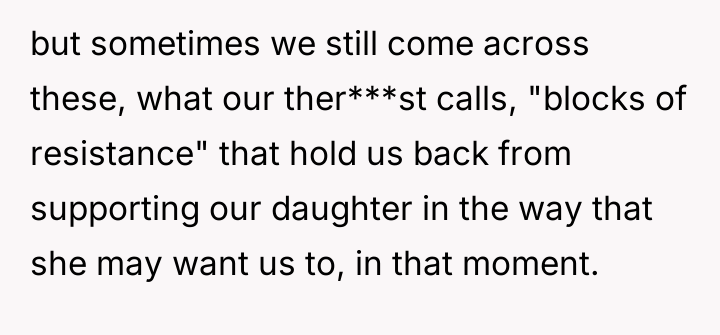
In this delicate dance of acceptance, the family confronts the invisible barriers that challenge their unity, confronting fears and prejudices with the raw honesty of those who want nothing more than to support their daughter’s happiness. Their story is a powerful reminder that love is not always simple, but it is in the struggle to reconcile difference that true compa*sion and growth emerge.







Subscribe to Our Newsletter
As renowned researcher Dr. Brené Brown explains, “Boundaries are the distance at which I can love you and me simultaneously.” In this complex situation, the parents have drawn a clear boundary concerning attendance at an event that conflicts with their core beliefs, while the daughter has drawn an equally firm boundary requiring their physical presence as a prerequisite for continued access to their relationship.
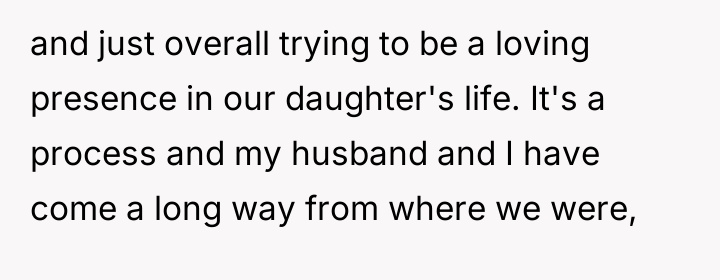
The core dynamic here involves conflicting definitions of support. The parents have demonstrated significant effort—welcoming the partner, engaging in therapy, and maintaining dialogue—which constitutes emotional labor and a willingness to adapt. However, the daughter perceives attendance at the wedding not as one act among many, but as the ultimate validation of her life choices. The counselor correctly identified the danger of ultimatums, which forces one party to completely dissolve their identity or boundary for the sake of the other. The parents' resistance stems from an internal moral conflict, while the daughter's ultimatum is a reaction to feeling unsupported at a moment of high vulnerability and joy.
From a professional standpoint, the parents’ consistent, though limited, efforts show a sincere attempt to bridge the gap. However, their joint decision to draw a hard line on attendance, after making so much ground, has triggered the highest possible relational cost. The constructive recommendation is for the parents to explore alternative forms of affirmation that do not require their physical presence at the ceremony itself, such as sending a meaningful written message expressing love, or attending the reception only, if possible. If the hard line must stand, they must prepare for the reality of the daughter's stated consequence while continuing to communicate love outside the context of the wedding.
AFTER THIS STORY DROPPED, REDDIT WENT INTO MELTDOWN MODE – CHECK OUT WHAT PEOPLE SAID.:
What started as a simple post quickly turned into a wildfire of opinions, with users chiming in from all sides.

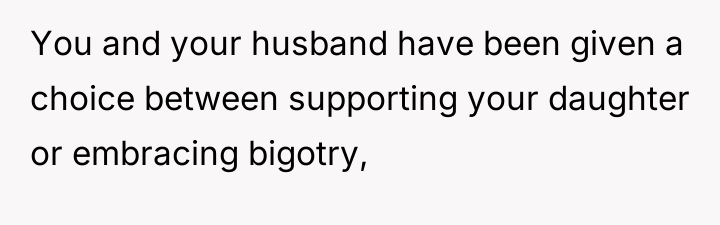


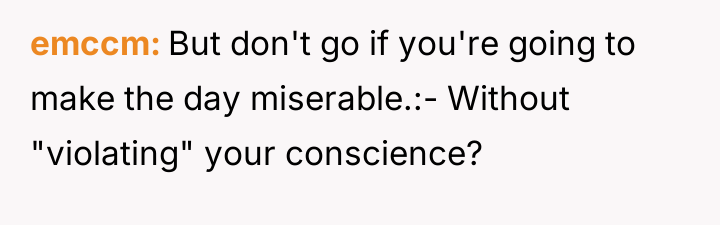
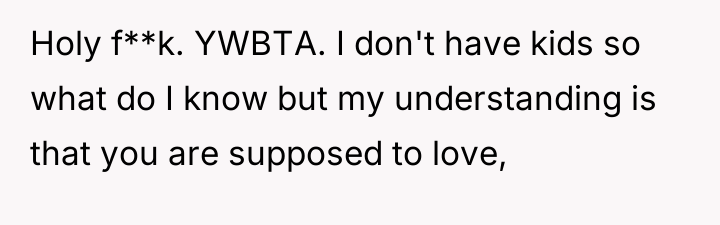
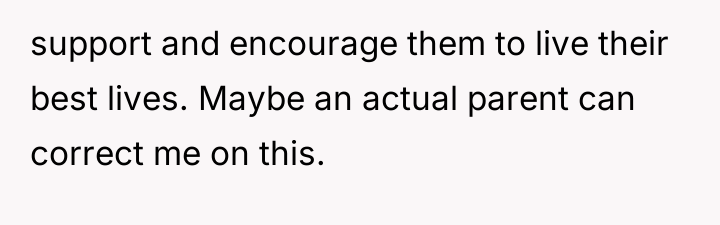


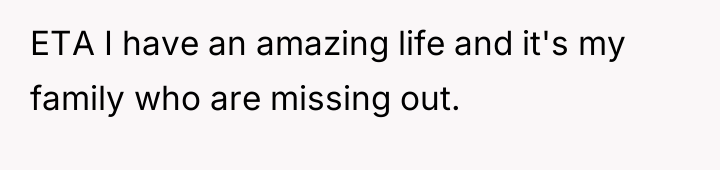

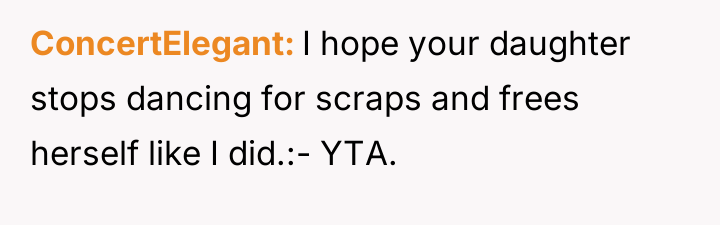
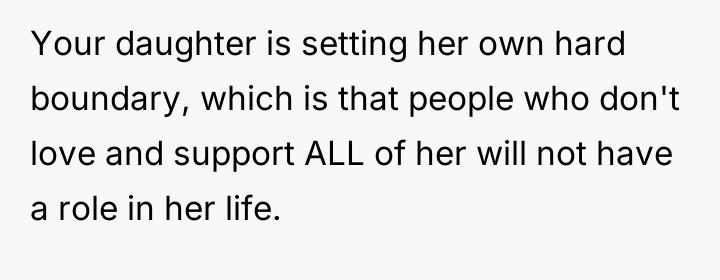



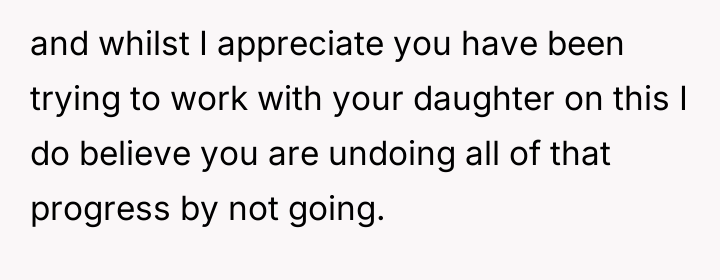
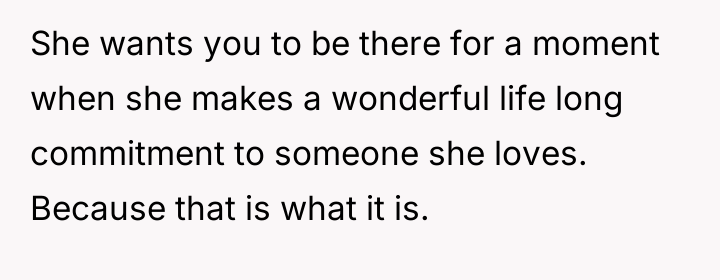


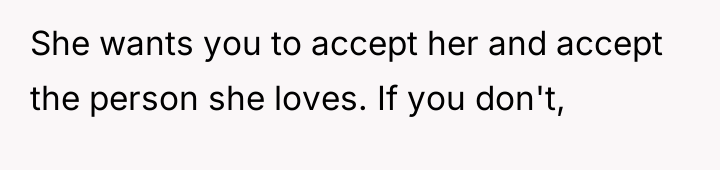
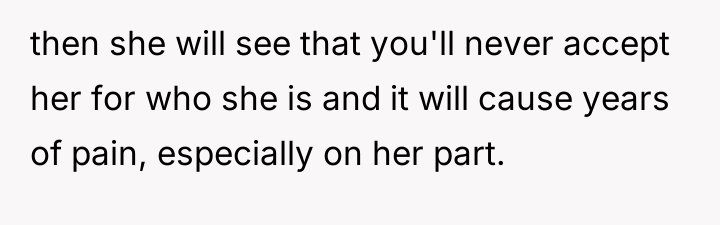

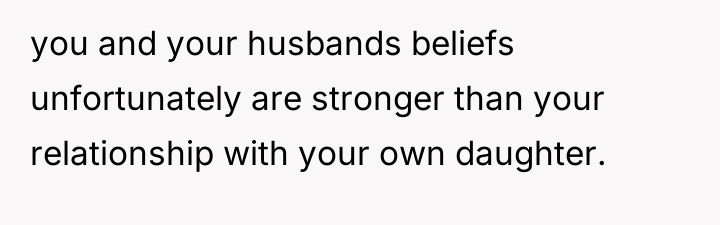
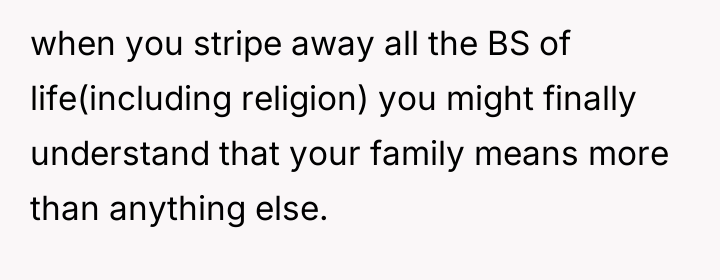


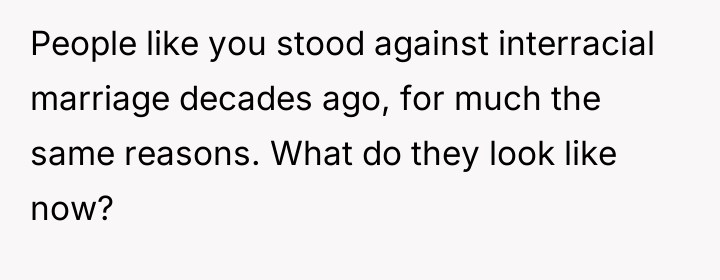

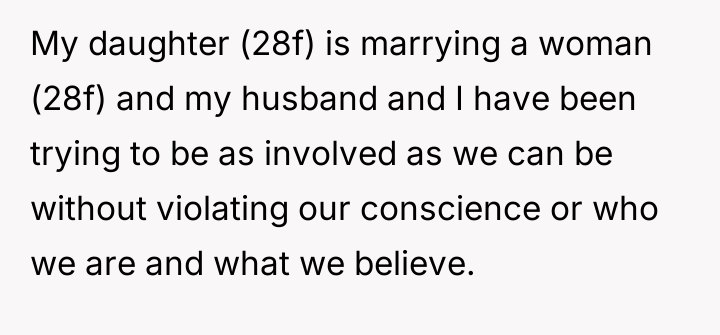
The parent couple is caught in a severe conflict: they desire to maintain a loving relationship with their daughter, but their deeply held personal beliefs prevent them from fully supporting her wedding plans. Their decision not to attend the wedding, despite acknowledging the progress made in therapy, has resulted in their daughter issuing a painful ultimatum, threatening total estrangement.
Given the daughter's ultimatum that attendance is mandatory for continued contact, versus the parents' steadfast refusal based on conscience, the central question is whether a strong moral boundary that prohibits participation in a significant life event justifies the complete loss of the parent-child relationship, or if the commitment to the relationship demands overriding those personal objections.