
AITA for sending my daughter to school in her pyjamas?
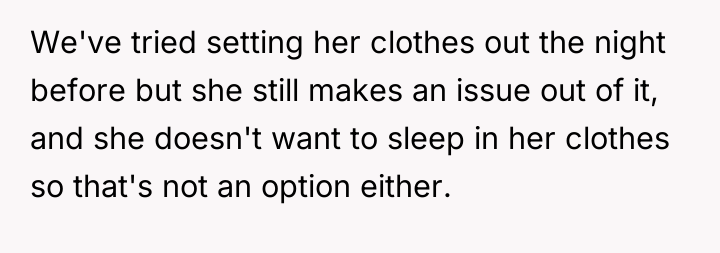
Every morning had become a battlefield between a father and his seven-year-old daughter, Elsie. The simple act of getting dressed for school spiraled into tears and tantrums, draining the father’s patience and energy before the day even began. Despite careful preparations, Elsie’s resistance only grew, leaving the father caught in a relentless struggle to start their day right.
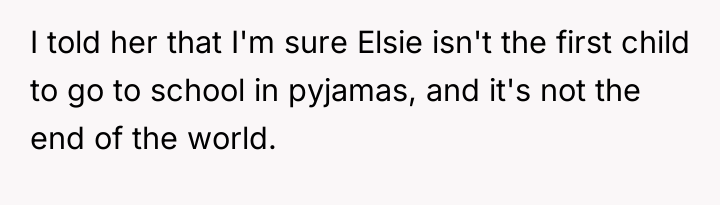
One morning, worn down by the constant fight, the father made a quiet, unexpected decision—he let Elsie stay in her pajamas. The shock on her face hinted at a new kind of freedom, and as they drove to school in silence, the unspoken realization began to dawn on both of them: sometimes, love means bending the rules to find peace.














Subscribe to Our Newsletter
As renowned researcher Dr. Brené Brown explains, “Boundaries are the distance at which I can love you and me simultaneously.”
This situation highlights a conflict between establishing necessary behavioral boundaries (getting dressed for school) and managing immediate emotional escalation. The OP's motivation appeared rooted in self-preservation—avoiding a fight due to low energy—rather than a calculated pedagogical strategy. Allowing the child to wear pajamas to school served as an immediate, high-stakes natural consequence. While natural consequences can be powerful teaching tools, their effectiveness depends heavily on delivery and the child's developmental stage. For a seven-year-old, this specific consequence involved social exposure, which the mother rightly identified as potentially humiliating or cruel, impacting the child’s sense of security and parental alignment.
The core issue extends beyond the pajamas; it involves differing parenting philosophies and a breakdown in communication between the parents regarding discipline. The father bypassed the boundary (getting dressed) by accepting the non-compliance, while the mother prioritized maintaining social presentation and avoiding perceived emotional harm to the child. For future instances, the OP should aim for proactive boundary setting (e.g., implementing a clear, non-negotiable consequence *before* the morning struggle, such as choosing between two pre-approved outfits or accepting a specific, less public consequence if refusing). In the moment of high stress, a better approach is to pause the interaction, re-establish calm, and then enforce a pre-agreed consequence rather than making an on-the-spot decision that feels punitive to the child and creates marital conflict.
REDDIT USERS WERE STUNNED – YOU WON’T BELIEVE SOME OF THESE REACTIONS.:
What started as a simple post quickly turned into a wildfire of opinions, with users chiming in from all sides.





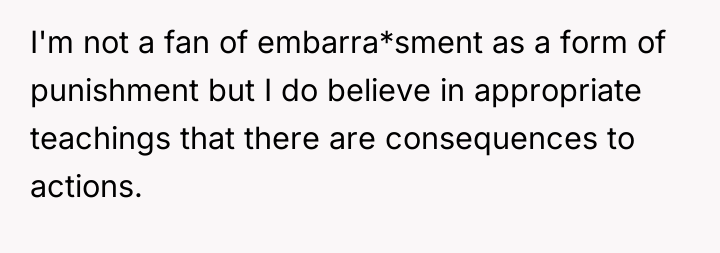




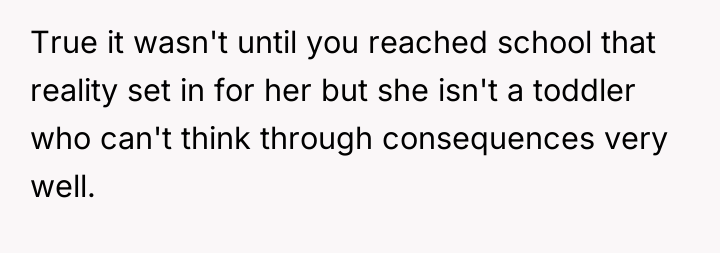
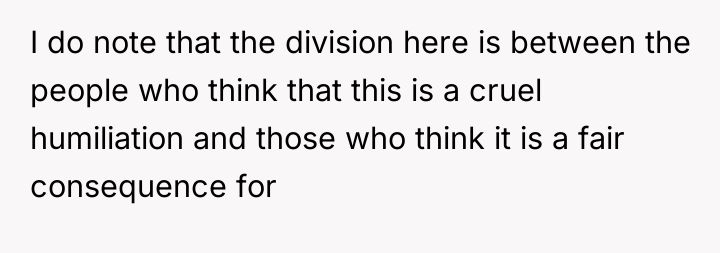






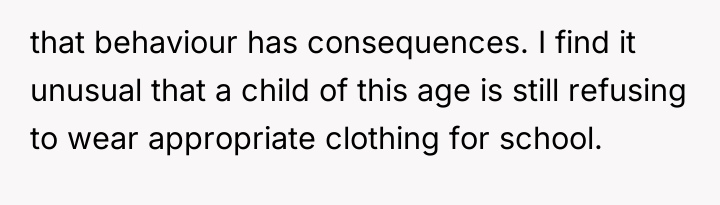

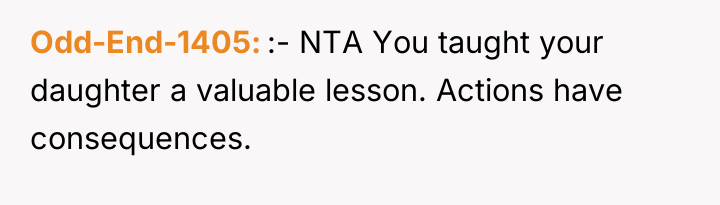

The original poster (OP) experienced significant frustration with their seven-year-old daughter's morning tantrums regarding getting dressed. In response to the recurring conflict, the OP chose a seemingly quick resolution by allowing the daughter to go to school in her pajamas, which temporarily solved the morning stress but caused a major disagreement with his wife, who viewed the action as embarrassing and detrimental to their parenting image.
Was the father's decision to allow his daughter to attend school in pajamas an effective, harmless lesson in natural consequences, or was it an emotionally punitive action that undermined parental unity and unnecessarily exposed the child to social discomfort? Should consistency in routine outweigh the immediate need to de-escalate a morning conflict?