
AITA? I refuse to openly help and cooperate with my stepchildren’s bio dad who hurt all of us.
In the fragile tapestry of blended families, love and loyalty are tested by shadows from the past. A man steps into a life fractured by absence and conflict, striving to protect and nurture the children who have known too much pain and uncertainty. His commitment is met with fierce resistance from a father who refuses to let go, igniting a battle that threatens to unravel the fragile peace they have built.
Amidst legal battles, emotional turmoil, and attempts to sabotage their unity, the true strength of this family emerges—not from blood alone, but from the bonds forged through unwavering support and courage. This is a story of resilience, where love fights to heal wounds and redefine what family truly means in the face of relentless adversity.



Subscribe to Our Newsletter
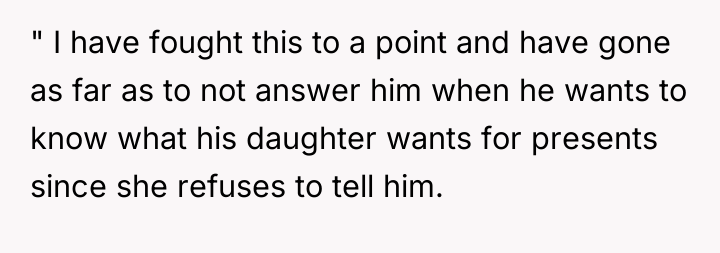
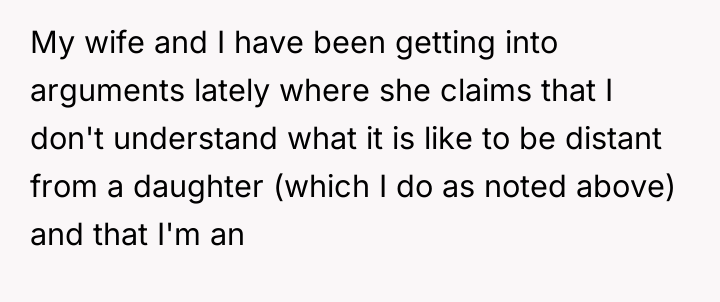
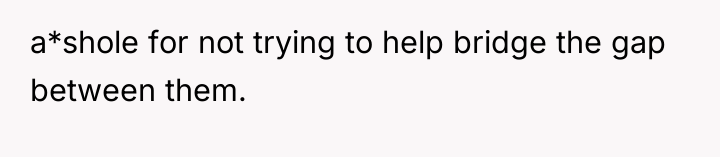
As renowned family therapist Dr. Laura Markham explains, “The key to effective parenting is connection, but connection must be balanced with appropriate boundaries.” In this situation, the OP and his wife are struggling with establishing boundaries regarding a third party—the biological father—which is impacting their primary relationship.
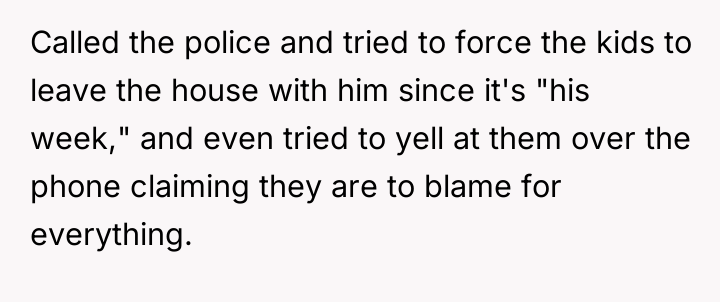
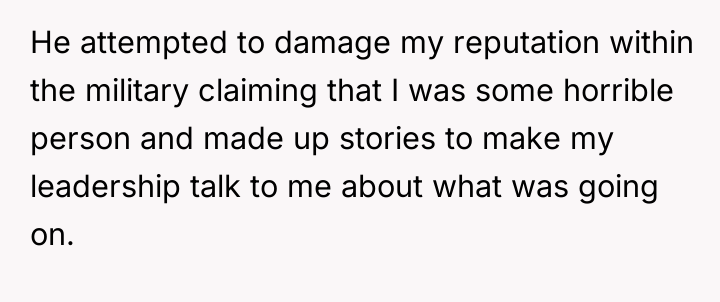
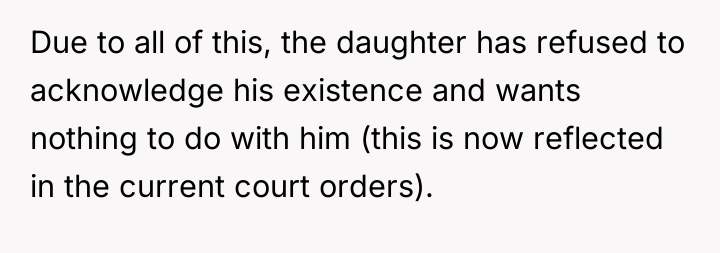
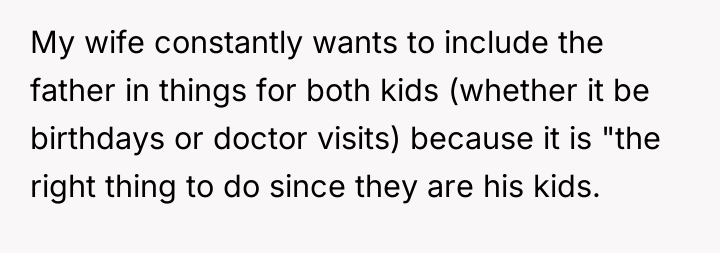
The OP is acting from a place of protection, recognizing the negative impact the biological father has had (including harassment and reputational damage) and respecting his stepdaughter’s stated wishes. The stepdaughter’s refusal to acknowledge her father, reinforced by court orders, suggests the relationship is currently detrimental to her emotional health. Conversely, the wife’s motivation stems from a desire to adhere to societal expectations of inclusion or perhaps a residual feeling that maintaining a tie, however tenuous, is legally or morally superior to severing it entirely. This disparity highlights a classic conflict between emotional safety (OP's perspective) and perceived procedural correctness (wife's perspective).
The OP’s current actions—refusing to facilitate gift exchanges—are appropriate in validating the stepdaughter’s boundary, especially given the father's history of aggressive behavior. However, the persistent arguments indicate a failure in collaborative boundary-setting with the wife. A constructive recommendation is for the couple to seek marital counseling specifically focused on blended family dynamics and external parent management. They must align on *how* and *if* contact occurs, ensuring both partners feel heard, rather than allowing the conflict to devolve into personal attacks about who understands distance better.
AFTER THIS STORY DROPPED, REDDIT WENT INTO MELTDOWN MODE – CHECK OUT WHAT PEOPLE SAID.:
This one sparked a storm. The comments range from brutally honest to surprisingly supportive — and everything in between.
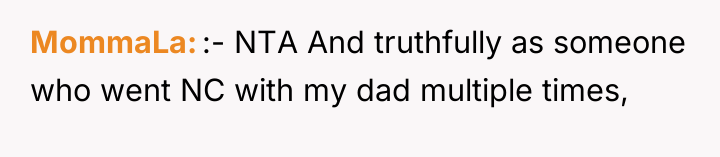
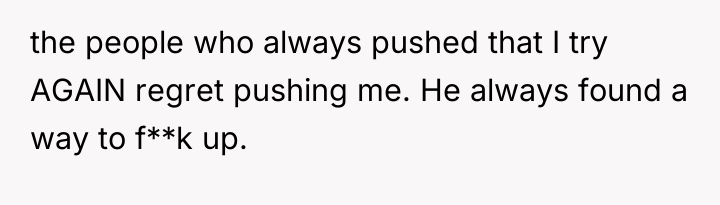
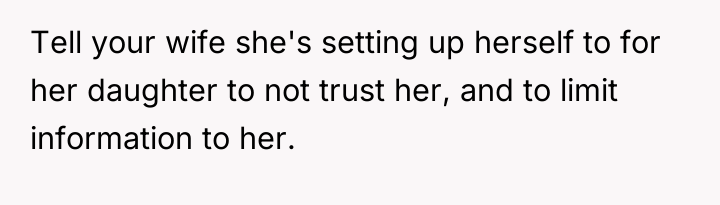
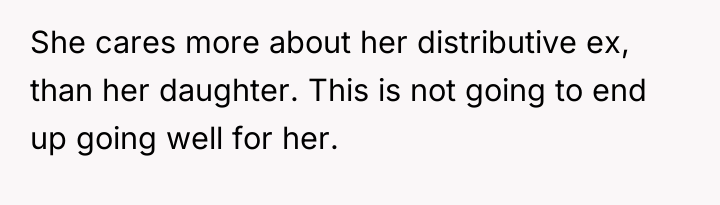
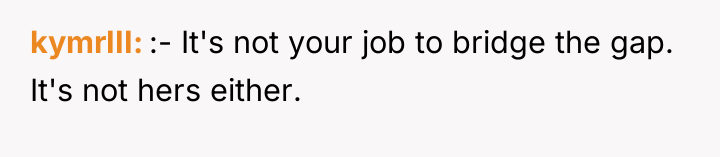

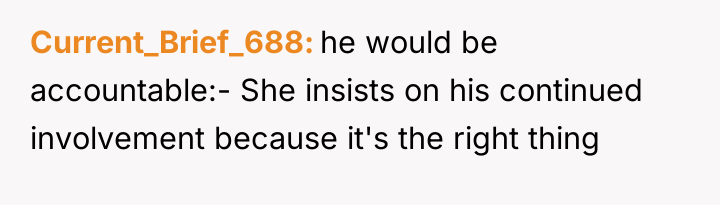

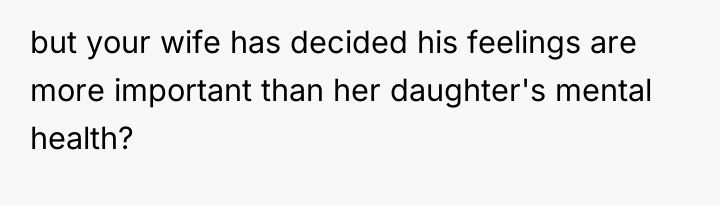

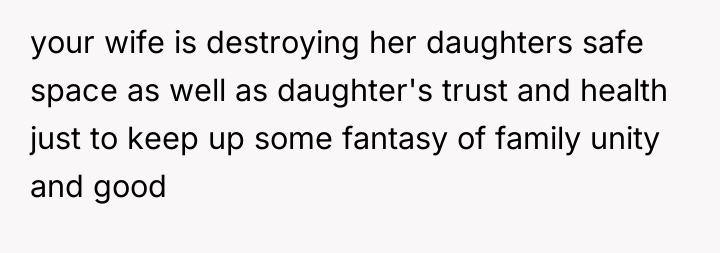
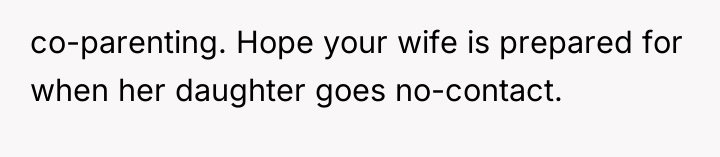


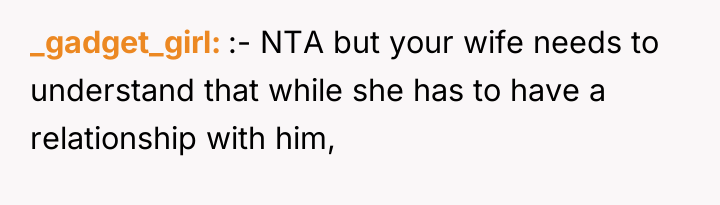
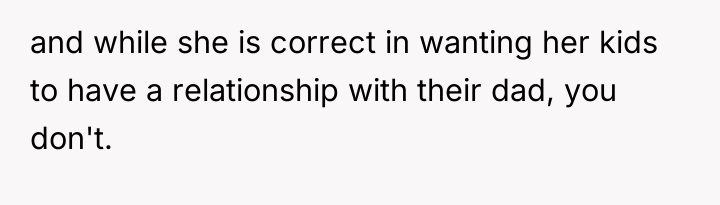
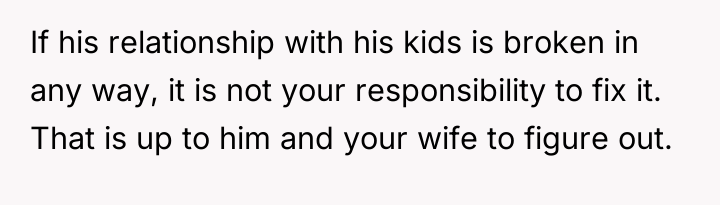
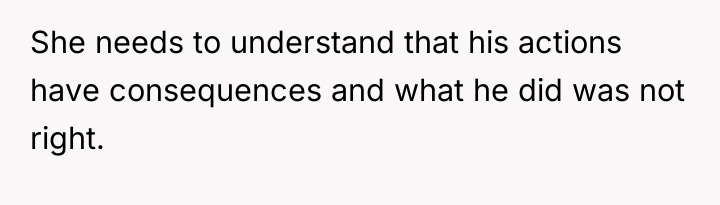
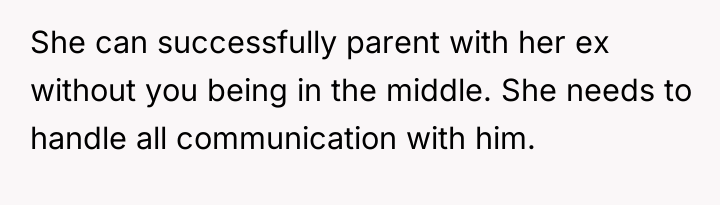
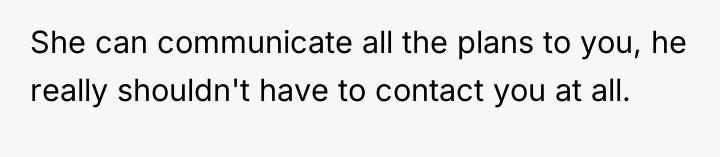
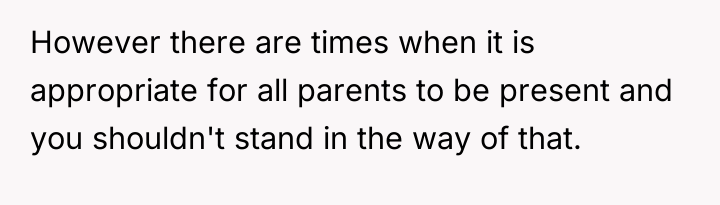
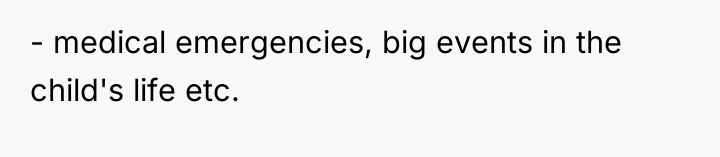
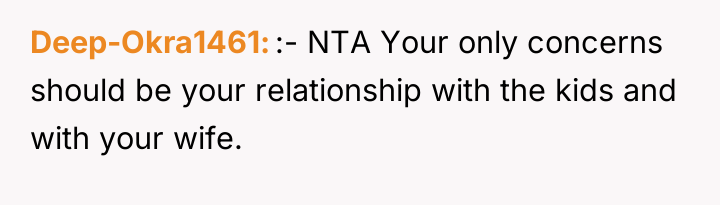
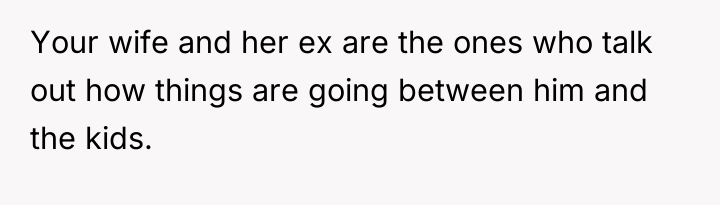
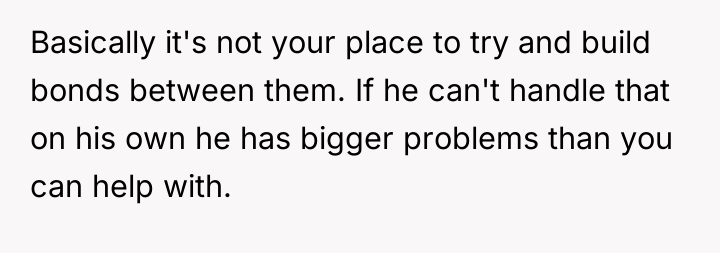

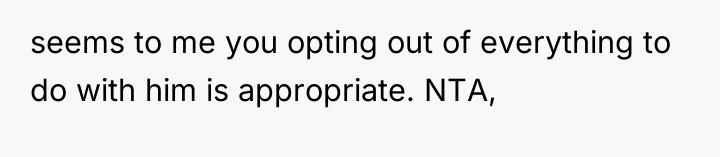
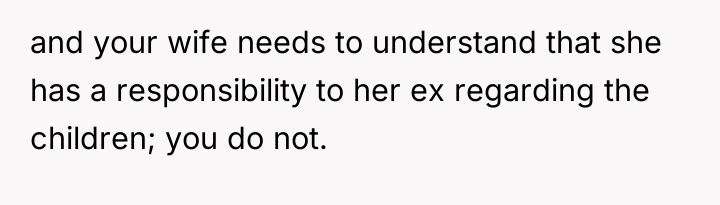
The original poster (OP) is in a difficult position, prioritizing his stepdaughter's clear desire to reject contact with her biological father over his wife's insistence on maintaining some form of connection for the sake of doing what she believes is 'the right thing.' The central conflict arises from differing approaches to managing a relationship with an estranged and hostile parent, contrasting the OP's protective stance with his wife's desire for inclusion.
When one child has actively distanced themselves from a biological parent due to past harm or neglect, should the stepparent support that boundary completely, or is the stepparent obligated to facilitate contact based on the custodial parent's belief that inclusion is necessary for the child's long-term well-being? Where does a stepparent's duty to protect end and their duty to support the spouse's parenting philosophy begin?