
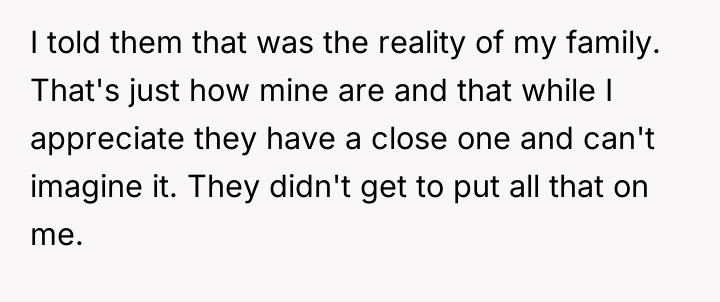
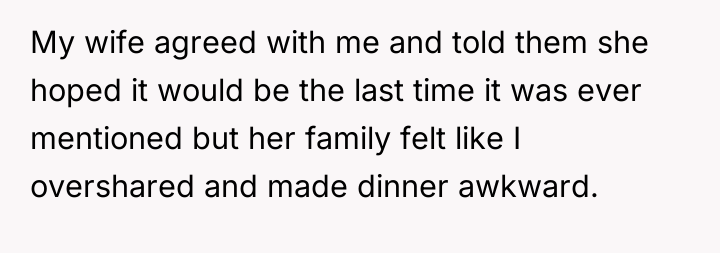
AITA for oversharing to my ILs when they called me on being a typical guy who doesn't put effort into maintaining his family relationships?
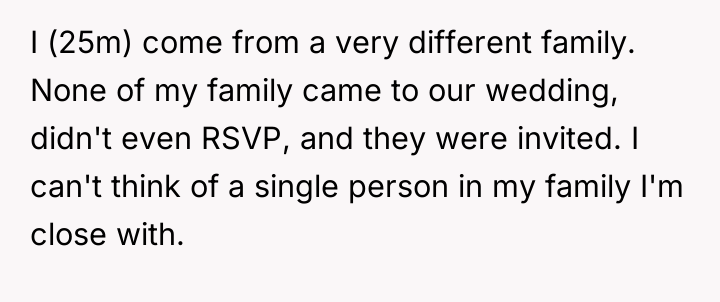
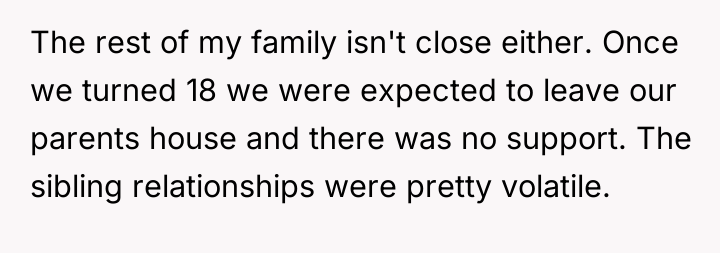
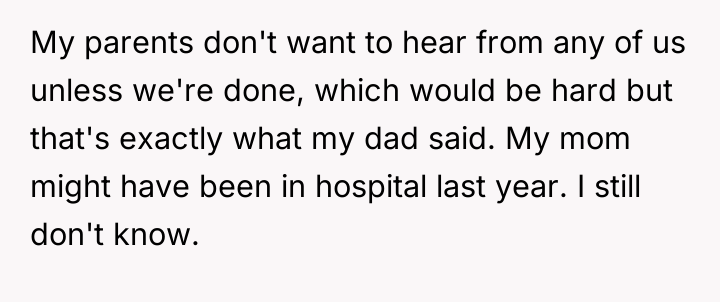
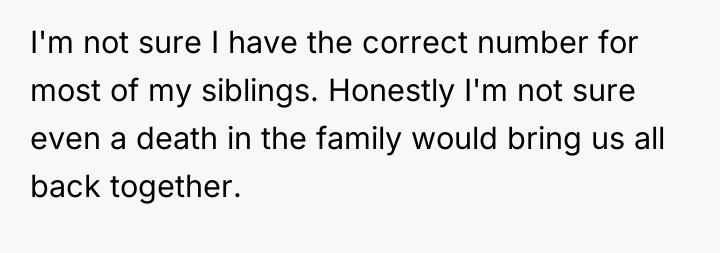
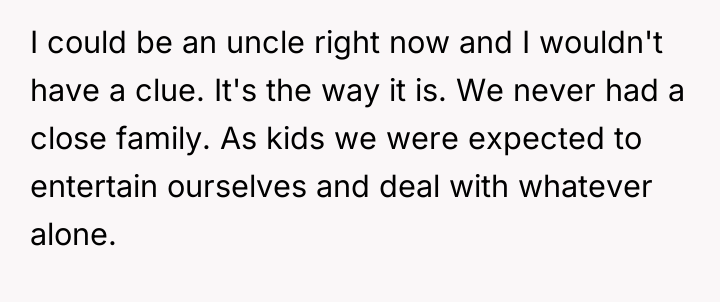
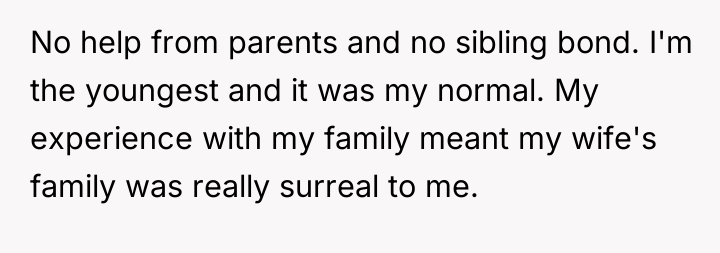
He carries the weight of a fractured family, where absence and silence replaced love and support. His wedding day was marked not by celebration from those closest to him, but by empty seats and unanswered invitations—a stark contrast to the warmth and unity he witnesses in his wife's world.
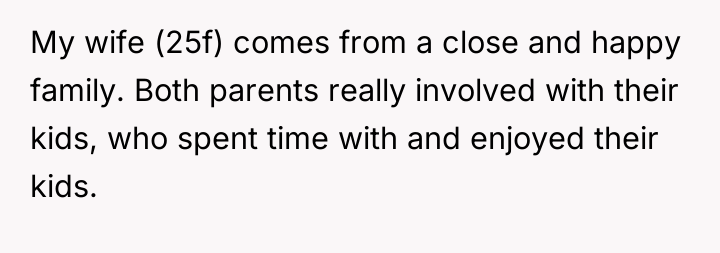
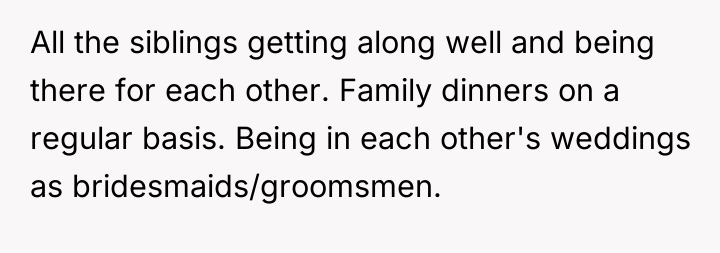
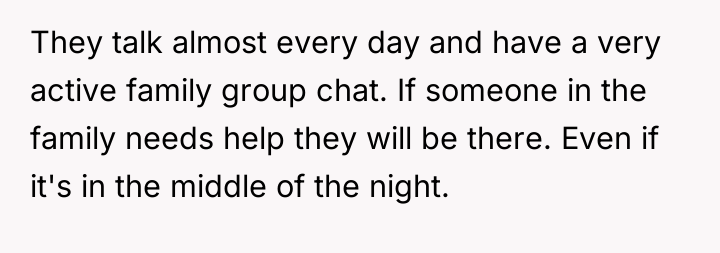
She comes from a haven of connection and care, a tight-knit family bound by shared moments and unwavering support. Their lives are woven together with laughter, daily conversations, and a promise to be there for one another, even in the darkest hours—a reality that highlights the deep void he feels in his own family story.


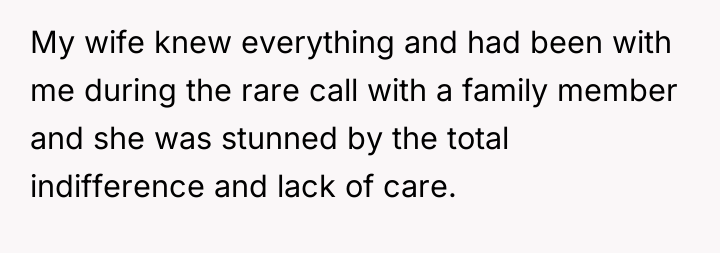

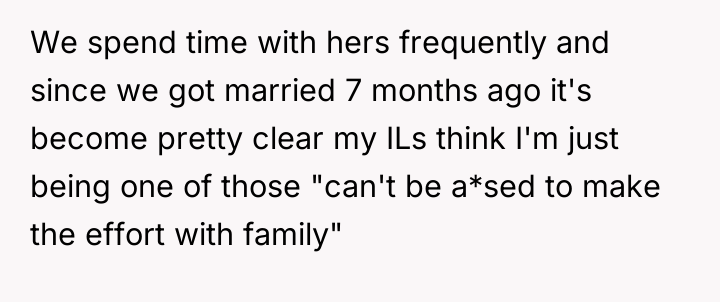
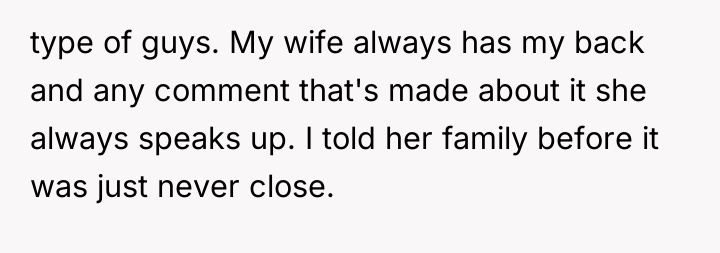
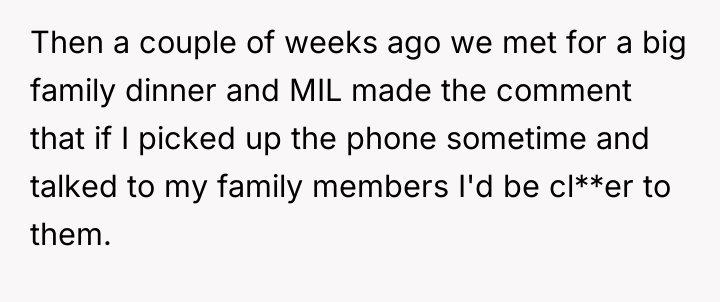

Subscribe to Our Newsletter
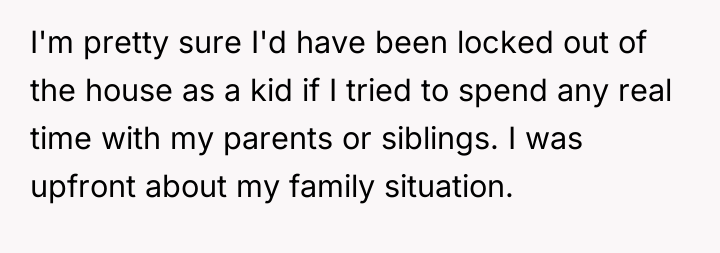
As renowned researcher Dr. Brené Brown explains, “Boundaries are the distance at which I can love you and me simultaneously.” In this scenario, the OP is navigating two vastly different sets of relational boundaries and expectations. The wife's family operates under a high-contact, high-involvement paradigm, where effort is equated with care, and a lack of contact is interpreted as a personal failing on the OP's part. The OP, conversely, comes from a zero-contact, high-independence paradigm where effort was actively discouraged or ignored by his parents.
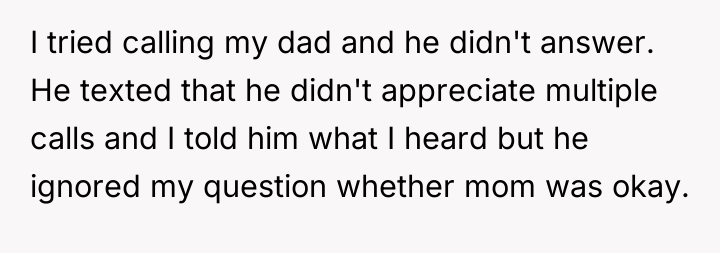
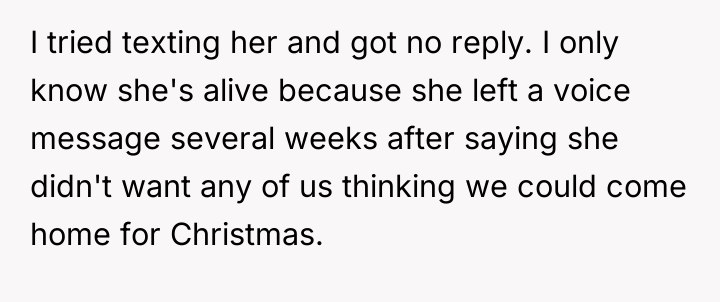
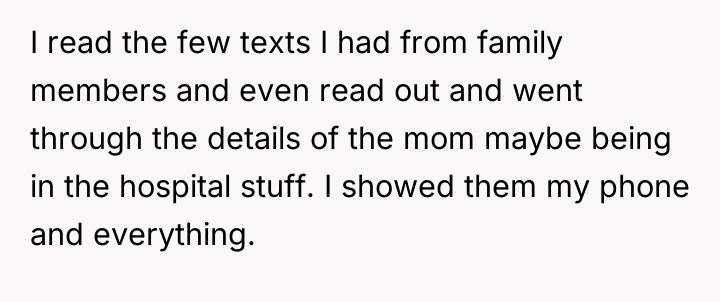
The OP's act of oversharing—presenting text messages and recounting the hospital incident—was a direct, albeit defensive, attempt to establish a boundary against the in-laws' judgment. He was trying to force them to accept his reality rather than judge it against their own. However, introducing such raw, painful data into a family dinner shifts the emotional climate, turning a social interaction into an intervention or an exposé. While his intent was self-defense, the execution likely felt overwhelming and invasive to the listeners, hence the feeling that he 'overshared' and made dinner awkward.
The OP's actions were understandable as a defense mechanism against unfair criticism, but perhaps tactically ineffective. A more constructive approach might involve reiterating that his relationship is distant, not broken by choice, and then redirecting the conversation, rather than escalating with evidence. The recommendation is for the OP and his wife to present a unified, calm front to the in-laws, clearly stating the established reality of his family's boundaries, and firmly stating that further discussion or critique of his efforts is unwarranted.
THIS STORY SHOOK THE INTERNET – AND REDDITORS DIDN’T HOLD BACK.:
It didn’t take long before the comment section turned into a battleground of strong opinions and even stronger emotions.

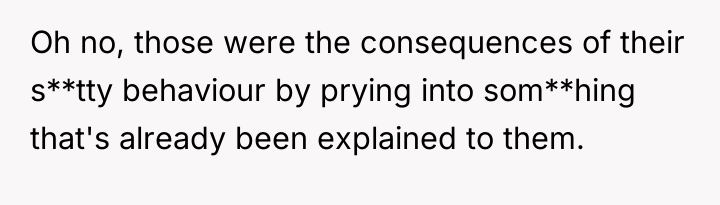

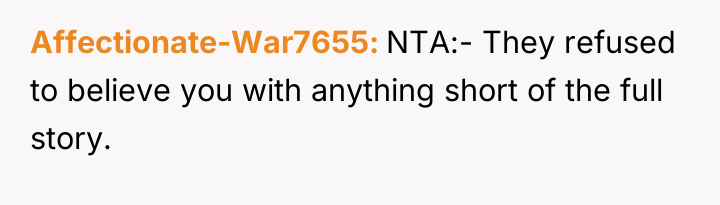

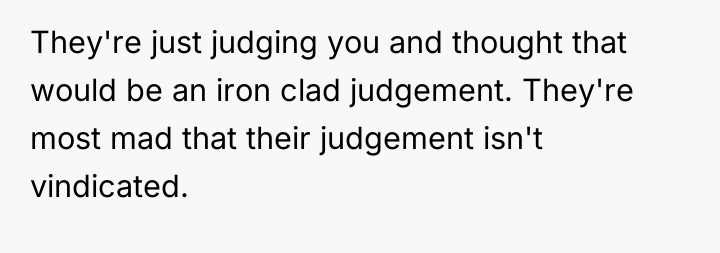

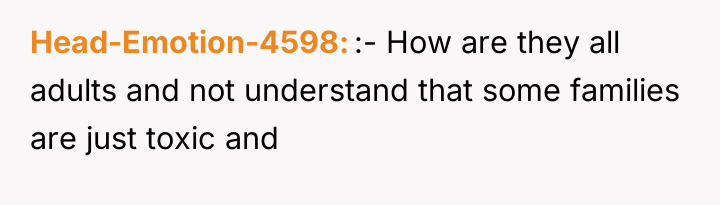
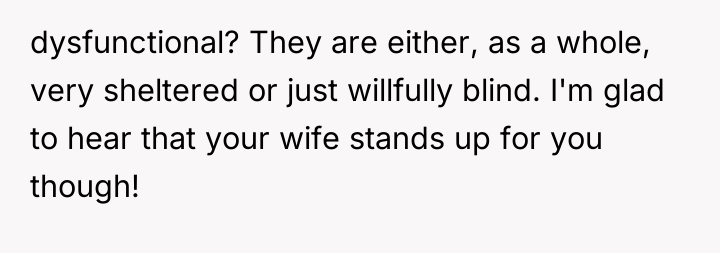
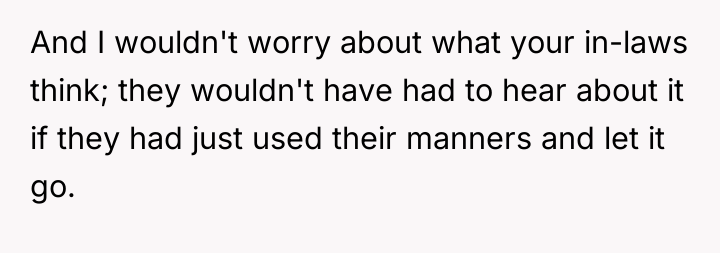



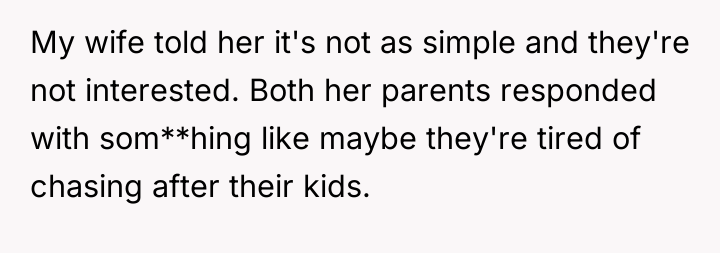
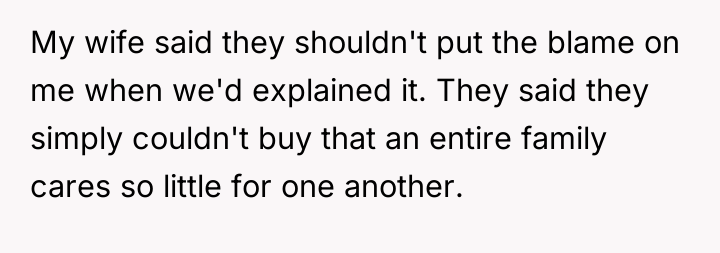
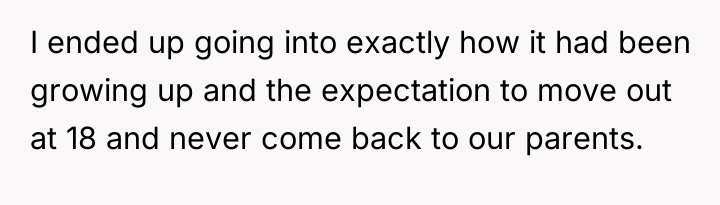
The original poster (OP) is caught between the deeply ingrained family norms of their wife's highly involved, supportive family and the reality of their own distant, emotionally unavailable family structure. The central conflict arises when the wife's parents judge the OP's lack of contact with his family, failing to accept the severe emotional neglect and distance he experienced growing up, despite the OP providing detailed evidence of this reality.
Is the OP justified in sharing the painful details of his family situation to defend his character against his in-laws' unfair assumptions, or did this disclosure violate an unspoken boundary regarding the intimacy of family trauma and unnecessarily create tension during a social gathering?