
AITA for refusing to split the cost of a $1000 bed bug treatment with my roommate when she’s the one who brought them in?
When compassion becomes a silent torment, the invisible battle begins. Living with someone who dedicates her life to helping those in need should be a source of pride, yet it has brought an unexpected nightmare into their shared sanctuary—first lice, now bed bugs. The very kindness that defines her work has woven a thread of chaos, threatening the delicate balance of their home and testing the limits of empathy and fairness.
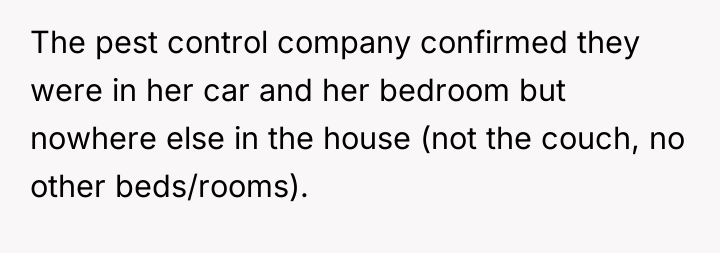
Caught in the crossfire of empathy and self-preservation, the other roommate faces a heartbreaking dilemma. The infestation is confined, yet the threat looms over their entire living space, demanding a costly and invasive solution. As the lines blur between shared responsibility and personal accountability, the silent tension grows, revealing how compassion can sometimes come at an unbearable price.








Subscribe to Our Newsletter
As renowned organizational psychologist Dr. Terri Givens notes, “Healthy boundaries define where you end and the other person begins, especially when dealing with shared resources or risks.”
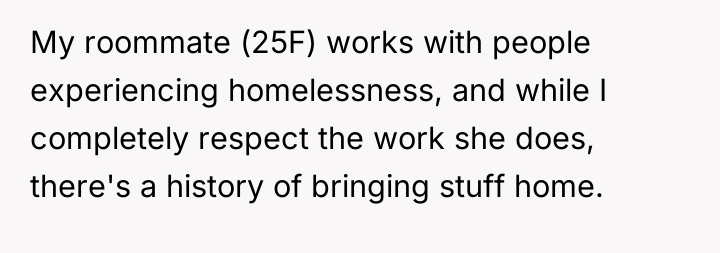
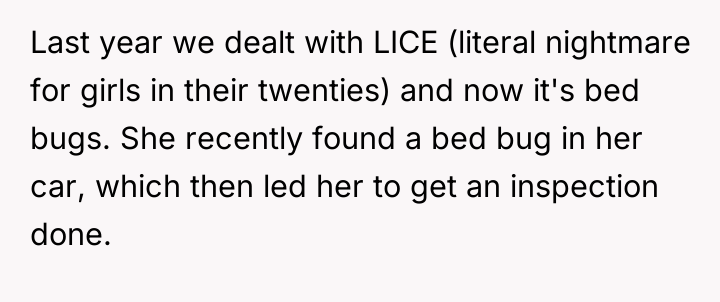
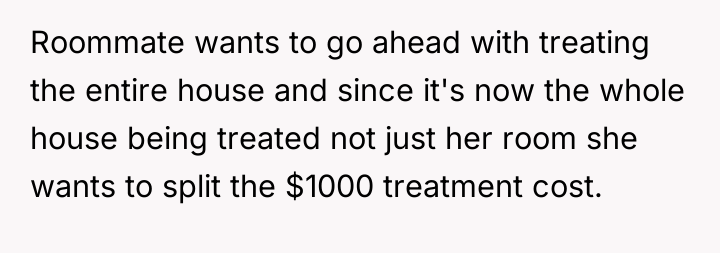
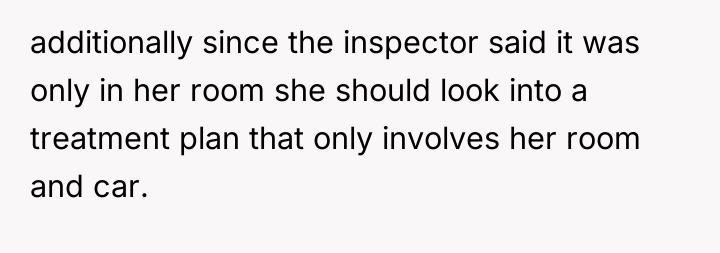
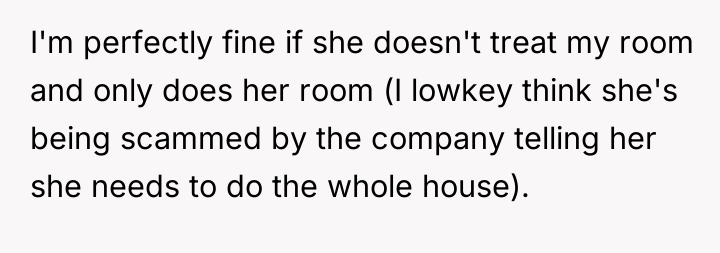
This situation centers on the negotiation of boundaries related to personal responsibility versus shared living risks. The OP's argument is rooted in accountability: since the roommate introduced the hazard (bed bugs) from an external source (her work), the financial burden should solely rest with her. This perspective prioritizes cause and effect, especially since the initial assessment suggested the infestation was localized to the roommate's room and car. The OP also exhibits skepticism toward the pest control company's recommendation to treat the whole house, suggesting a potential power imbalance where the roommate is accepting advice that benefits her desire to offload costs.
The roommate's perspective, however, likely stems from the immediate threat to the entire dwelling. Bed bugs are notorious for spreading easily, and treating only one room often leads to recurrence, necessitating a full treatment for long-term resolution. Her insistence on splitting the cost reflects a belief that since the entire home will be disrupted and potentially exposed, the resolution becomes a shared responsibility of the tenancy. The OP's refusal, while understandable from a fairness standpoint, creates significant relational strain and potentially jeopardizes the viability of the living arrangement.
The OP's initial reaction to refuse payment entirely is appropriate in principle if the infestation was strictly localized. However, a more constructive approach would be to negotiate a tiered contribution. For instance, the roommate covers 100% of her room and car treatment, and if the full-house treatment is deemed absolutely necessary by an independent second opinion, the OP could agree to a smaller, one-time contribution (perhaps 25% or 30%) as a gesture of goodwill to maintain the living situation, rather than demanding she pay nothing.
HERE’S HOW REDDIT BLEW UP AFTER HEARING THIS – PEOPLE COULDN’T BELIEVE IT.:
The thread exploded with reactions. Whether agreeing or disagreeing, everyone had something to say — and they said it loud.






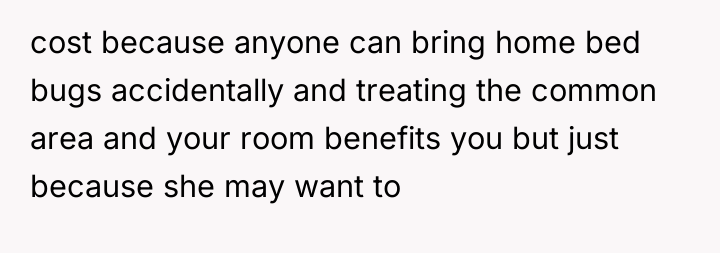
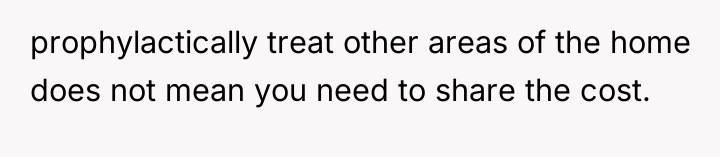
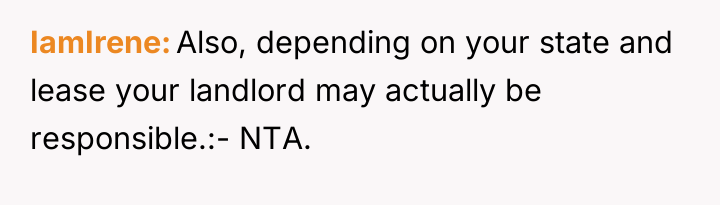




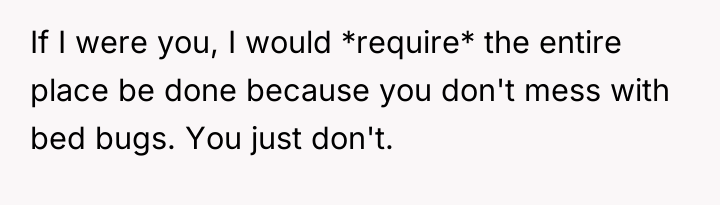







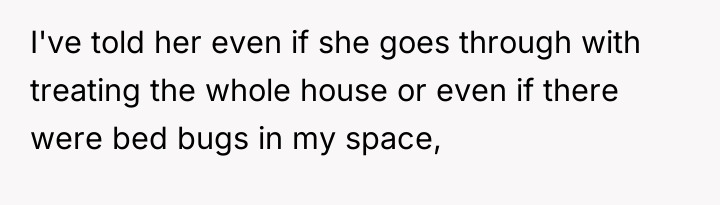
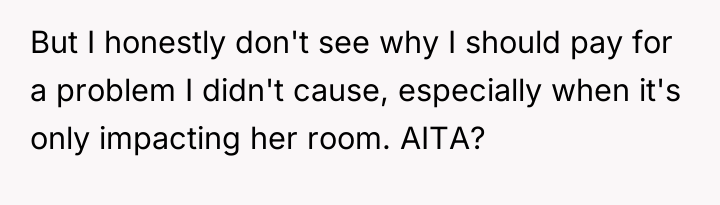
The original poster (OP) feels strongly that they should not bear any cost for the bed bug extermination because the infestation originated from the roommate's professional activities and was initially confined to the roommate's personal space. The central conflict arises from the disagreement over shared responsibility when an external problem affects a shared living environment, complicated by the roommate's insistence on treating the entire house based on professional advice that the OP doubts.
Given that the infestation was traced to one person's area, is it fair to demand the non-offending roommate contribute equally to the cost of treating the entire shared residence, or does the nature of shared tenancy mandate splitting the expense for collective peace of mind and safety?