
AITA for not cleaning before guests came over because I was tired?
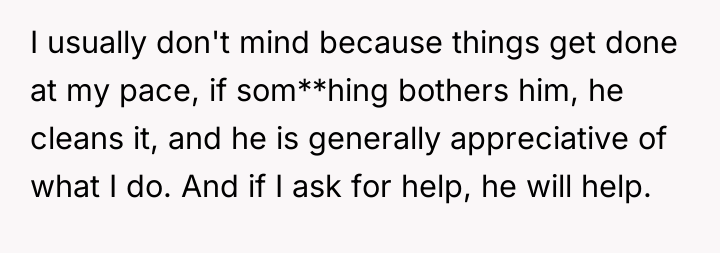
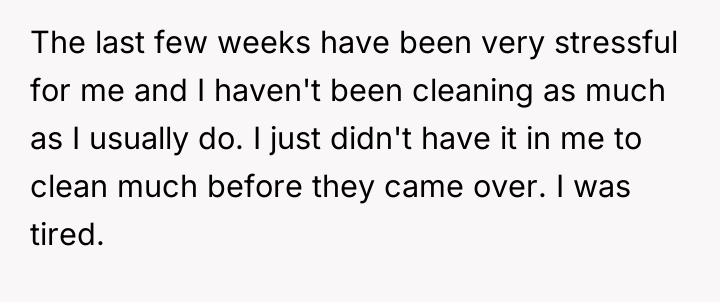
She carried the weight of the household chores quietly, finding comfort in the rhythm of managing everything at her own pace, grateful for the small help her husband offered. But beneath the surface of her composed exterior, exhaustion and stress were quietly eroding her strength, leaving her too drained to keep up with the demands she once met with ease.
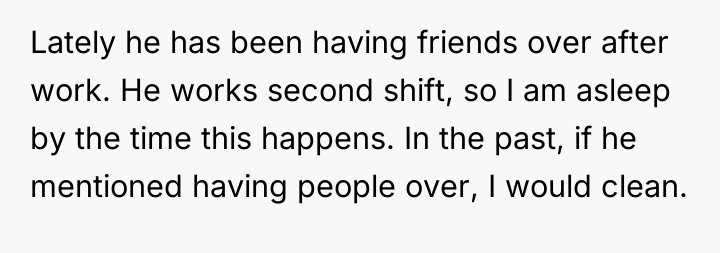
When her husband started bringing friends over late at night, disrupting the fragile balance she maintained, it felt like a silent fracture in their shared world. The once unspoken understanding of her efforts seemed to dissolve into the night, leaving her alone with the heavy ache of unmet expectations and a growing sense of isolation.






Subscribe to Our Newsletter
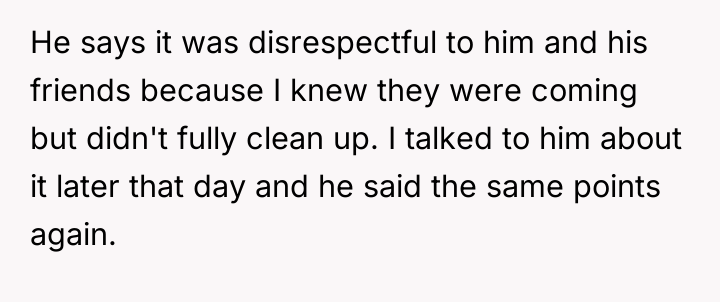
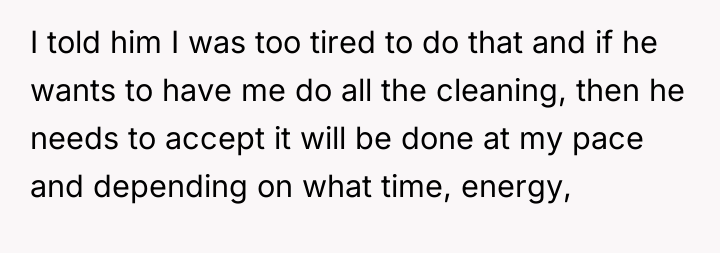
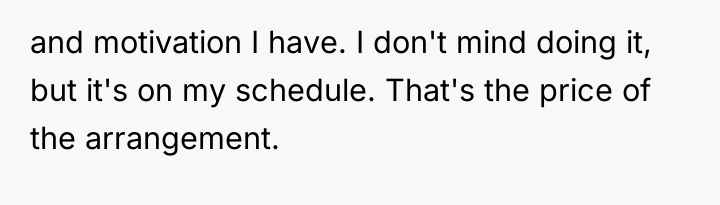
As renowned researcher Dr. Brené Brown explains, “Boundaries are the distance at which I can love you and me simultaneously.” In this situation, the dynamic hinges on unspoken and inconsistently applied boundaries regarding shared domestic labor and social hosting expectations. The OP operates under a system where they control the pace and scope of their labor, while the husband accepts this arrangement because things get done eventually. However, hosting guests introduces a public performance element that disrupts this private agreement, leading the husband to impose an external standard of cleanliness (vacuuming, mopping) that the OP was unwilling or unable to meet due to fatigue.
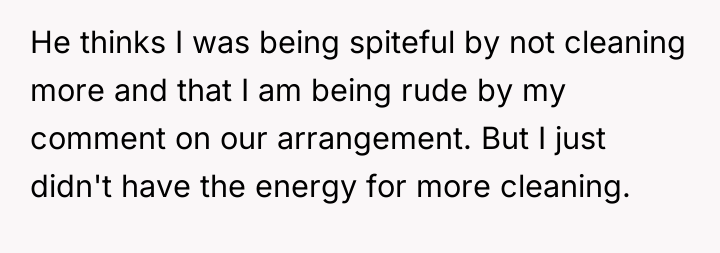
The husband’s reaction suggests a misalignment of emotional labor expectations. While the OP handles the bulk of daily cleaning, hosting often requires an immediate 'show ready' state. His texts indicating embarrassment highlight that his need for social approval superseded his understanding of his wife's current capacity. The OP’s response—asserting that the arrangement means cleaning is done only on her timeline—while factually correct under their existing agreement, was delivered defensively and felt spiteful to the husband because it dismissed his immediate social need entirely.
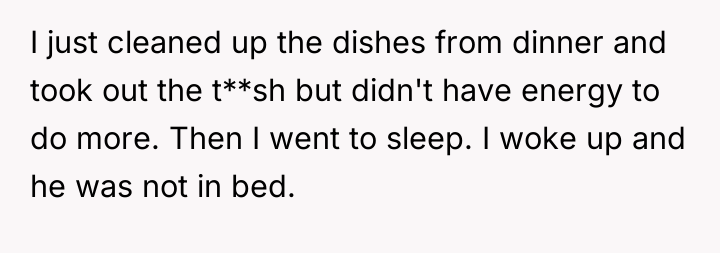
The OP's actions were understandable given their stress and fatigue; they fulfilled the minimum domestic obligation (dishes/trash) required for basic function. However, the issue stems from poor proactive communication when social plans conflict with energy levels. A constructive future approach would involve the OP clearly communicating their physical limits when notified of guests, perhaps negotiating a smaller, shared task they *can* manage immediately, or stating directly that hosting preparation is not possible due to exhaustion, rather than silently scaling back effort and risking resentment from both parties.
THIS STORY SHOOK THE INTERNET – AND REDDITORS DIDN’T HOLD BACK.:
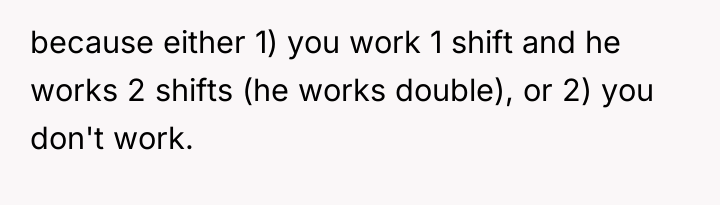
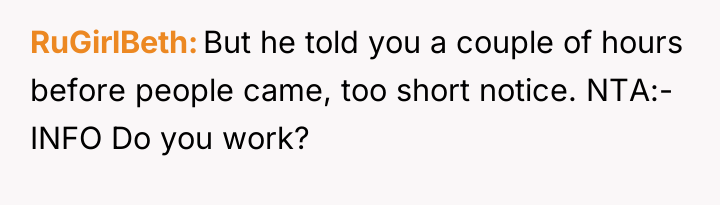
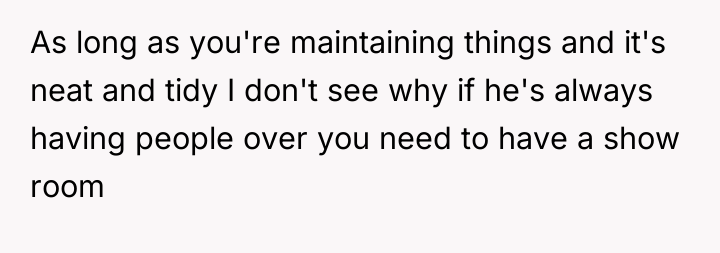
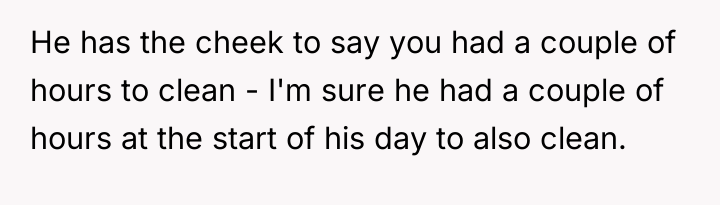
Users didn’t stay quiet — they showed up in full force, mixing support with sharp criticism. From calling out bad behavior to offering real talk, the comments lit up fast.
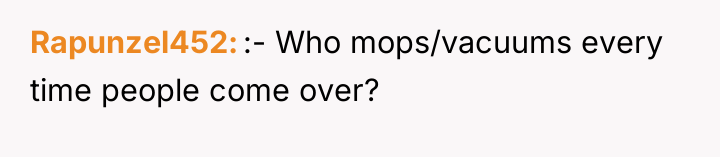



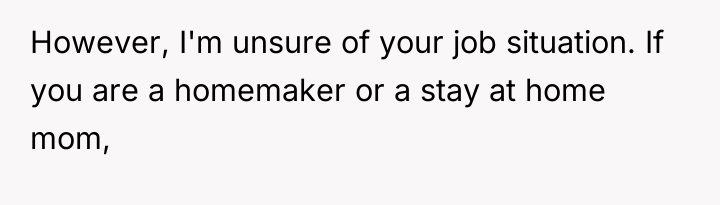


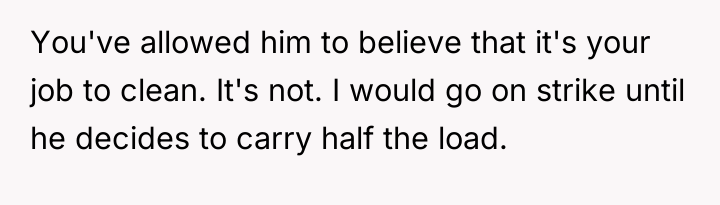
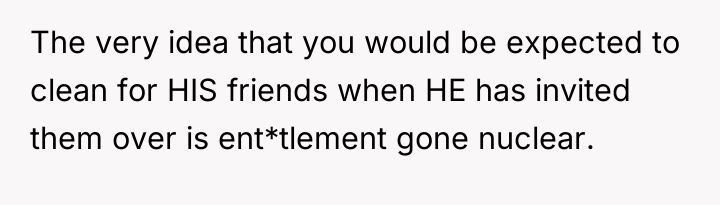








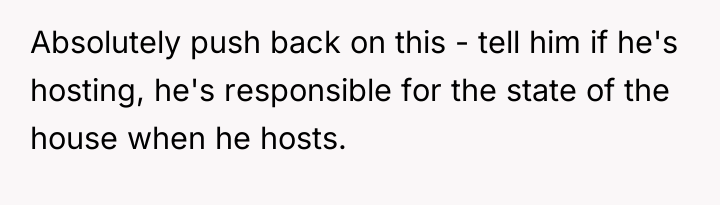
The original poster (OP) feels exhausted and believes their established, informal agreement regarding household chores—where they do the majority of the work at their own pace—should have been respected, especially given their low energy levels. The husband, however, prioritized his social presentation and felt disrespected when the house was not cleaned to a specific standard before his guests arrived.
Was the OP justified in prioritizing their immediate need for rest over the perceived social obligation to clean for their husband's guests, or did the last-minute notification imply a temporary expectation of readiness that the OP failed to meet?