
AITA for refusing to chip-in for alcohol at a suprise party?
In the quiet anticipation of a surprise, friendships are tested not by grand gestures but by the small, unspoken expectations that linger beneath the surface. When the promise of celebration collides with the reality of fairness, the tension between inclusion and exclusion sharpens, revealing deeper struggles hidden within simple party plans.
Caught between loyalty and principle, one friend finds himself standing at a crossroads where silence feels like complicity, and speaking up risks fracture. In the fragile balance of generosity and respect, the true cost of friendship becomes heartbreakingly clear.

Subscribe to Our Newsletter
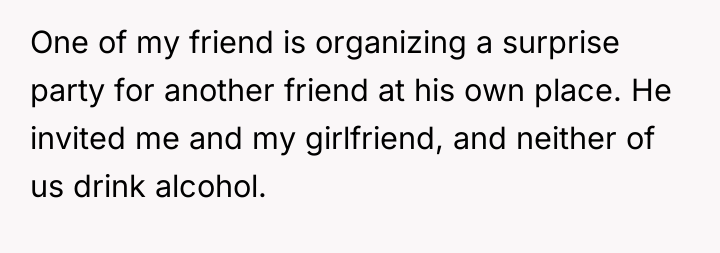
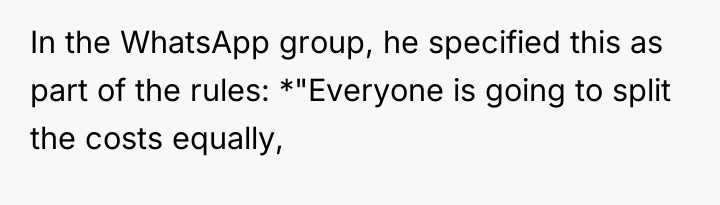
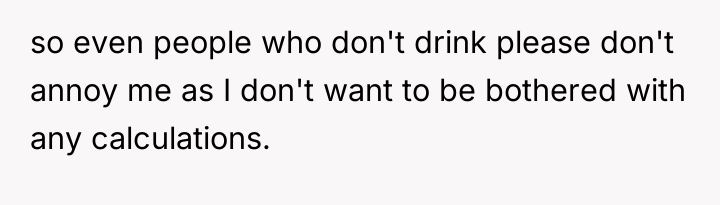
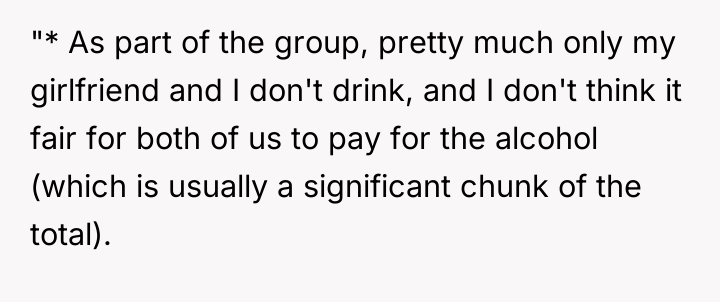
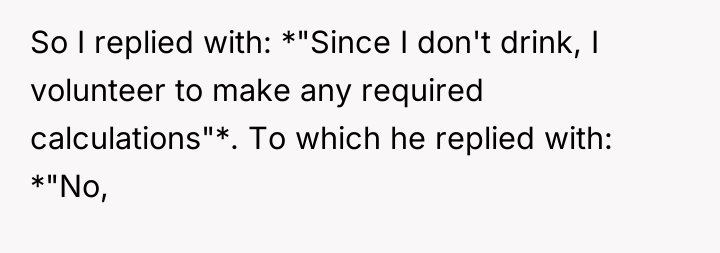
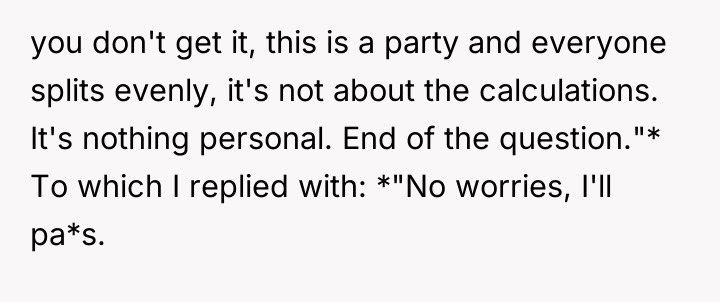
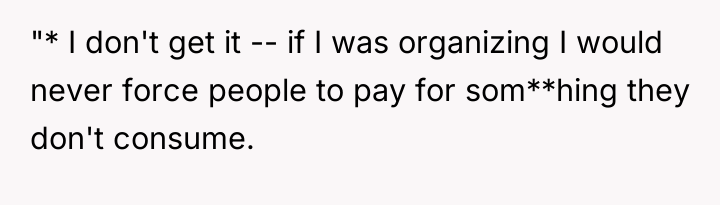
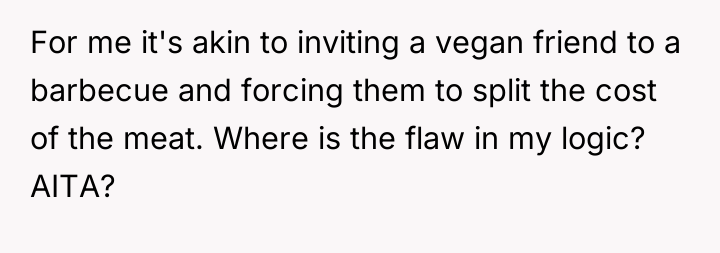
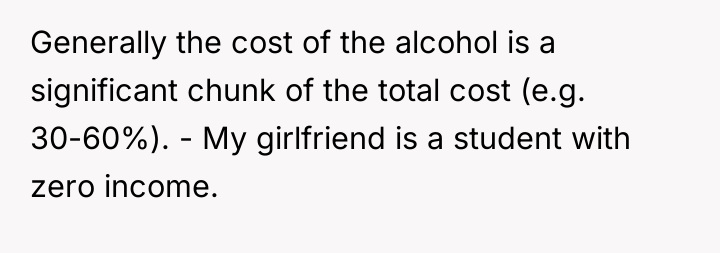
As renowned researcher Dr. Brené Brown explains, “Boundaries are the distance at which I can love you and me simultaneously.” This situation highlights a severe misalignment in personal boundaries regarding shared expenses and social obligation. The organizer established a rigid boundary focused entirely on administrative simplicity ("I don't want to be bothered with any calculations"), viewing the group cost split as non-negotiable, regardless of individual consumption. The OP, conversely, established a boundary based on fairness and resource equity, feeling obligated to pay for items they actively avoid.
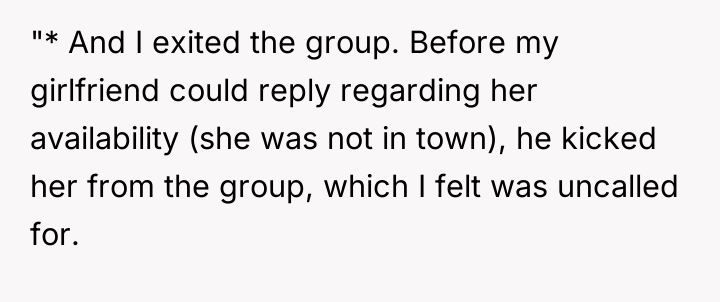
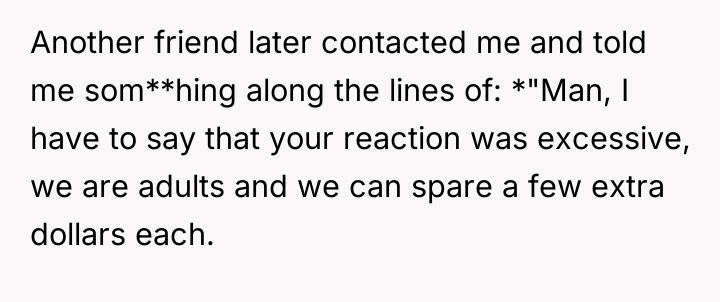
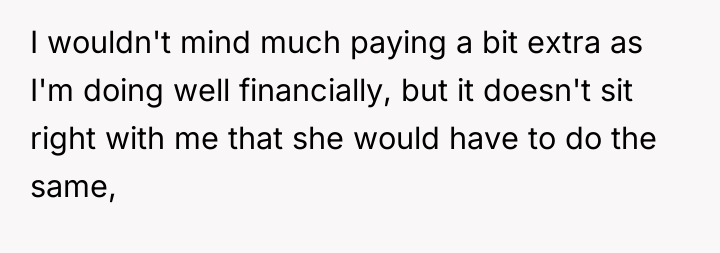
The organizer’s reaction—demanding compliance and then aggressively kicking the girlfriend from the group after the OP withdrew—suggests an underlying motivation that prioritized control and adherence to his plan over accommodating a reasonable objection from two non-drinking members. The insistence that participants "spare a few extra dollars" minimizes the OP's principled stance, especially when considering the financial context of the girlfriend, a student. This dynamic shifts from logistical planning to emotional coercion, where dissent is met with exclusion.
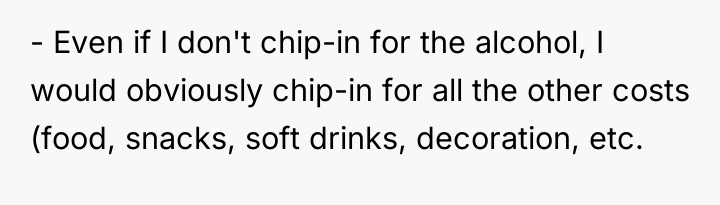
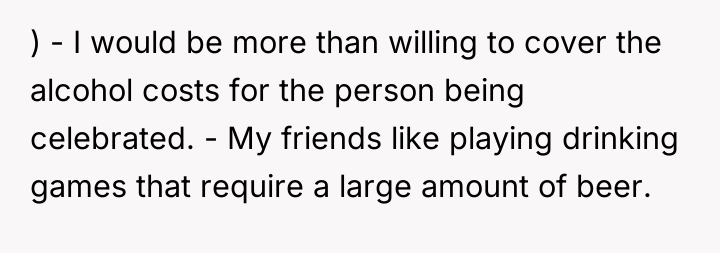
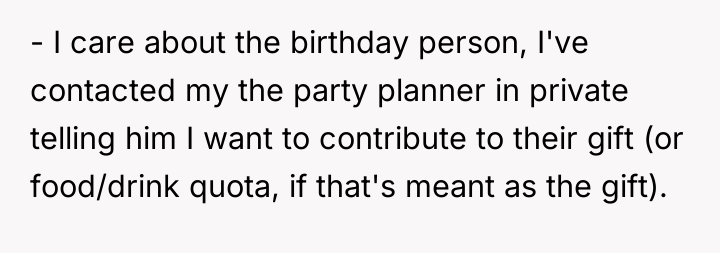
The OP's action of leaving the group was a firm assertion of his boundary, but the subsequent removal of the girlfriend was an escalation by the organizer. While the OP was appropriate in questioning an unfair distribution, especially regarding a significant cost like alcohol, future handling could involve clearer communication focused on the birthday person. A constructive recommendation would be for the OP to have explicitly stated: "I will cover all non-alcohol costs plus the OP's share of the alcohol as a gift, but I cannot contribute to the general alcohol pool for myself and my partner," allowing the organizer to see the commitment while maintaining the principle.
REDDIT USERS WERE STUNNED – YOU WON’T BELIEVE SOME OF THESE REACTIONS.:
Support, sarcasm, and strong words — the replies covered it all. This one definitely got people talking.

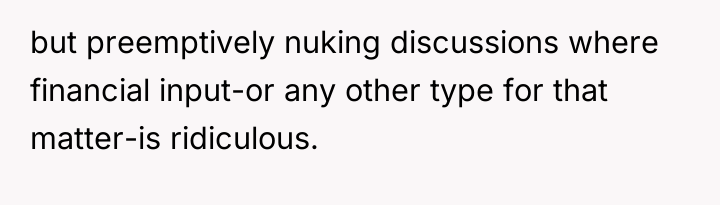
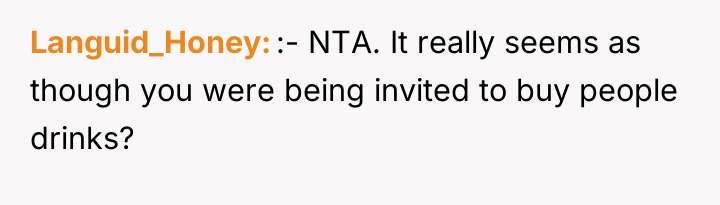

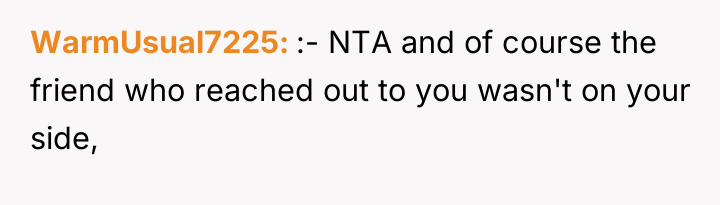
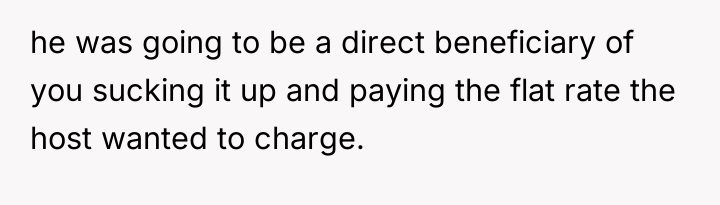
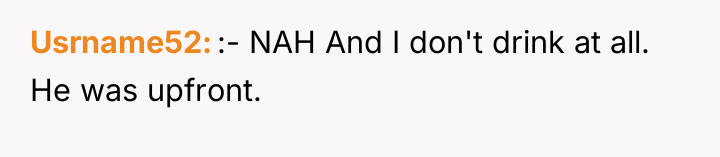
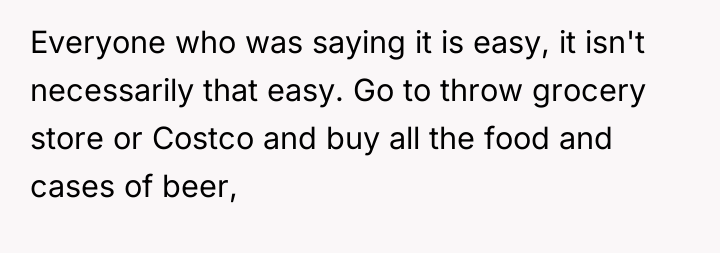
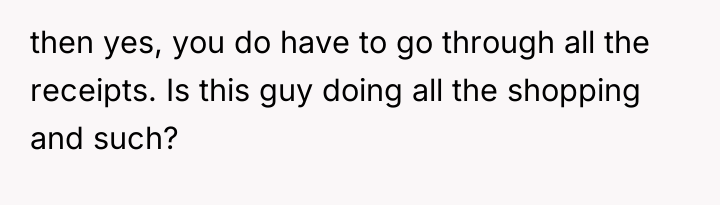
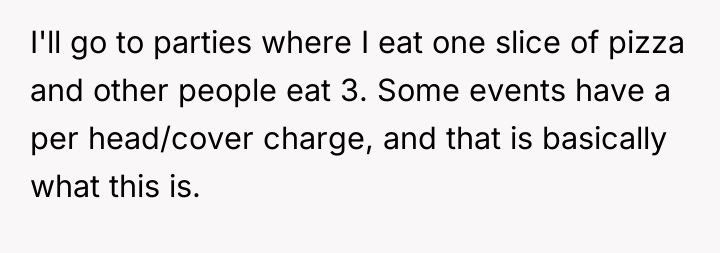
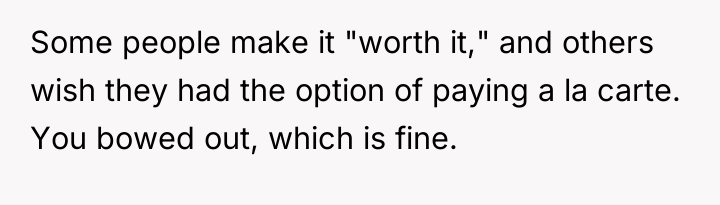
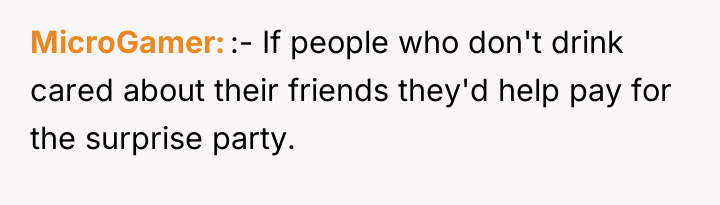

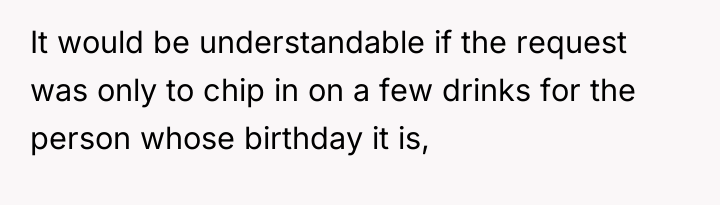
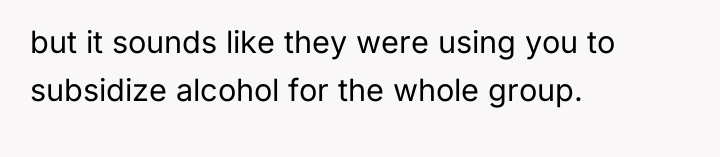
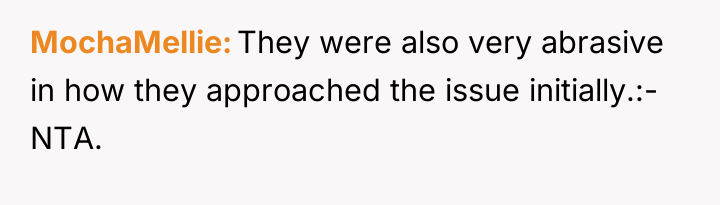
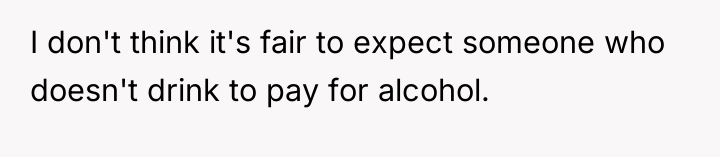
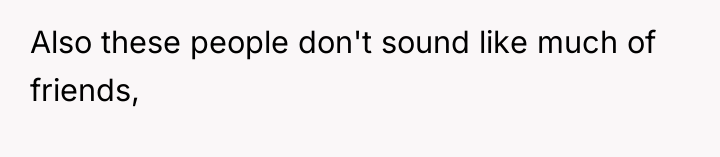
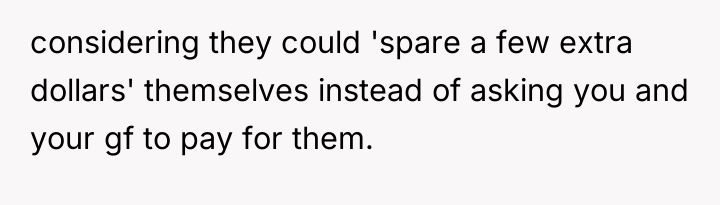
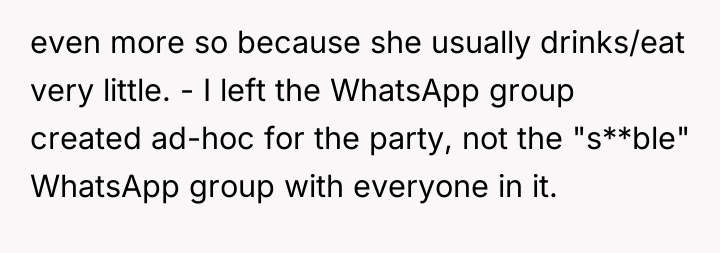
The original poster (OP) experienced significant conflict when the party organizer insisted on an equal cost split for a surprise party, including mandatory contributions toward alcohol consumption, despite the OP and his girlfriend not drinking. The OP prioritized his belief in fairness regarding consumption versus cost, leading him to refuse participation and exit the planning group, which escalated the situation when the organizer subsequently removed his girlfriend from the chat.
Was the OP's decision to prioritize his principle of not paying for unconsumed items over maintaining group harmony an overreaction, given the organizer's stated desire to avoid complex accounting? Conversely, was the organizer justified in enforcing an equal split for simplicity, or did his subsequent action of kicking the girlfriend represent an inappropriate power move against a legitimate objection?