
I agreed to do a favor for my wife and know she is upset and now i want a divorce
In the fragile space where love and exhaustion collide, a simple exchange of words spiraled into a chasm of hurt and misunderstanding. A husband, battling illness and fatigue, tried to meet the needs of his family, only to find his efforts twisted into a source of pain. What began as a playful retort became a wound that neither could easily heal, exposing the raw nerves beneath their daily struggles.
Caught in the whirlwind of frustration and unspoken expectations, their connection faltered under the weight of hurt feelings and harsh words. The man, desperate for clarity and peace, faced a breaking point where love felt overshadowed by anger. In this moment of vulnerability, the future of their bond hung uncertain, teetering on the edge of a painful decision.


Subscribe to Our Newsletter
As renowned researcher Dr. Brené Brown explains, “Boundaries are the distance at which I can love you and me simultaneously.” In this scenario, the conflict is not about picking up photos; it is about the perceived lack of emotional reciprocity and the establishment of fair emotional boundaries within the marriage regarding mutual support when ill or stressed.
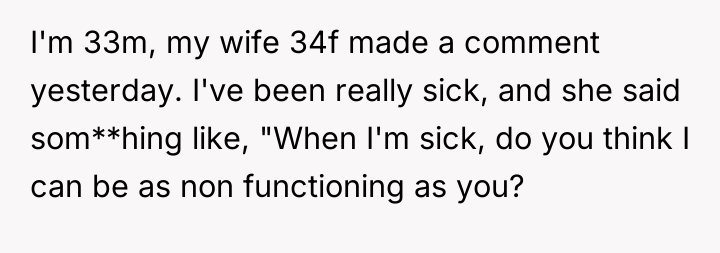
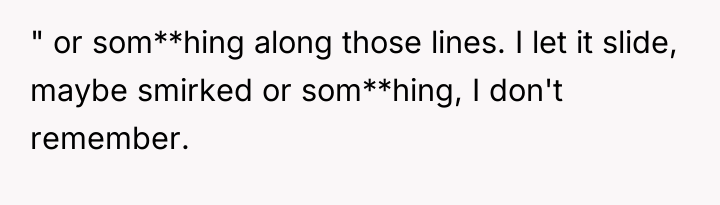
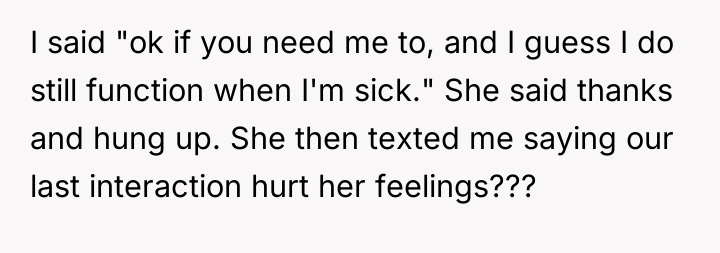
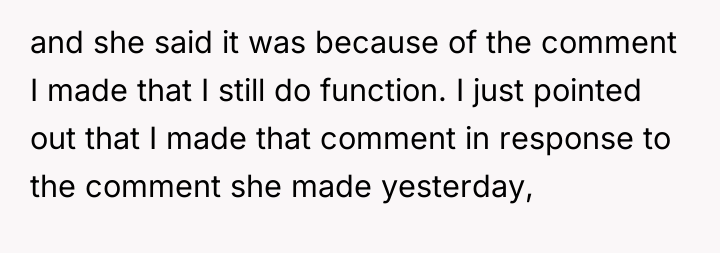
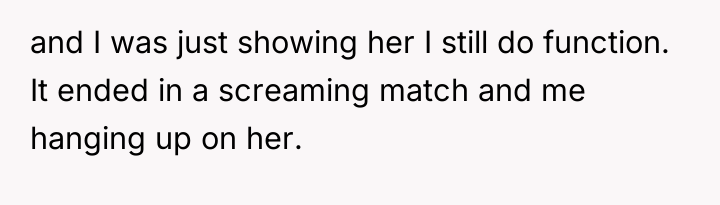
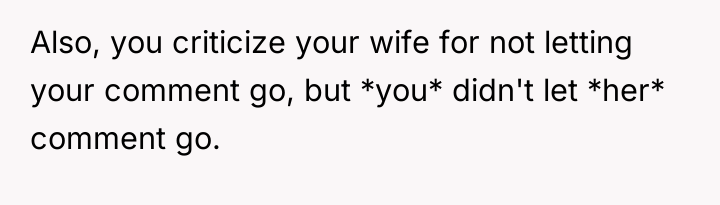
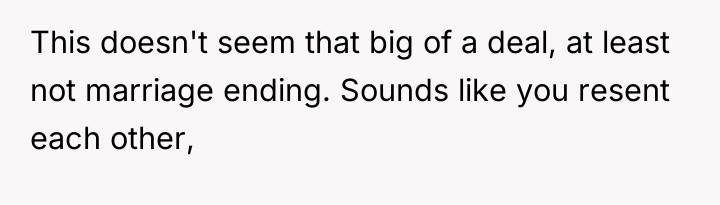
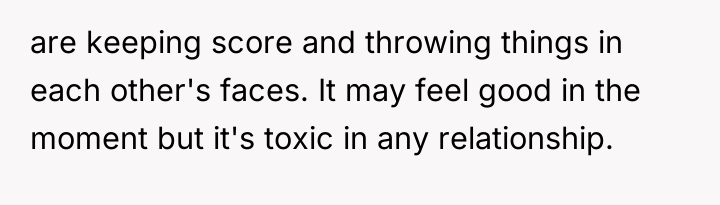
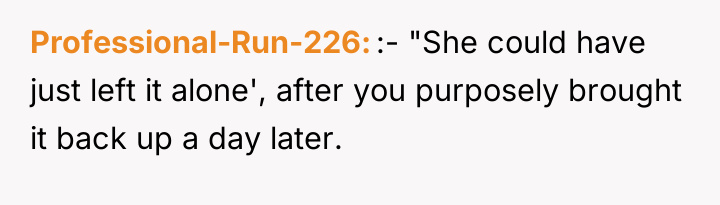
The wife’s initial comment suggested the OP's illness prevented her from functioning comparably, potentially indicating resentment over perceived unequal burden-sharing. When the OP defensively mirrored this sentiment after a long day, it was likely interpreted by the wife not as a simple statement of fact, but as a pointed, passive-aggressive dismissal of her earlier hurt. This exchange highlights a breakdown in communication where both parties are focused on 'winning' the immediate exchange rather than validating the other's underlying emotion (the wife feeling unsupported, the OP feeling unfairly judged). The resulting argument escalated because the initial, unaddressed hurt from the day before was reintroduced into the current, low-stakes request.
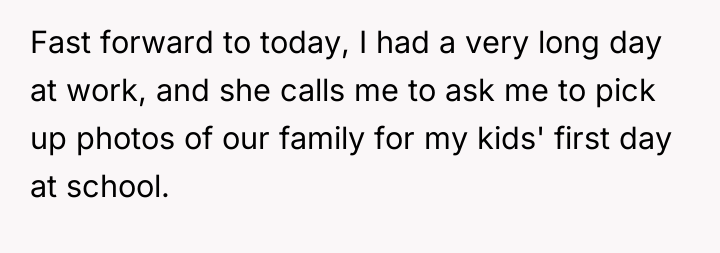
While the OP's agreement to get the photos was functionally appropriate, their reactive comment was emotionally provocative. To handle this better, the OP could have acknowledged the wife's initial comment separately, perhaps by saying, 'I understand you were frustrated yesterday, and I agree I was low energy. I can handle the photos today.' Addressing the emotional history before responding to the logistics often prevents minor tasks from becoming arenas for emotional warfare.
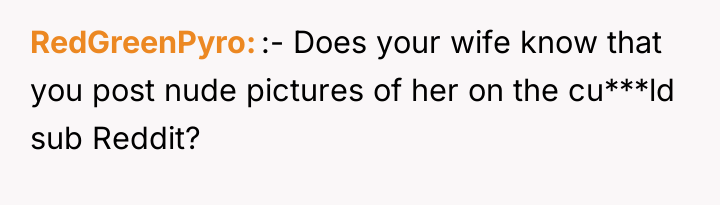
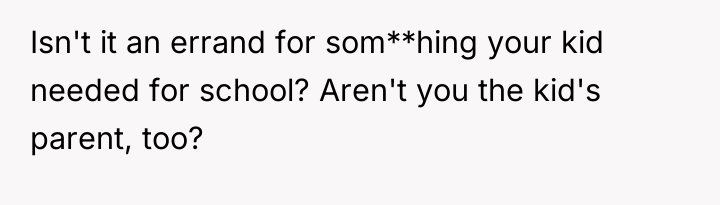
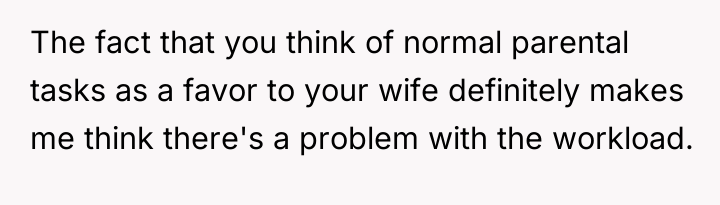
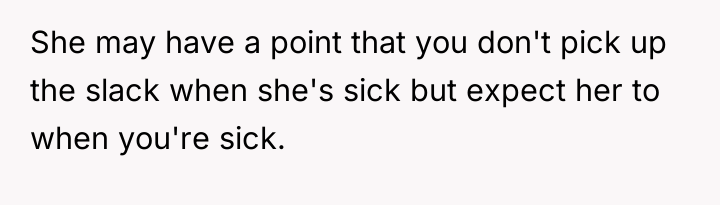
THIS STORY SHOOK THE INTERNET – AND REDDITORS DIDN’T HOLD BACK.:
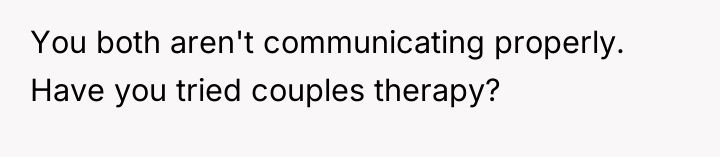
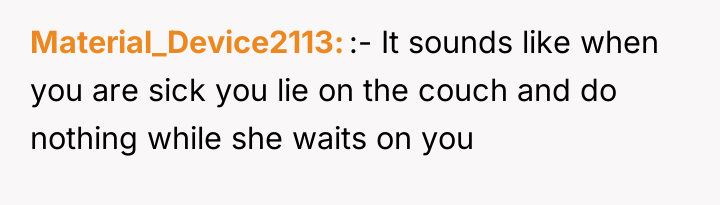
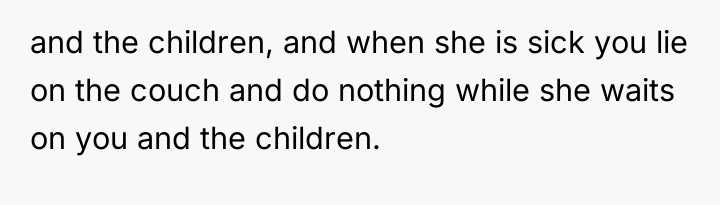
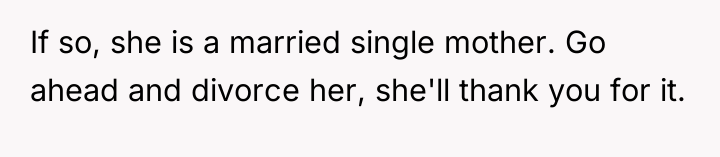
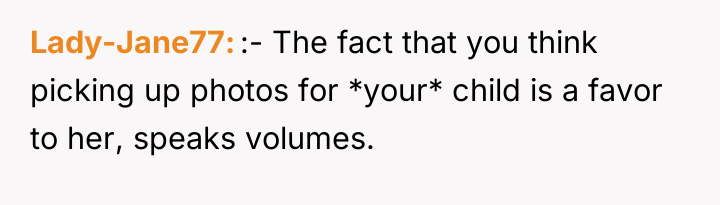
It didn’t take long before the comment section turned into a battleground of strong opinions and even stronger emotions.




🙄
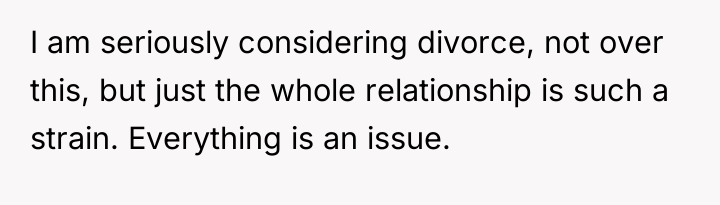
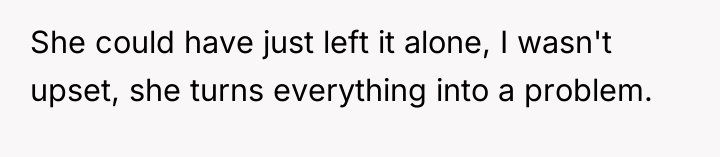
The Original Poster (OP) feels emotionally strained by their wife's reaction, viewing her response as turning a neutral agreement into an unnecessary conflict based on a comment from the previous day. The central conflict lies between the OP's desire to simply fulfill a request without argument and the wife's apparent need for acknowledgement or validation regarding past perceived slights.
Given the escalating pattern of conflict and the OP's serious consideration of divorce, the core question remains: Is the wife's reaction a justifiable emotional response to feeling invalidated, or is the OP correct that she is actively creating unnecessary problems that undermine the relationship's foundation?