
My MIL said she never liked me and now I don’t want to host thanksgiving
She had always yearned for acceptance, pouring her heart into every meal and every holiday celebration, hoping to weave herself into the fabric of her partner’s family. Each painstaking detail was a silent testament to her love and longing, a fragile hope that she was seen and cherished beyond the surface.
Yet, beneath the warmth of compliments and the flash of camera phones lay a deeper struggle, a battle with her own reflection that others couldn’t see. The weight of past wounds mingled with fleeting praise, revealing how fragile the line between validation and vulnerability can be.



Subscribe to Our Newsletter
As renowned researcher Dr. Brené Brown explains, “Boundaries are the distance at which I can love you and me simultaneously.”
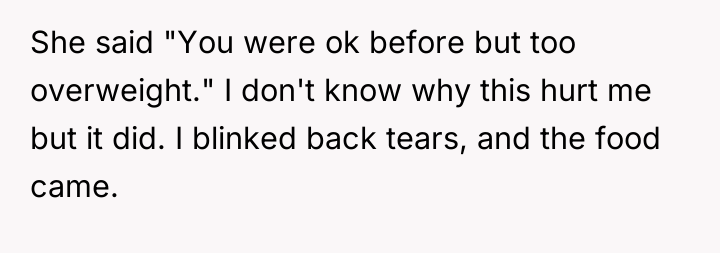
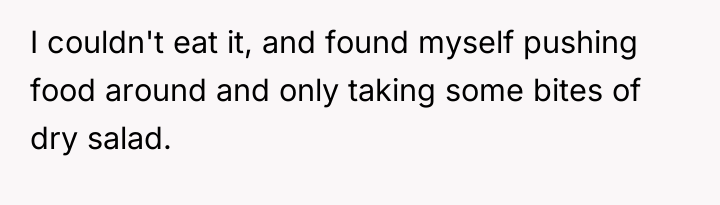
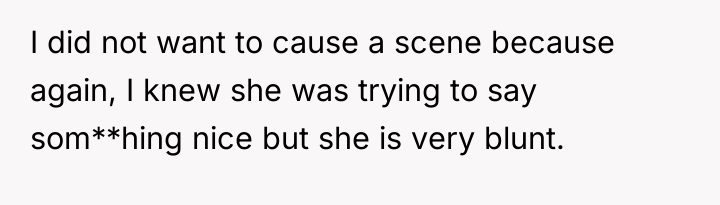
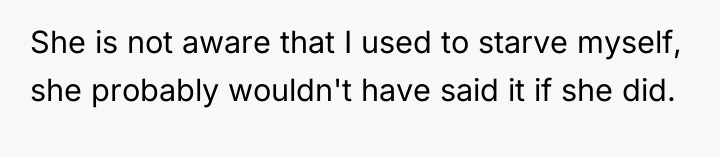
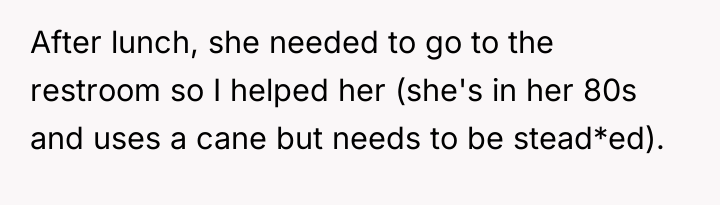
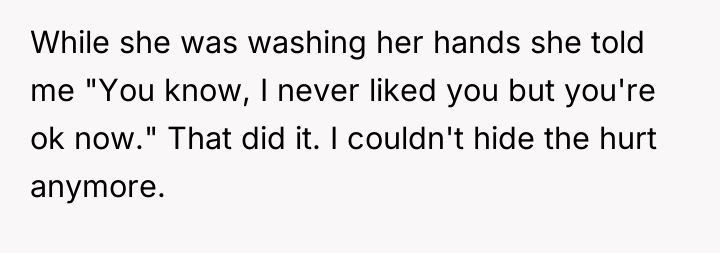
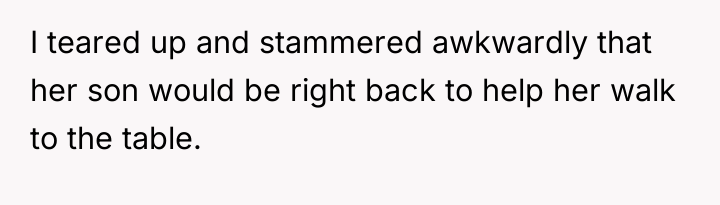
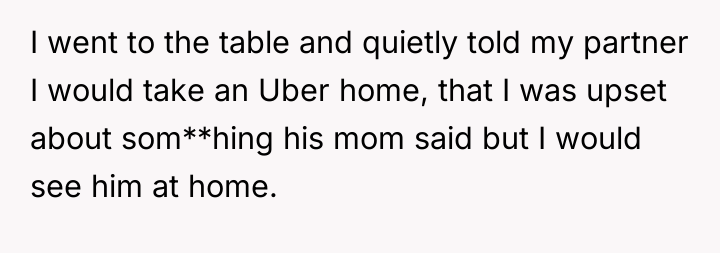
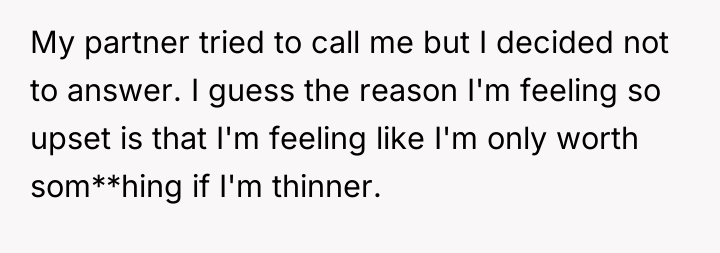
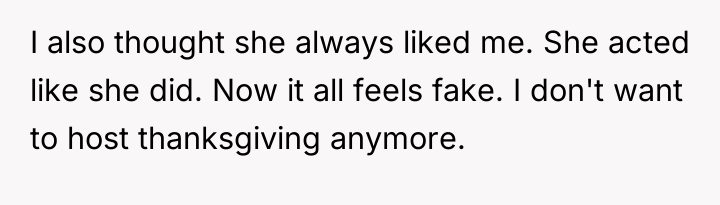
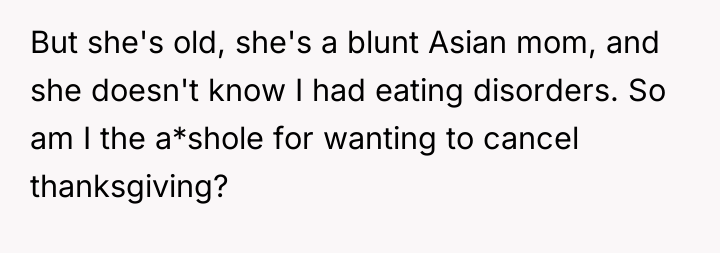
The OP's situation involves a severe boundary violation masked as casual conversation, triggering past trauma related to eating disorders. The OP's history of extensive service (cooking for holidays, organizing visits) established an unspoken transactional expectation: that high effort equals acceptance. The mother-in-law's comments—first praising weight loss, then admitting she 'never liked' the OP before—shattered this expectation, revealing the acceptance was conditional on appearance, not genuine connection or kindness. The OP's reaction to stop eating and leave was an immediate, albeit reactive, attempt to enforce a boundary against emotional harm.
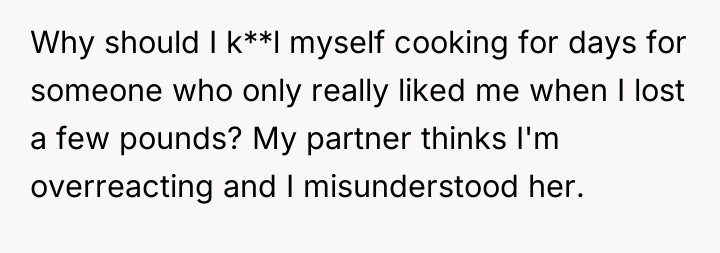
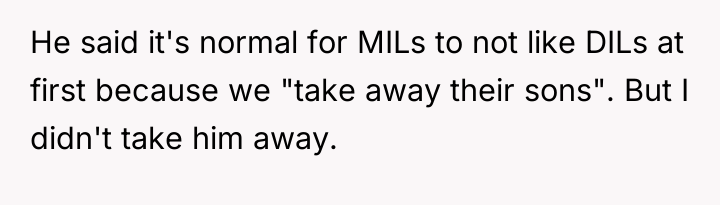
The partner's response, minimizing the incident by citing generalized in-law dynamics, invalidates the OP's experience and compounds the feeling of isolation. The OP is being asked to sacrifice their emotional well-being for the sake of maintaining an illusion of harmony built on superficial hospitality. The appropriate action is not necessarily to cancel Thanksgiving outright, but to firmly communicate that the relationship requires respect for the OP's history and personhood, independent of physical appearance. A constructive future step involves the OP and partner establishing joint boundaries for future interactions with the mother, ensuring the OP is not solely responsible for managing the emotional labor or the logistics of visits.
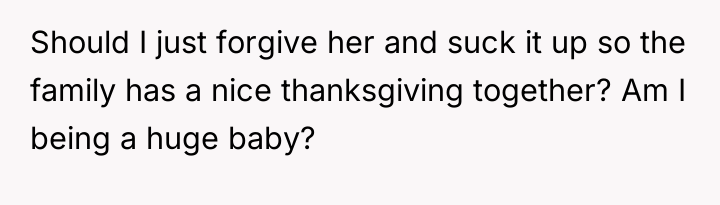
The OP is not being a 'huge baby'; they are reacting to a painful emotional injury. Forgiving and 'sucking it up' teaches the mother that such harmful comments have no consequences. While acknowledging the mother's potential cultural differences is useful context, it does not excuse the impact of her words. The OP should prioritize clear, calm communication about the impact of the comments before deciding on hosting future events.
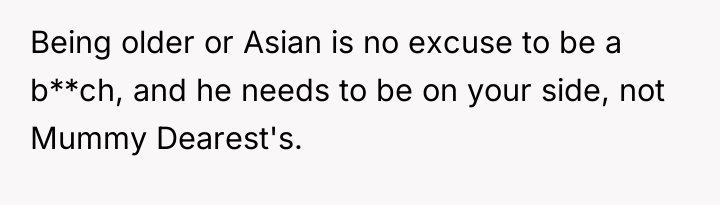
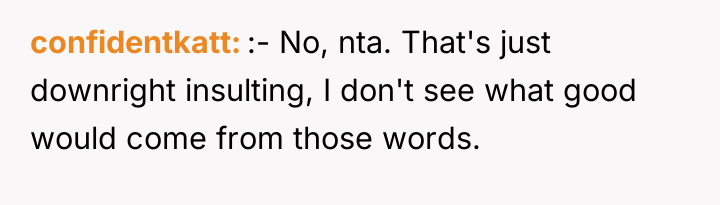
AFTER THIS STORY DROPPED, REDDIT WENT INTO MELTDOWN MODE – CHECK OUT WHAT PEOPLE SAID.:
Support, sarcasm, and strong words — the replies covered it all. This one definitely got people talking.


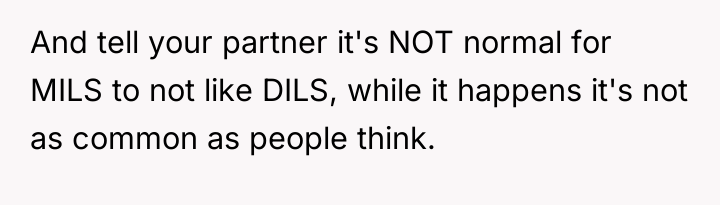
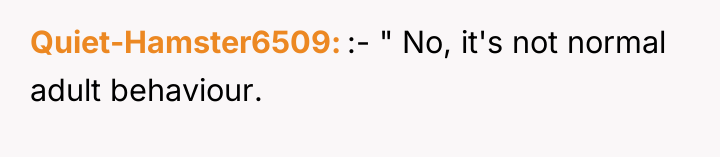
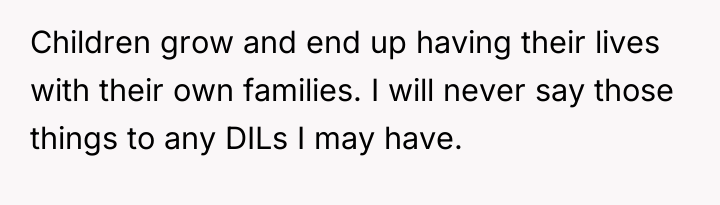


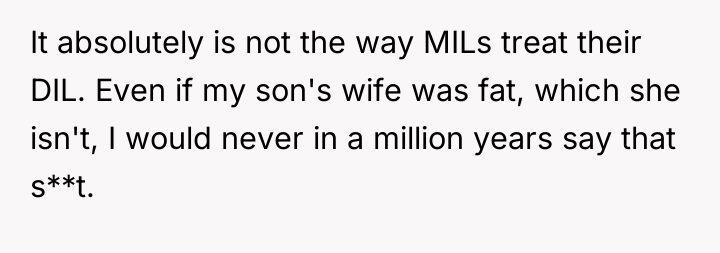
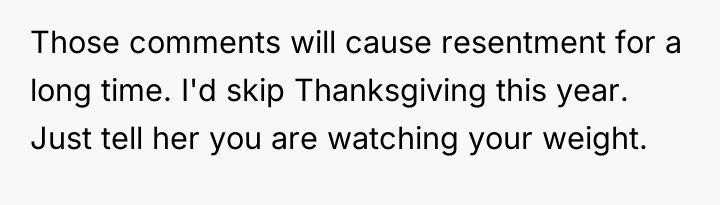
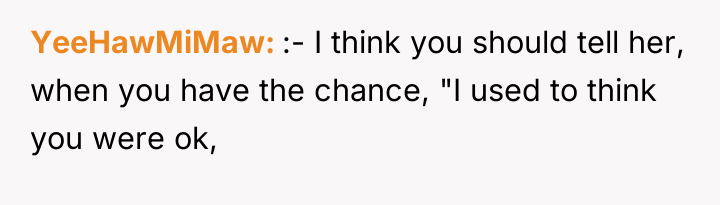

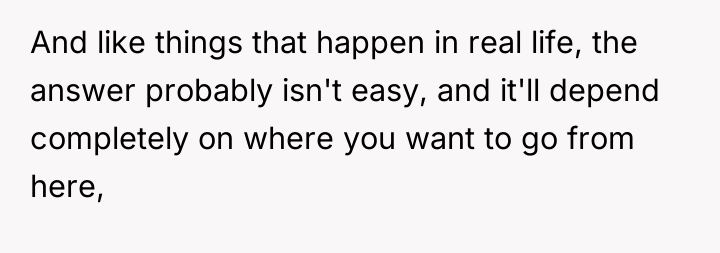



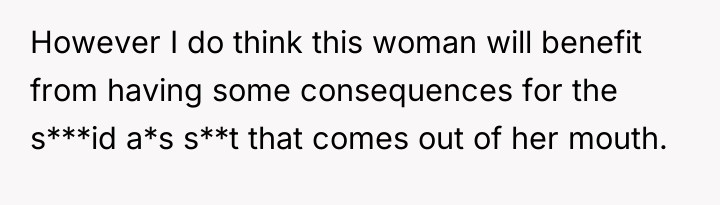
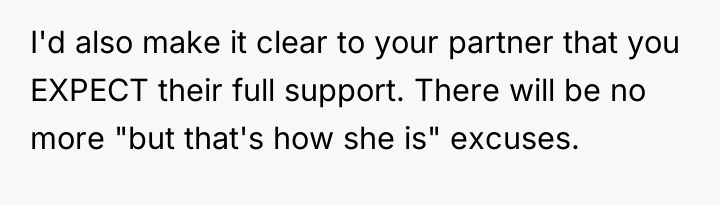


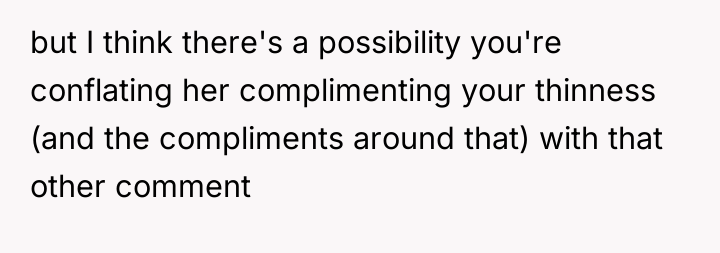
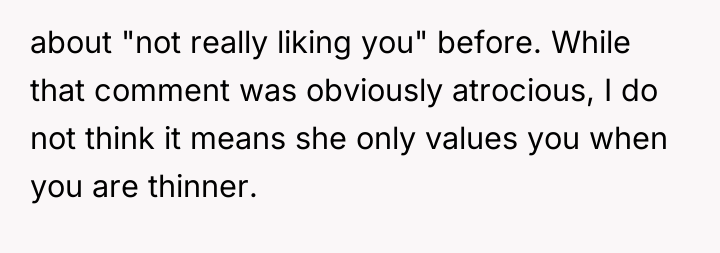
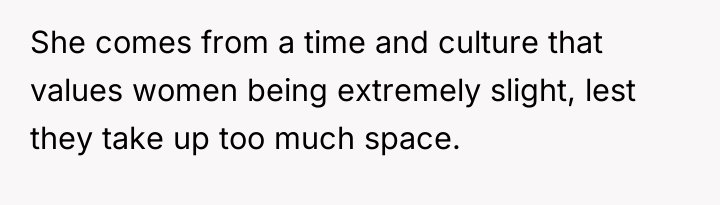
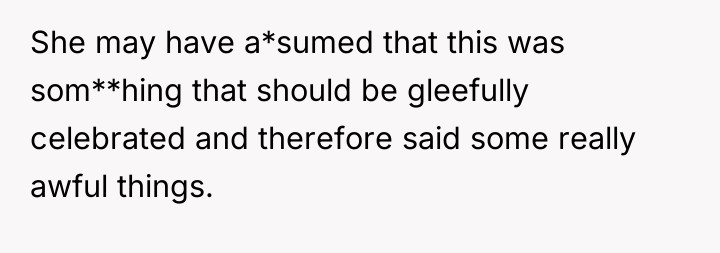
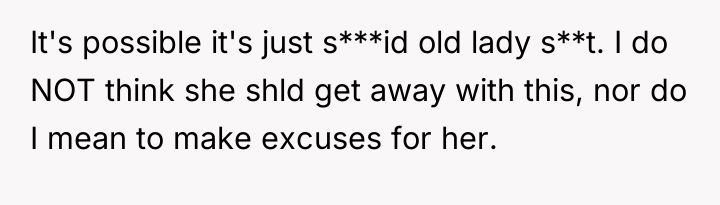
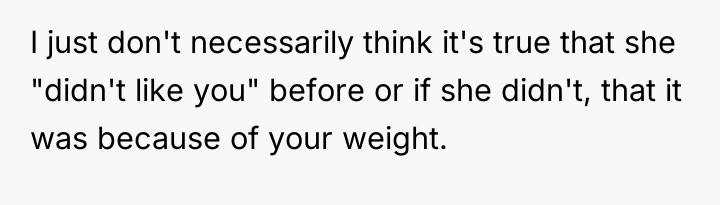

The original poster (OP) is experiencing deep emotional pain stemming from a perceived conditional acceptance by their partner's mother, especially given the OP's past struggles with eating disorders. The central conflict lies between the OP's significant, effortful acts of caregiving and hospitality, and the mother-in-law's blunt final assessment that only reduced weight made her likable. The OP feels their value was reduced to appearance, leading to a crisis of motivation regarding future efforts, such as hosting major holidays.
Given the clash between the OP's need for genuine appreciation and the partner's dismissal of the hurt, the core question remains: Is the OP justified in withdrawing future hospitality and emotional labor due to the mother's hurtful statements, or must they prioritize maintaining family peace and tradition by forgiving the comments, considering the mother's age and lack of awareness regarding the OP's history?