
My wife called me insecure for wanting her ex-lover out of our lives after years of misery
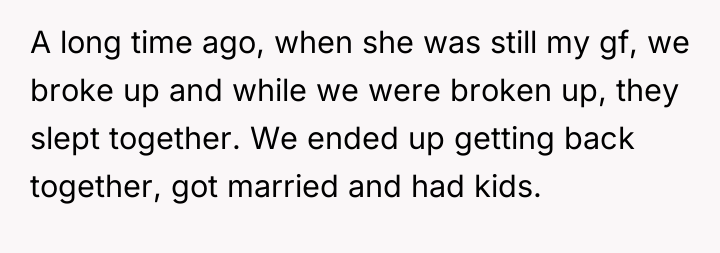
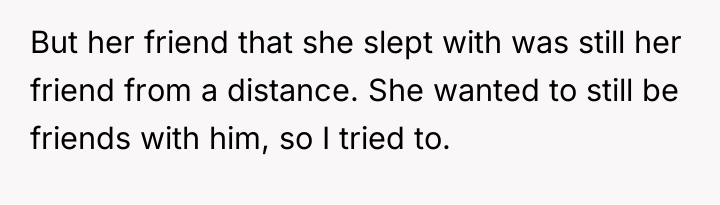
Beneath the surface of a decade-spanning friendship lies a painful fracture, a secret shared in a moment when love was lost but not forgotten. Years later, as the past collides with the present, a husband wrestles with the shadows of betrayal, struggling to reconcile the woman he loves with the memory that haunts him every time her old friend crosses their path.
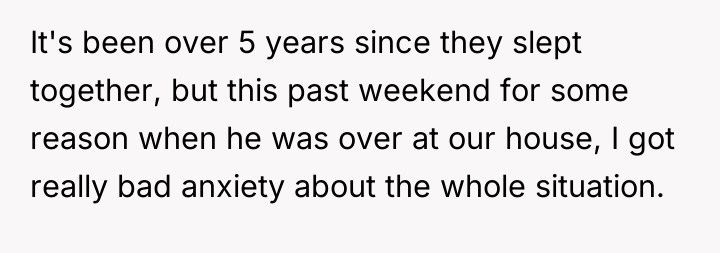
In the quiet tension of their home, anxiety blooms like an unspoken wound, threatening to unravel the fragile peace they’ve built. When honesty breaks through, it is met with resistance, leaving love caught in a painful standoff between trust and the lingering echoes of a fractured past.




Subscribe to Our Newsletter
According to relationship expert Dr. Stan Tatkin, author of 'Wired for Love,' strong relationships require partners to establish a cohesive 'Us' identity that supersedes individual histories or external influences. When unresolved past events—like a sexual encounter between a spouse and a close friend—surface as triggers for current anxiety, it indicates a failure to fully integrate that history into the marital narrative, creating latent instability.
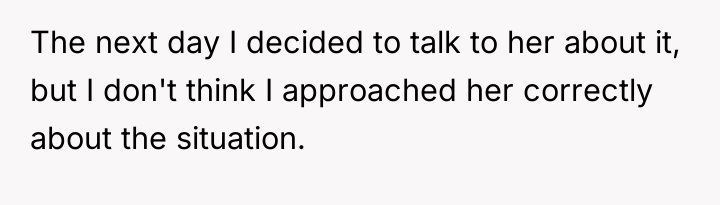
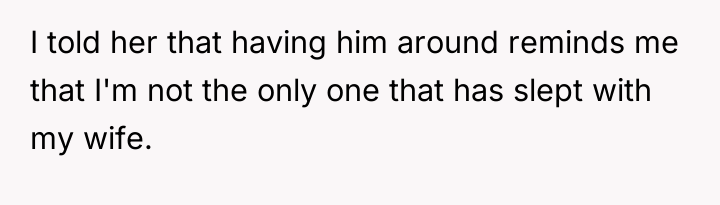
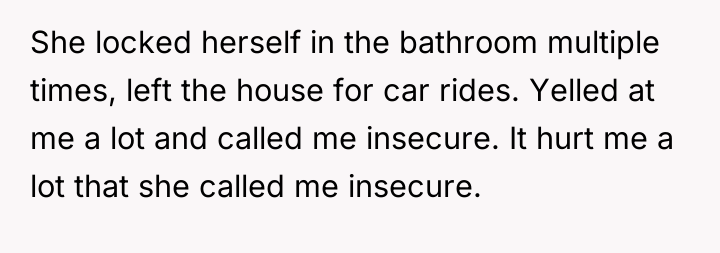
The husband's reaction, while causing distress, stems from a perceived threat to his unique position within the marriage, amplified by his pre-existing anxiety disorder. His method of confrontation, however, was likely poorly timed and accusatory ('reminds me that I’m not the only one that has slept with my wife'), which immediately triggered defensiveness in the wife. Her response—locking herself away and calling him 'insecure'—is a classic defensive maneuver that dismisses the legitimacy of his emotional experience rather than addressing the boundary issue he attempted to raise.
While the husband was justified in feeling uncomfortable, his execution was counterproductive. A more effective approach would have involved using 'I' statements focused purely on his internal experience, not on the friend's history (e.g., 'When X is present, my anxiety spikes, and I need us to discuss how we can manage this feeling together'). The wife needs to understand that her dismissing his distress as mere insecurity minimizes a real emotional challenge. The professional recommendation is for the couple to seek mediation or couples counseling to address the underlying trauma related to the past event and establish new, mutually agreed-upon boundaries that honor both the friendship and the marital commitment.
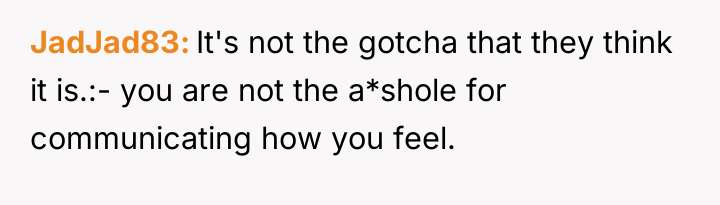
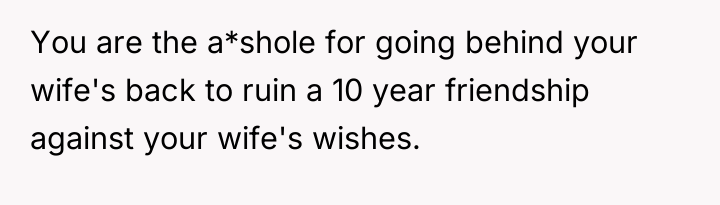
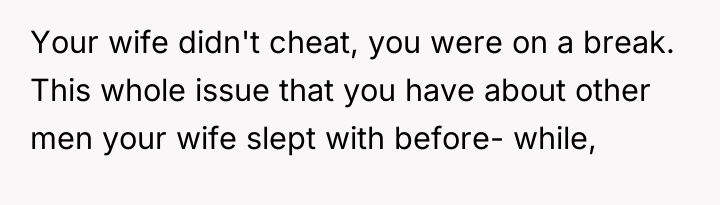
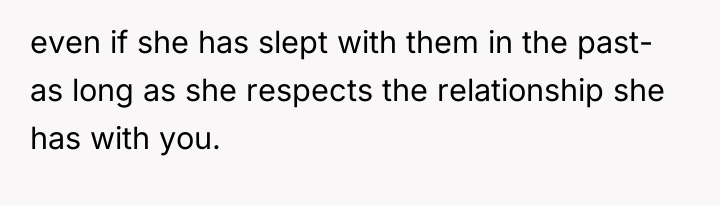
AFTER THIS STORY DROPPED, REDDIT WENT INTO MELTDOWN MODE – CHECK OUT WHAT PEOPLE SAID.:
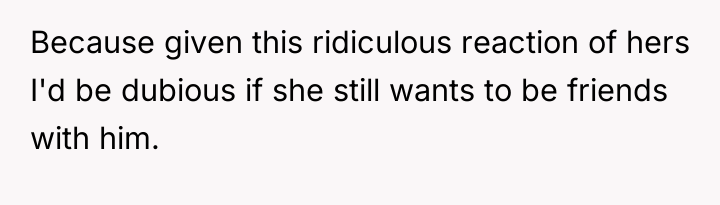
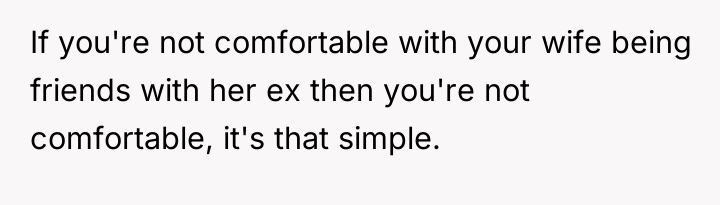
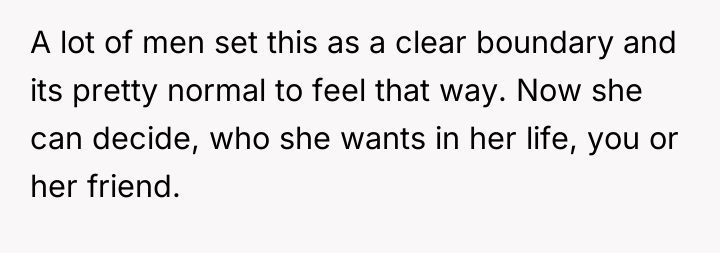
The internet jumped in fast, delivering everything from kind advice to cold truth. It’s a mix of empathy, outrage, and no-nonsense takes.

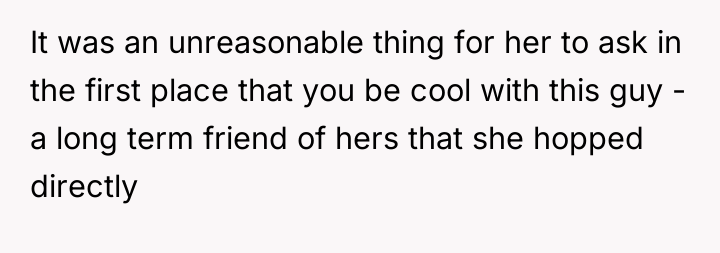
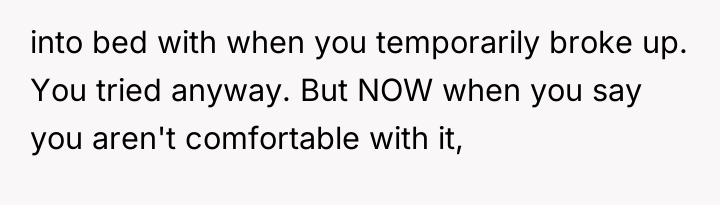

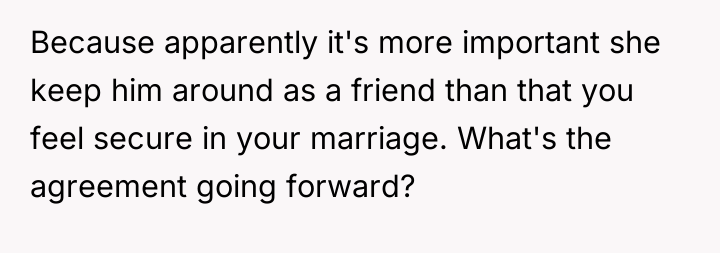


,


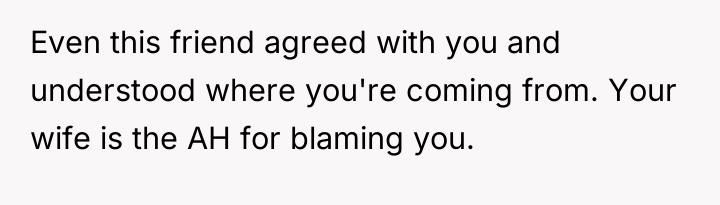




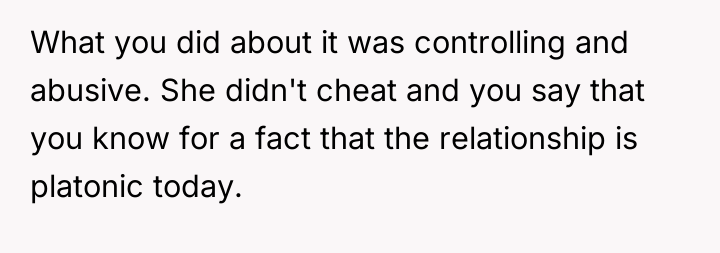

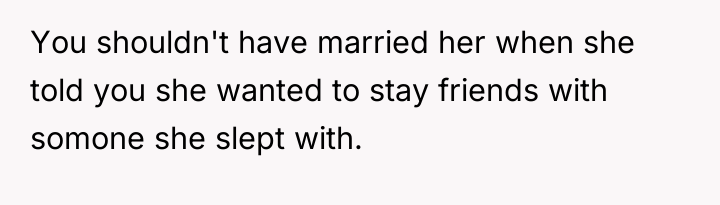

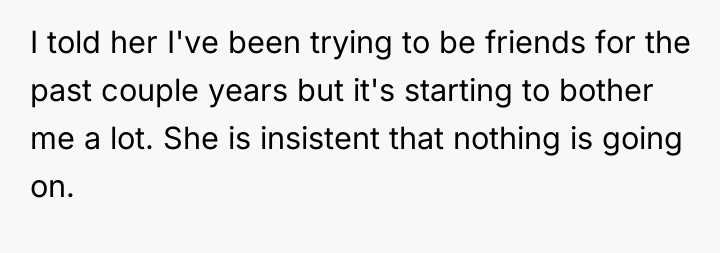
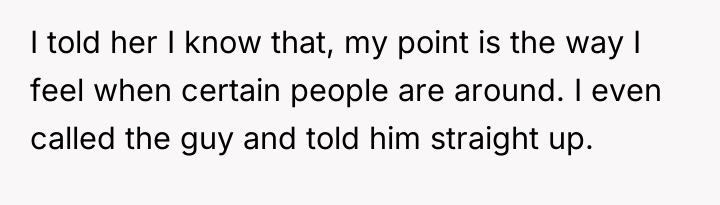
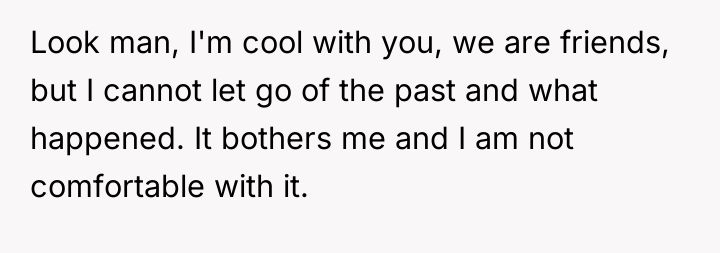
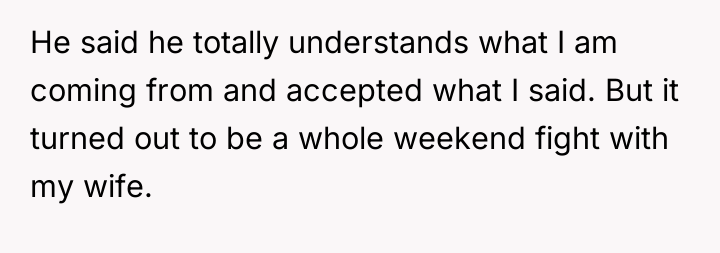
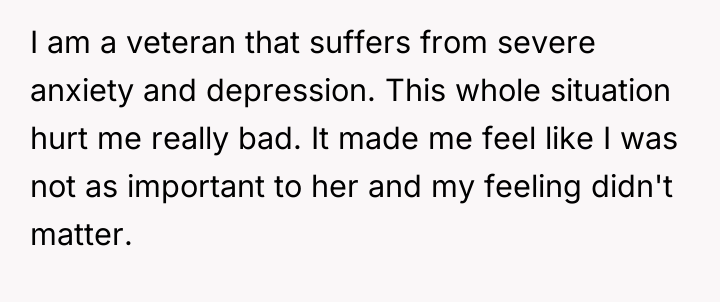
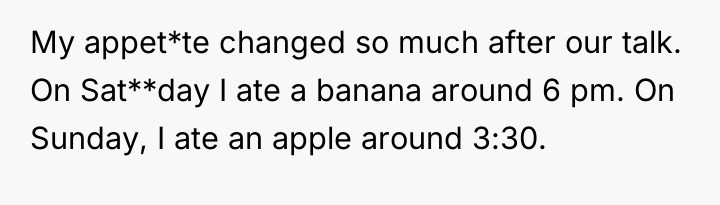
The husband experienced significant anxiety and emotional distress stemming from his wife's long-standing friendship with a man with whom she had a past sexual encounter. His attempt to address these feelings led to severe conflict, with his wife reacting defensively and accusing him of insecurity, causing him deep emotional pain and physical manifestations of stress.
The core debate centers on balancing the security and emotional needs of a committed marriage against the established, non-sexual friendships of a spouse. Is it justifiable for a partner to request distance from a specific long-term friend based on historical context and current emotional distress, or does this request constitute an unfair demand that infringes upon personal autonomy and trust?