
WIBTA if I reported a nurse for negligence that could have ended in serious repercussions?
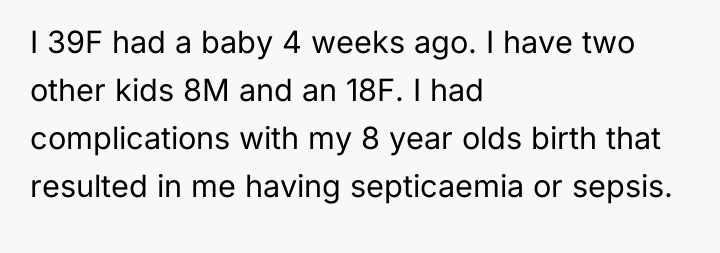
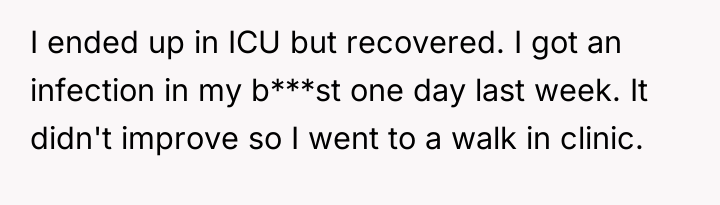
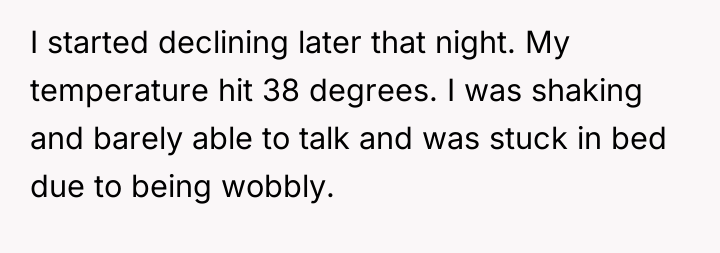
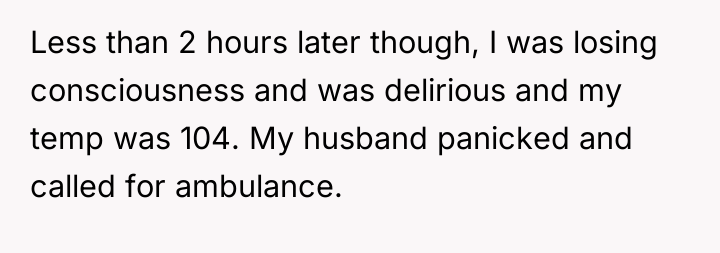
A mother of three, still tender from the birth of her newborn just weeks ago, finds herself battling a haunting shadow from her past—a severe infection that once nearly claimed her life. The fear of sepsis, a relentless enemy she thought she had defeated, looms over her again as a breast infection worsens, threatening to steal her breath and strength in the quiet hours of the night.
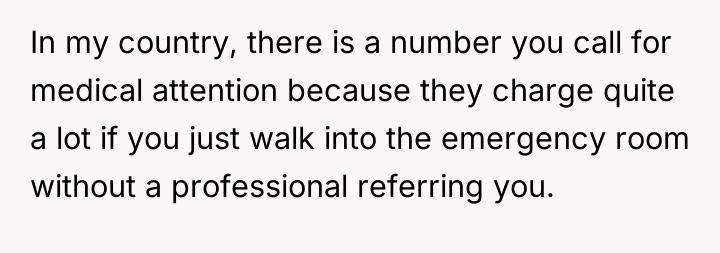
Struggling against the rising fever and trembling weakness, she faces the daunting reality of her fragile body’s limits, isolated by the weight of medical costs and the maze of healthcare protocols. Each moment becomes a fight for survival, not just for herself, but for the family who depends on her unwavering presence.




Subscribe to Our Newsletter
Per the established guidelines of patient advocacy and safety, referencing principles often discussed by figures like Dr. Atul Gawande, author of 'Complications: A Surgeon's Notes on an Imperfect Science,' patient reports are vital components of quality control in healthcare systems. Gawande's work emphasizes that errors and near-misses are inevitable in complex environments, but they must be reported transparently so that the system can learn and adjust protocols to prevent recurrence.
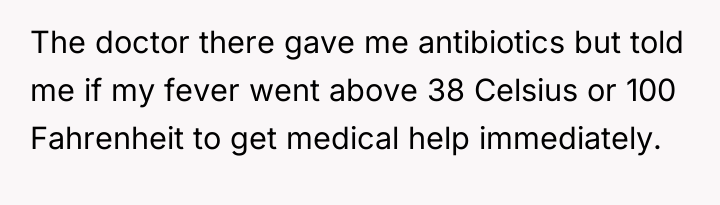
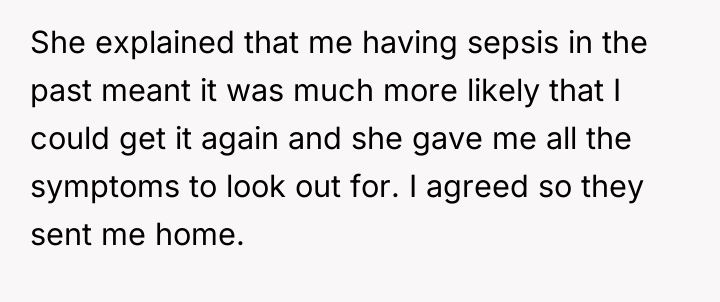
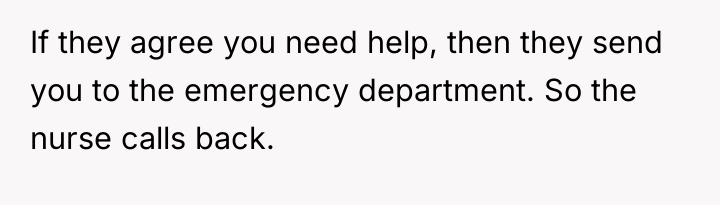
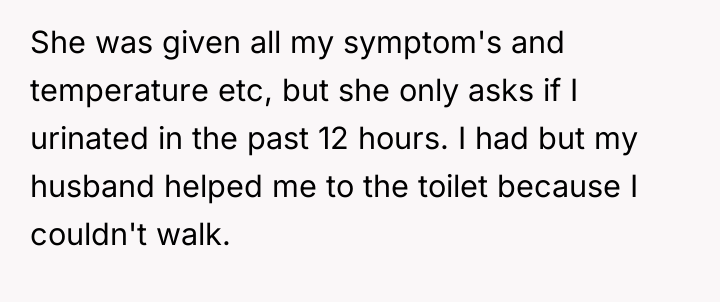
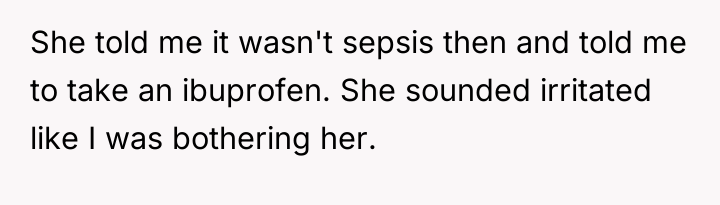
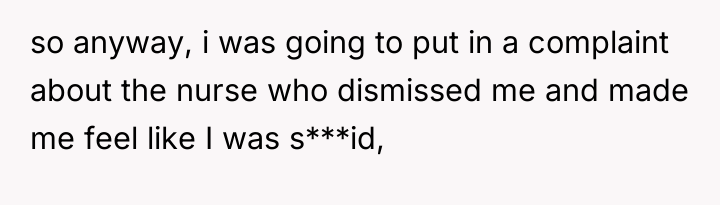
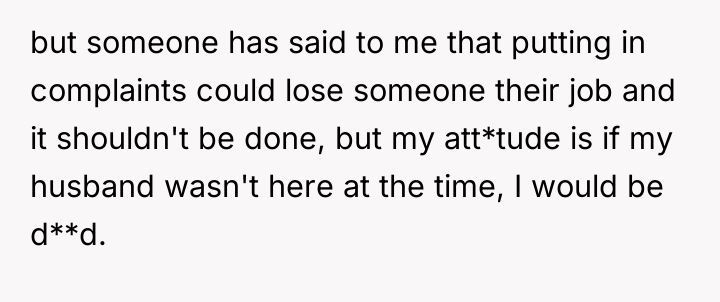
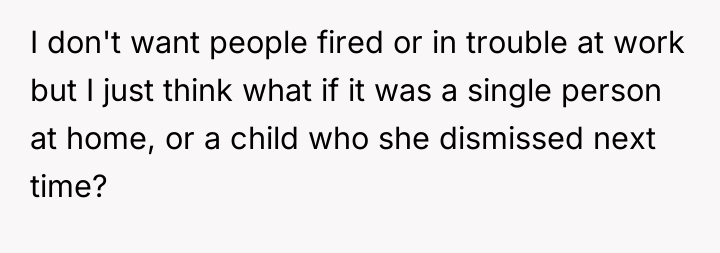
The mother's motivation to report is rooted in protecting future vulnerable patients, especially those with known high-risk profiles like previous sepsis survivors. The nurse's action—dismissing critical symptoms (fever above 38°C, inability to walk) based on a single, easily verifiable, but insufficient metric (urination frequency)—demonstrates a failure in adhering to established sepsis screening protocols and a lapse in professional empathy. This is compounded by the clear instruction given by the walk-in clinic doctor, which the nurse ignored. Psychologically, the poster experienced a form of invalidation, leading her to suppress her needs, a common reaction when a patient believes they are 'bothering' a professional.
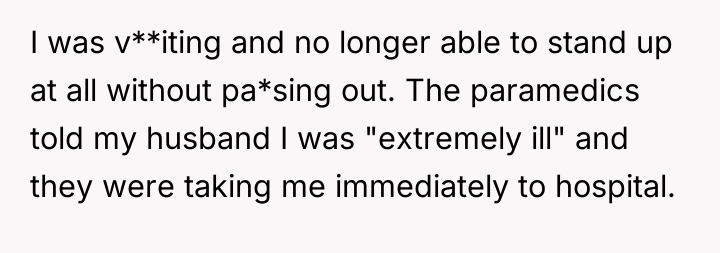
The poster's action of calling an ambulance was appropriate; her life was in immediate danger. While concerns about an individual's job are understandable, systemic failures resulting in near-fatal outcomes require formal review. The constructive recommendation is for the poster to file a formal complaint focused specifically on the systemic process failure and the triage protocol breach, rather than requesting punitive action against the individual. This approach supports institutional learning (improving training on sepsis alerts) without necessarily leading to termination.
THE COMMENTS SECTION WENT WILD – REDDIT HAD *A LOT* TO SAY ABOUT THIS ONE.:
What started as a simple post quickly turned into a wildfire of opinions, with users chiming in from all sides.

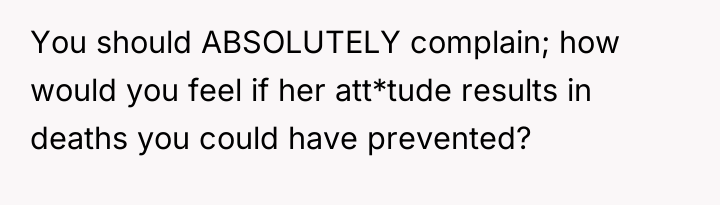
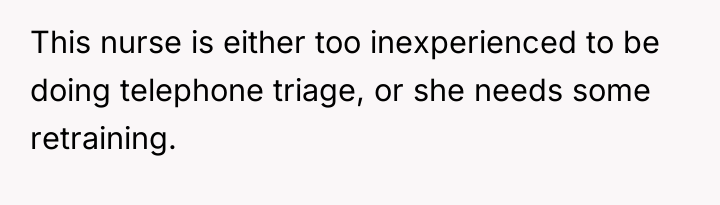
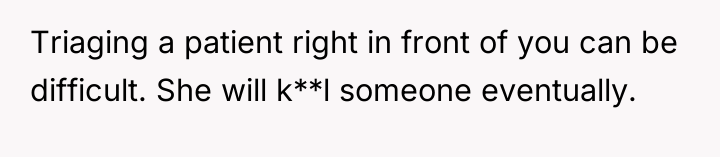


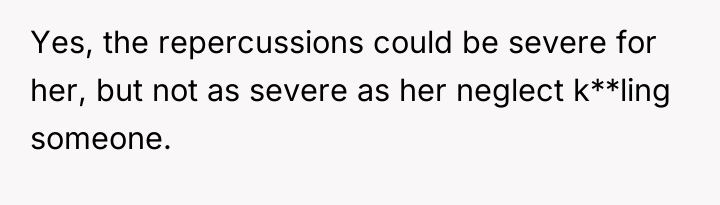
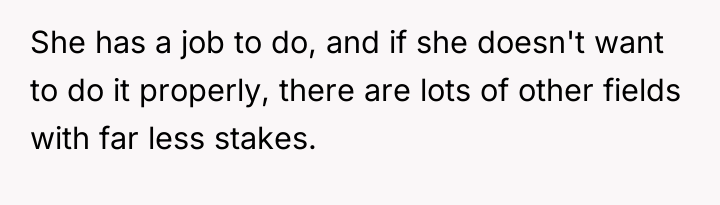

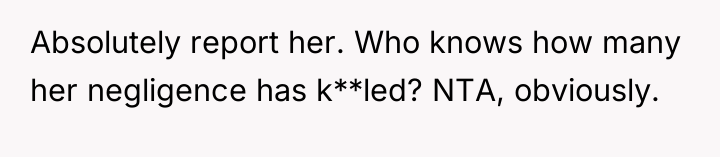
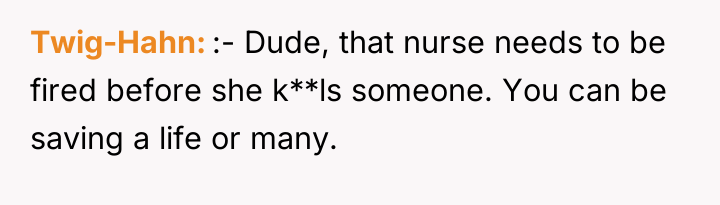
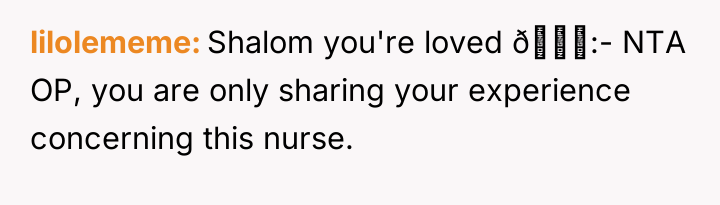
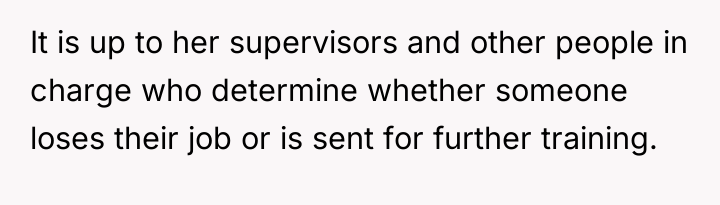
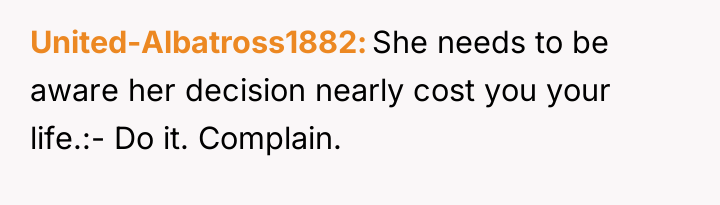

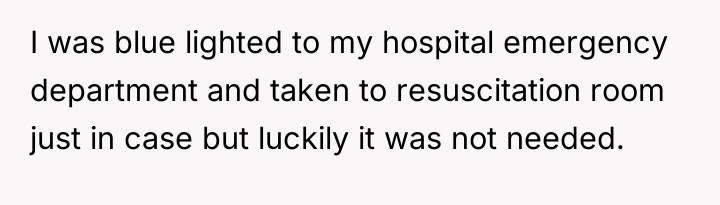
The original poster faced a critical medical situation where her past history of sepsis made her high-risk, yet her immediate concerns were dismissed by a triage nurse over the phone, leading to a severe deterioration in her health requiring emergency hospitalization. Her conflict lies between the instinct to protect the professional's job and the moral imperative to report potentially dangerous negligence that nearly cost her life.
Given the severity of the near-miss and the documented risk factors, should the poster proceed with filing a formal complaint against the medical service provider to ensure systemic improvement and patient safety, or must she prioritize the individual nurse's employment security?