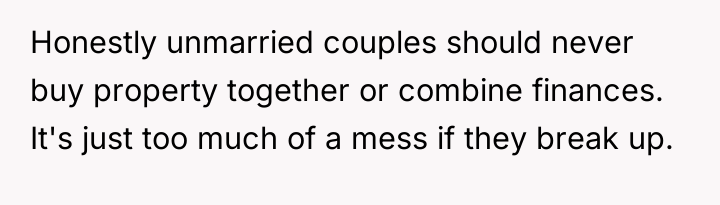
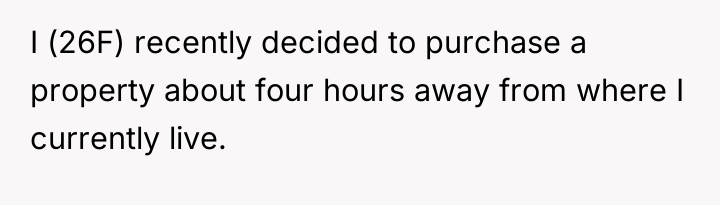
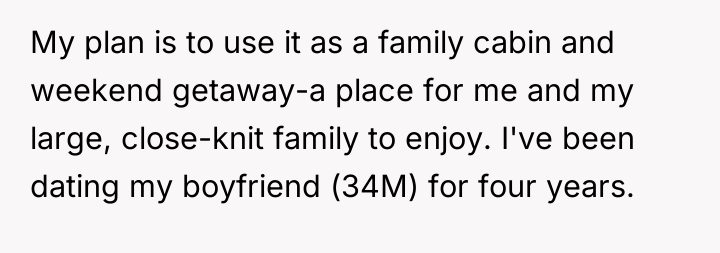
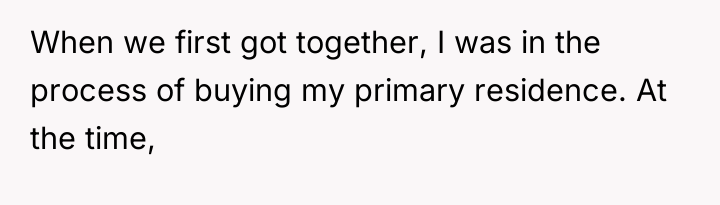
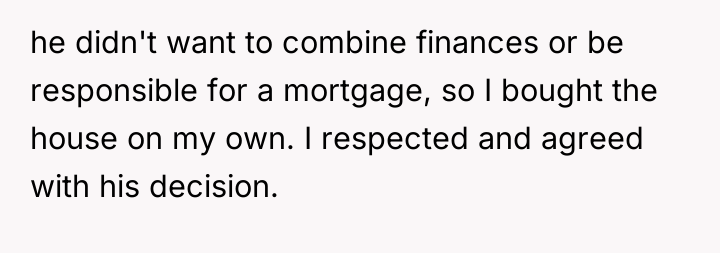
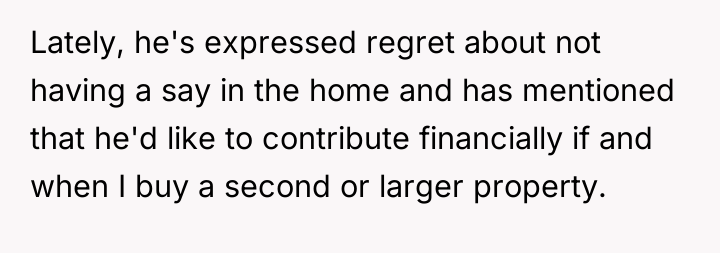
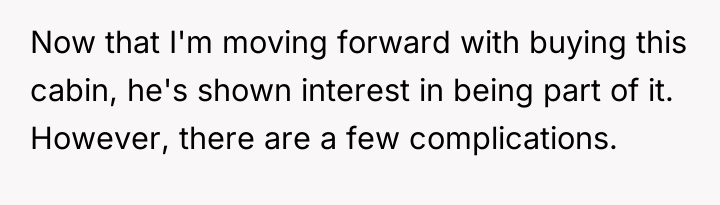
WIBTA if I didn’t let my boyfriend contribute to a property I’m buying and kept full control over it?
She stood at a crossroads of love and independence, ready to claim a haven for her family—a cabin far from the city’s clamor, a sanctuary built with her own hands and heart. Yet, within the warmth of her dream flickered the uneasy shadow of her boyfriend’s newfound desires, stirring a quiet storm between shared dreams and solitary sacrifices.
Four years of unwavering support and solitary responsibility had woven the fabric of their life together, but now his longing to share ownership challenged the delicate balance she had maintained. As she stepped toward this new chapter, the weight of unspoken expectations and fractured trust threatened to unravel the promise of their future, leaving her to navigate the fragile line between love and self-worth.


Subscribe to Our Newsletter
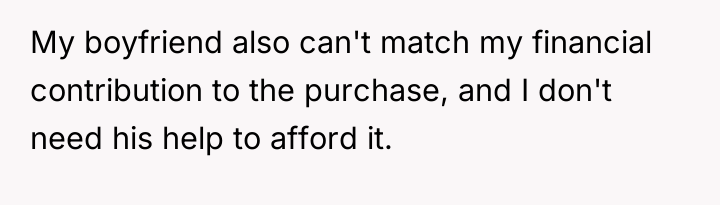
This situation can be viewed through the lens of relationship equity and boundary setting, as discussed by relationship experts like Dr. Terri Orbuch, who emphasizes the importance of shared decision-making in long-term partnerships. The poster's history (buying the first property solely) established a pattern where she manages the assets independently, a pattern she seems determined to repeat with the cabin.
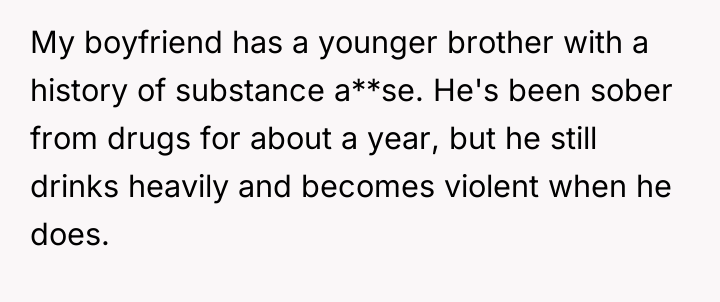
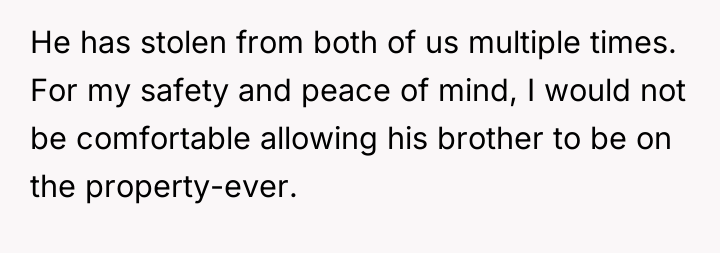
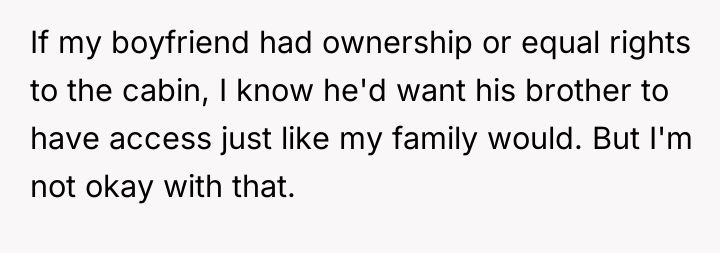
The primary psychological drivers here are the poster's need for control, which stems from financial independence and a necessary, protective boundary against the boyfriend's brother, who poses a genuine safety risk. The boyfriend’s motivation appears to be twofold: a desire for financial contribution (to balance past perceived inequity) and a need for symbolic inclusion in a major shared future asset. However, the safety risk associated with the brother (violence and theft) overrides simple financial arguments for shared equity. Ownership grants control over access, which is critical here.
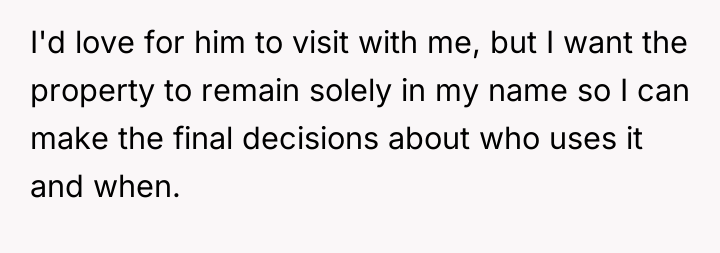
From a professional standpoint, the poster's action of keeping the property solely in her name is appropriate given the safety concerns. A constructive recommendation would be for the poster to clearly separate the ownership of the asset from the access rights. She should acknowledge the boyfriend’s desire to contribute by perhaps having him pay for specific, contained expenses related to the cabin (like furnishing a specific room or maintaining utilities during his visits) as a gesture of partnership, while firmly maintaining sole title and ultimate veto power over who uses the property.
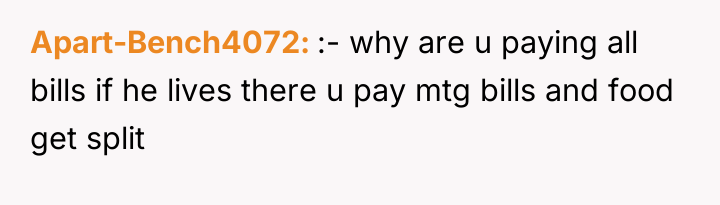
THE COMMENTS SECTION WENT WILD – REDDIT HAD *A LOT* TO SAY ABOUT THIS ONE.:
The crowd poured into the comments, bringing a blend of heated opinions, solid advice, and a few reality checks along the way.