
AITA for revealing a family secret to by husband about his father?
A sudden heart attack stole a father from his family forty years ago, leaving a 13-year-old boy to shoulder the weight of survival and sacrifice. In the shadow of loss, a mother struggled with language and skills, while her children grew up fast, driven by the memory of a man who never got to see their future. The family’s love for him became a quiet, aching hymn of what might have been.
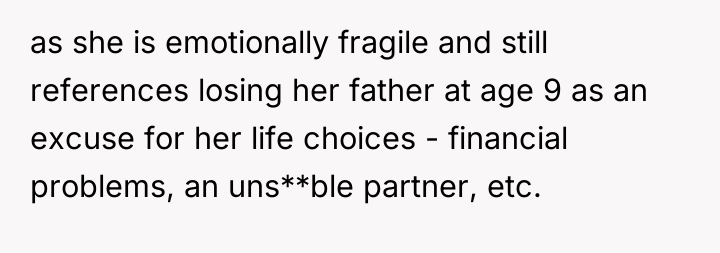
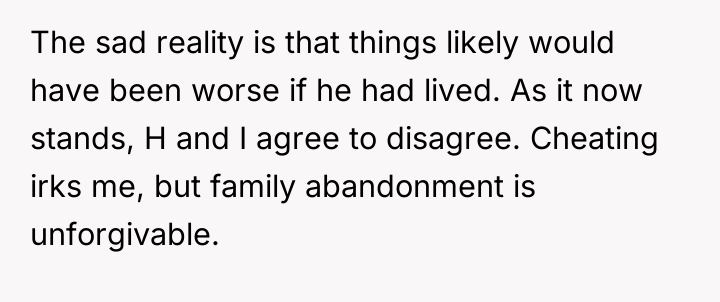
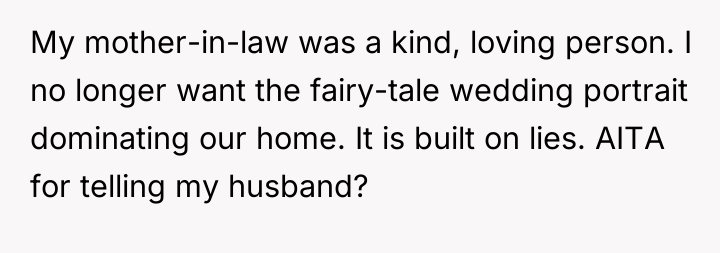
Decades later, the past crept back in through a cousin’s unexpected question – had they forgiven the father? The question hung heavy, unspoken wounds resurfacing beneath the wedding portrait that still held a place of honor. What was once idolized now held secrets and silence, revealing the deep complexities of grief, love, and the haunting power of unanswered questions.


Subscribe to Our Newsletter
Dr. Harriet Lerner, a psychologist known for her work on family systems and boundaries, emphasizes that uncovering long-held family secrets often disrupts the existing equilibrium, regardless of how painful the truth is. The core issue here involves 'narrative construction'—how families create shared stories to cope with trauma. In this case, the narrative of the tragic, devoted father served a crucial function: it provided a noble context for the subsequent hardship, justifying the mother's widowhood and the children's sacrifices.
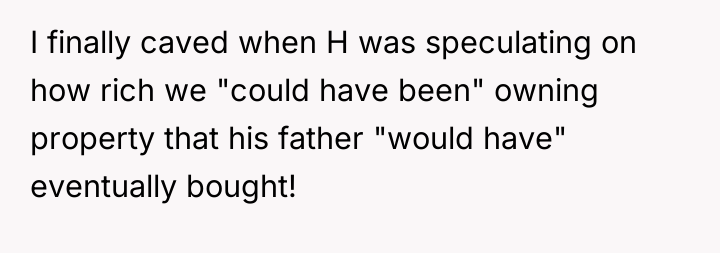
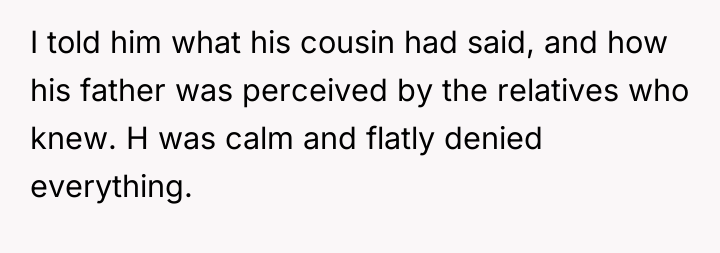
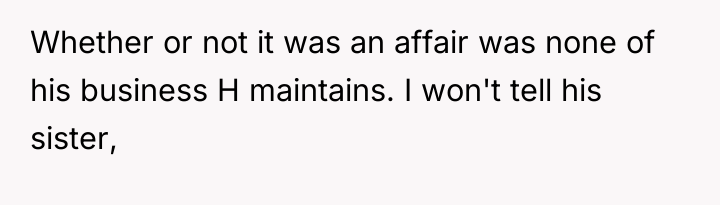
The husband’s reaction—calm denial and dismissal of the affair as irrelevant—suggests a defense mechanism against cognitive dissonance. Confronting the truth would force him to re-evaluate 40 years of perceived identity and filial piety, making the story of the hero father a cornerstone of his adult drive. The wife's motivation for revealing the truth, though rooted in ethical discomfort with deceit ('It is built on lies'), directly violates the established family boundary protecting the sister's fragile state and the husband's long-held belief system.
From a professional standpoint, the wife acted inappropriately by disclosing a truth contingent on the involvement of a third, emotionally vulnerable party (the sister) without consensus. While confronting lies is ethically important, applying that standard to a decades-old secret when the primary deceiver is deceased and others depend on the myth requires extreme caution. A more constructive approach would have been to first discuss the implications for *their* shared home (the portrait) with the husband, and only proceed with telling the sister if he initiated that path, ensuring they navigate the fallout as a unified front.
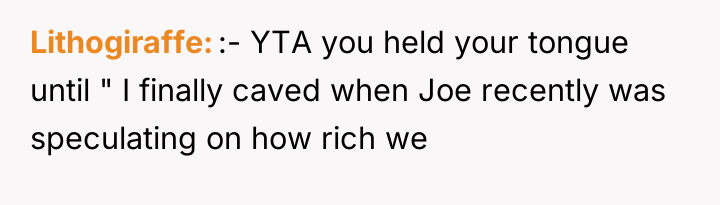
THE COMMENTS SECTION WENT WILD – REDDIT HAD *A LOT* TO SAY ABOUT THIS ONE.:
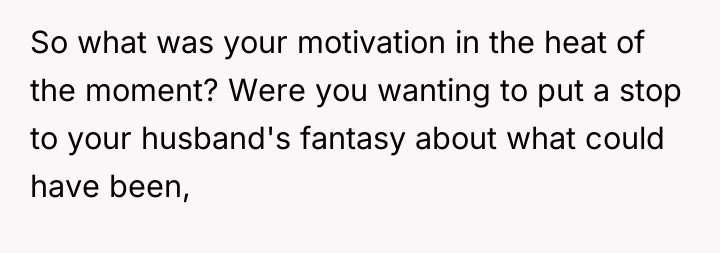
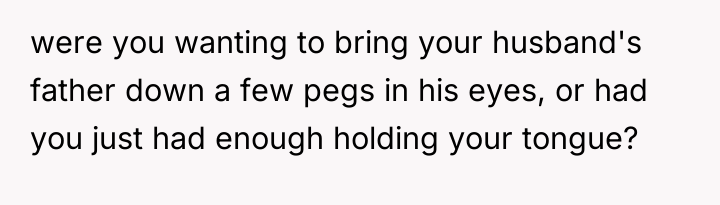
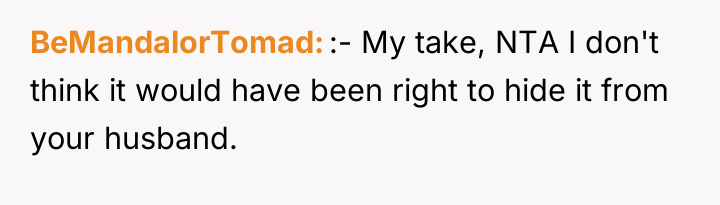
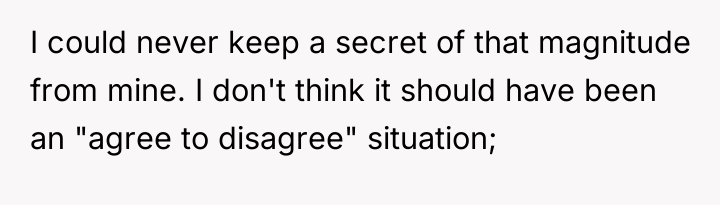
The thread exploded with reactions. Whether agreeing or disagreeing, everyone had something to say — and they said it loud.
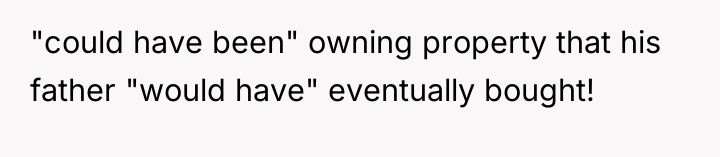
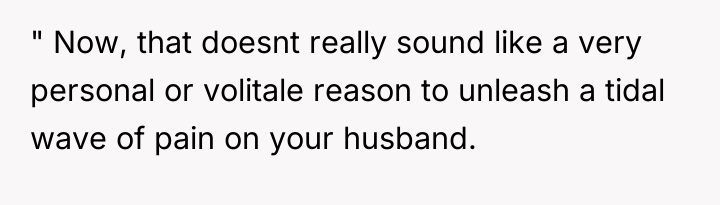

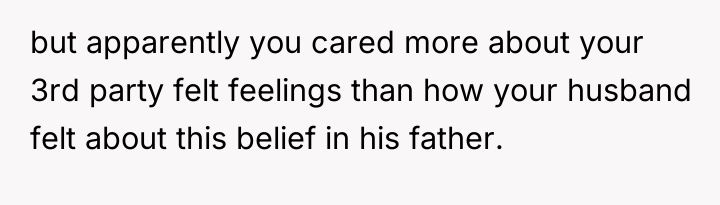


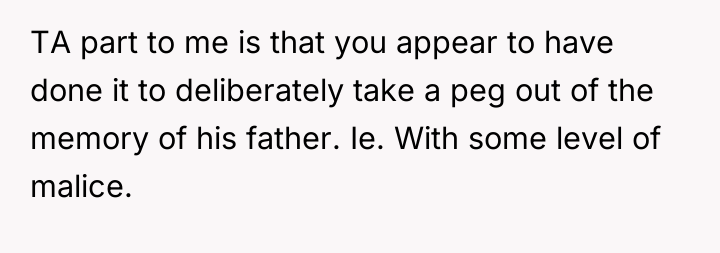
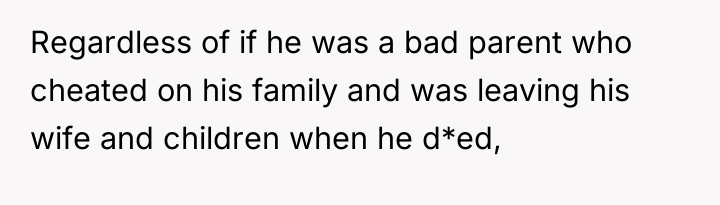
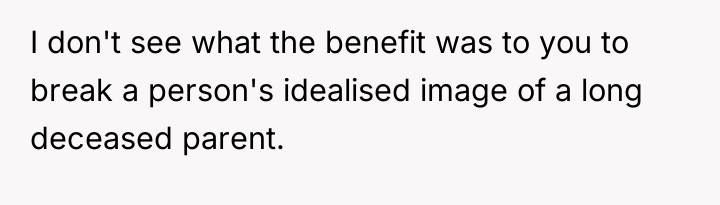
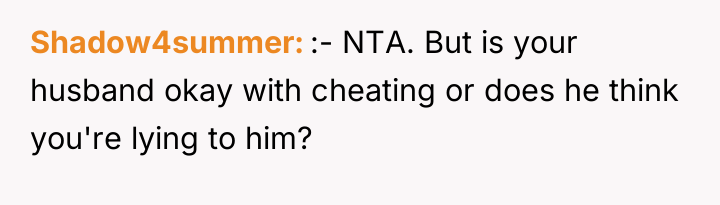
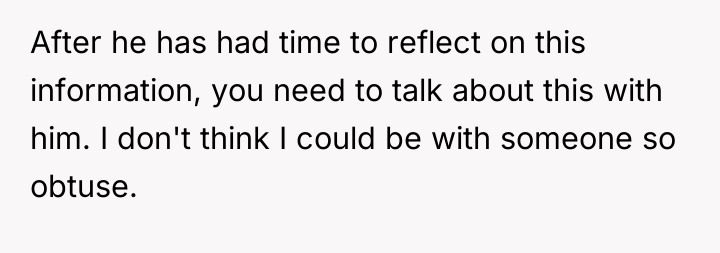












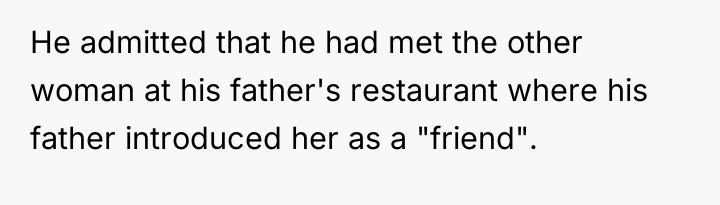
The individual is facing a severe emotional conflict between honoring the idealized memory of a lost parent and confronting the painful truth of that parent's deception and intended abandonment. The central tension lies in the realization that the family narrative, which fueled decades of sacrifice and shaped life choices, was built upon a significant lie regarding the deceased father's character and final intentions.
If the goal is to preserve the sister's fragile emotional stability versus maintaining radical honesty about a deceased person, should the wife prioritize the known, albeit painful, reality or the comforting, albeit false, foundation of the family's past narrative?