
AITAH for not financially supporting my transphobic parents?
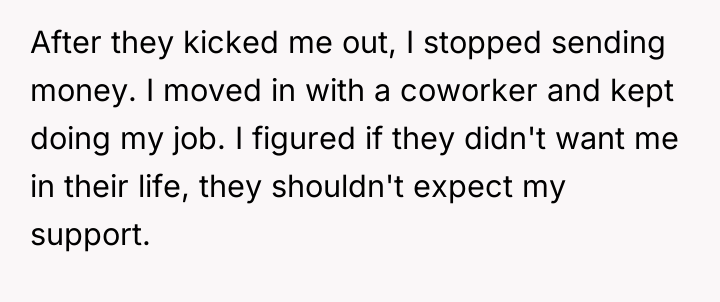
At just 21, he faced the unthinkable: revealing his true self to the people who should have loved him unconditionally, only to be met with cold silence and rejection. The weight of his parents’ words echoed louder than any acceptance could have, forcing him out of the home he had quietly sustained with his own hard work and resilience.
Betrayed yet unbroken, he chose survival over sorrow, stepping into a new life fueled by the strength of independence and self-worth. Now, as the very people who cast him aside reach out in desperation, he stands at a crossroads, holding the power to rewrite the story they tried to erase.




Subscribe to Our Newsletter
According to family systems theory, as articulated by experts like Murray Bowen, differentiation of self is crucial, especially during times of stress or disagreement. In this situation, the 21-year-old (OP) achieved a significant, albeit forced, differentiation by leaving the home after an ultimatum. The parents, conversely, are exhibiting highly reactive behavior by immediately seeking the financial support they previously denied the OP's personhood.
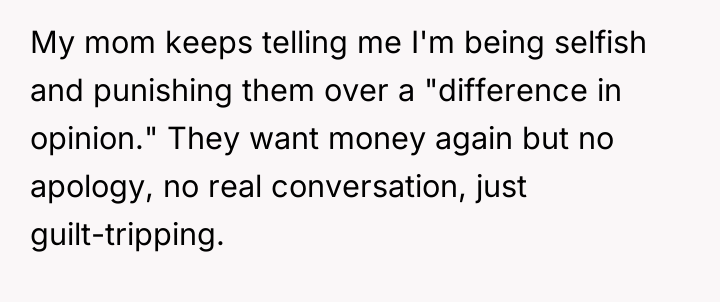
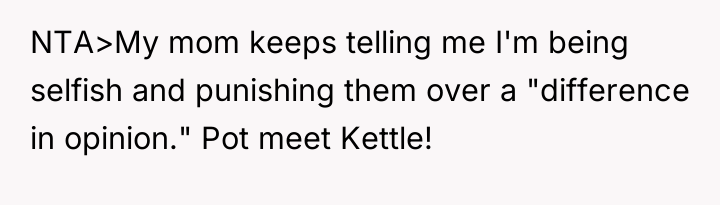
The parents' actions—kicking out their dependent child upon learning about their gender identity and simultaneously relying on that child for financial stability—demonstrate a severe breakdown in boundaries and a transactional view of the parental relationship. They prioritized their discomfort with the OP's identity over the basic needs of their child, creating the very crisis they now blame the OP for. The mother's framing of the situation as the OP 'punishing them over a difference in opinion' is a classic example of DARVO (Deny, Attack, and Reverse Victim and Offender), deflecting responsibility from their decision to enforce an expulsion.
From a professional standpoint, the OP's initial decision to cease financial contributions immediately following the expulsion was a necessary step in establishing financial and emotional autonomy, directly linking their support to their acceptance within the household structure. The recommendation for the OP is to maintain the current boundary. Future engagement should only occur if the parents first offer a genuine apology for the expulsion and demonstrate a commitment to understanding and respecting the OP's identity. Financial aid, if considered later, should be framed as a gift, not an obligation, and conditional upon mutual respect.
HERE’S HOW REDDIT BLEW UP AFTER HEARING THIS – PEOPLE COULDN’T BELIEVE IT.:
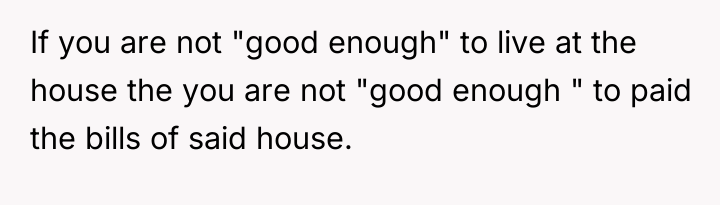
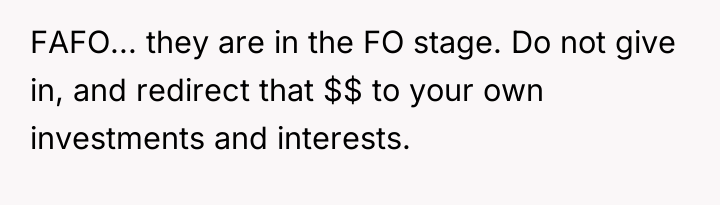
It didn’t take long before the comment section turned into a battleground of strong opinions and even stronger emotions.






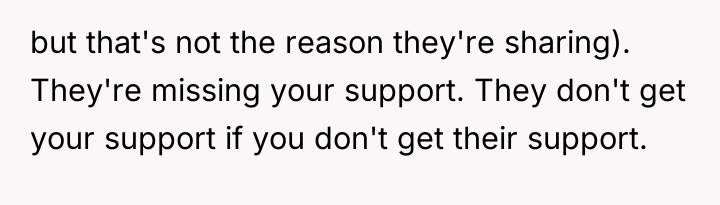




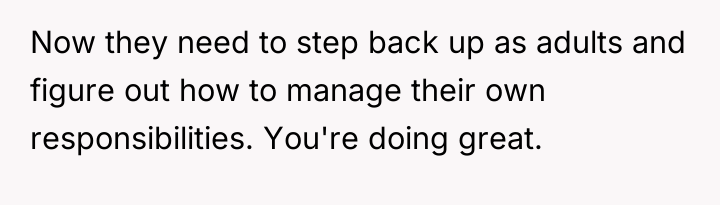


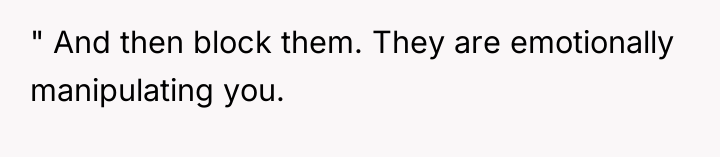



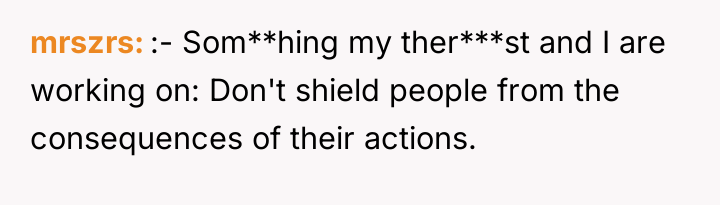





The individual is experiencing intense conflict between feeling sympathy for their parents' resulting financial hardship and upholding the boundary set by being forced out of their home due to their identity. The core struggle lies in reconciling the emotional obligation felt toward family with the self-preservation required after an act of rejection.
When a family expels a dependent child after rejecting their core identity, is that action a justifiable statement of personal belief that severs financial ties, or does the subsequent financial crisis create an ongoing moral obligation to provide support despite the prior rejection?