
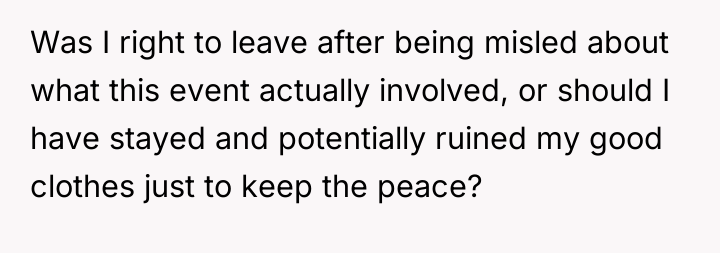
AITA for leaving a volunteer event when I wasn't told about manual labor beforehand?
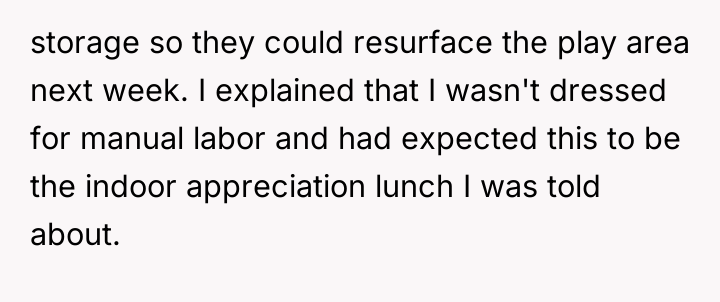
What began as a simple gesture of friendship and community quickly unraveled into a harsh lesson in expectation and acceptance. Invited to a seemingly warm and casual volunteer appreciation lunch, she arrived with kindness in hand, only to be met with demands and judgment that shattered her sense of belonging in an instant.
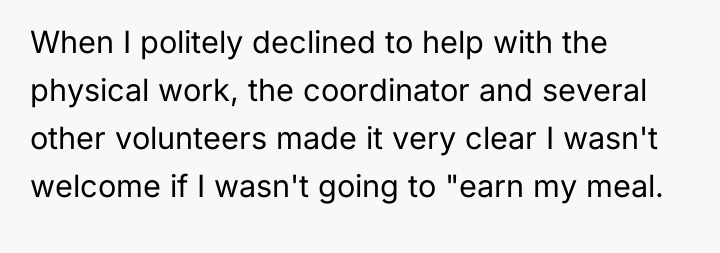
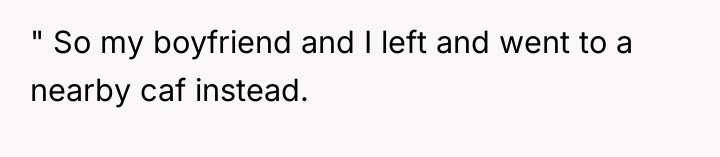
The promise of gratitude turned into an uncomfortable ultimatum: labor before lunch, or no place at the table. In that moment, the line between welcome and rejection was drawn sharply, leaving her and her boyfriend to walk away from a gathering where kindness was conditional and true appreciation was nowhere to be found.

Subscribe to Our Newsletter
Dr. Harriet Lerner, an expert in psychology and interpersonal relationships, often emphasizes the importance of setting and maintaining personal boundaries. In this scenario, the core issue revolves around misrepresentation and boundary violations. The OP was explicitly invited to an 'appreciation lunch,' leading to a reasonable expectation regarding attire and activity level. The sudden demand for strenuous manual labor without prior notice constitutes a significant breach of the implied contract of the invitation.
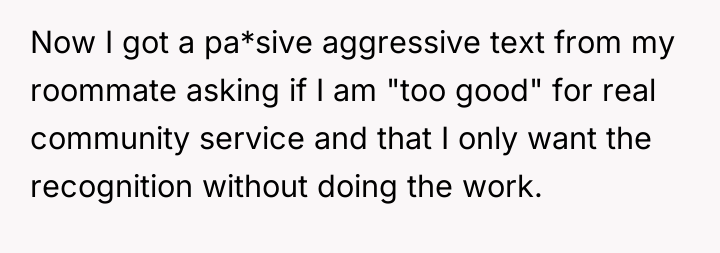
The motivations of the volunteer coordinator suggest a transactional view of participation, where attendance is conditional upon immediate, visible labor, disregarding the OP's stated readiness for the advertised event. The roommate's passive-aggressive text reflects potential cognitive dissonance or pressure to conform to the group's standards, shifting blame onto the OP for upholding their expectations. The OP's decision to leave was a direct, albeit emotionally charged, response to being misled and feeling unwelcome based on their non-compliance with an unstated condition.
The OP acted appropriately in leaving when the terms of engagement changed without consent, especially when physical property (clothing) was at risk. To handle this more effectively in the future, the OP could aim for clearer communication upfront: a simple follow-up question like, 'Just confirming, is this purely a seated lunch, or should I anticipate any light setup/cleanup?' If misled again, a calm, factual response to the roommate, such as, 'I left because the event was changed from a lunch to manual labor without notice, which I was not equipped for,' is more constructive than silence or matching passive aggression.
THE COMMENTS SECTION WENT WILD – REDDIT HAD *A LOT* TO SAY ABOUT THIS ONE.:
This one sparked a storm. The comments range from brutally honest to surprisingly supportive — and everything in between.
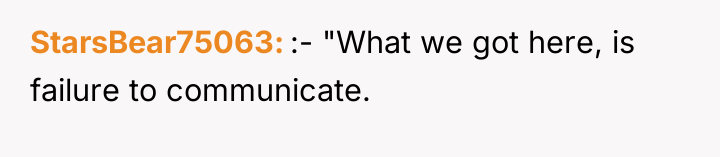
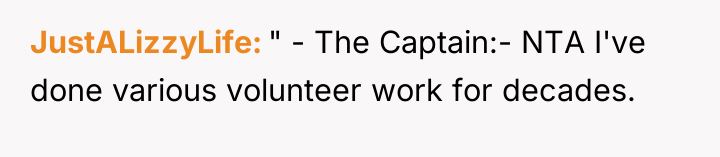

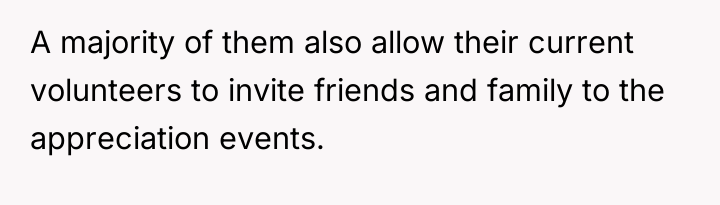
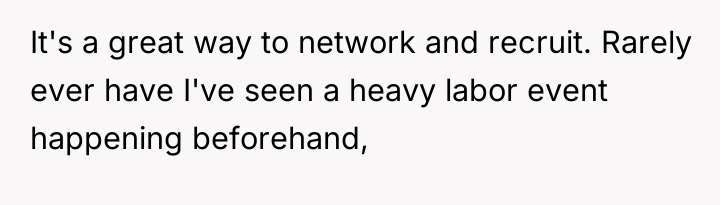
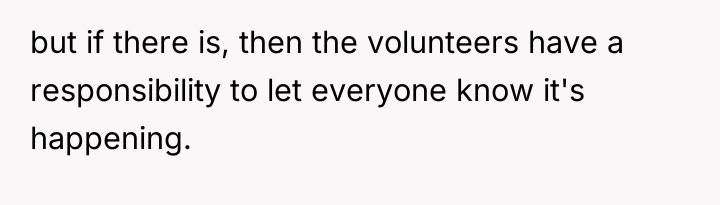
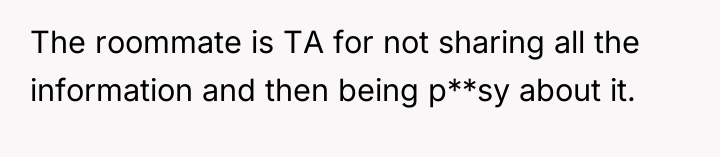
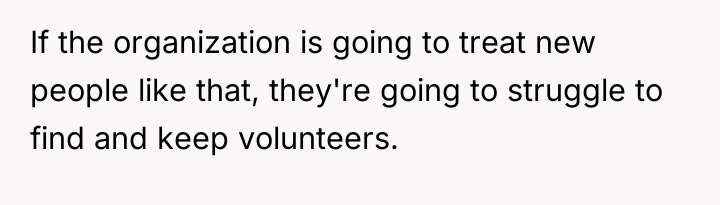

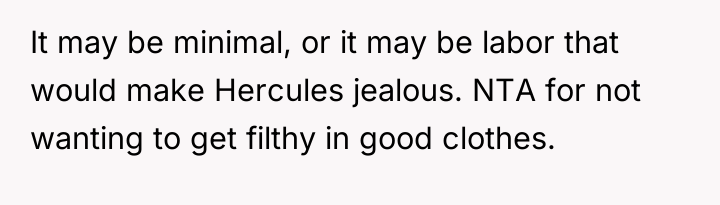
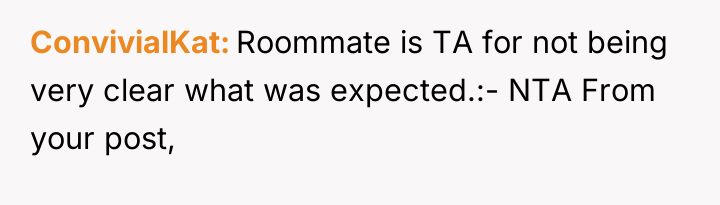
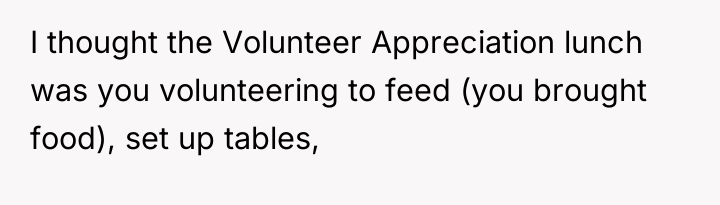
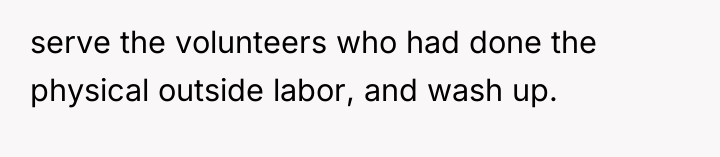


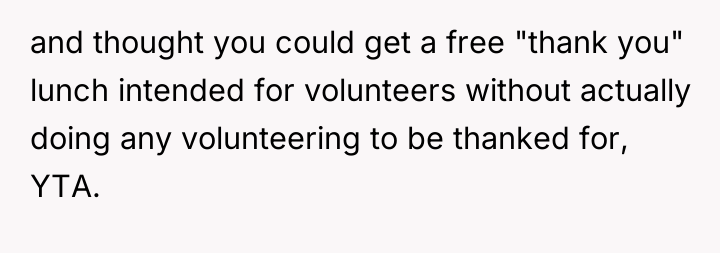
The individual faced a difficult situation where the reality of an event drastically contradicted its description, leading to an immediate conflict between their preparation and the unexpected demands placed upon them. They prioritized avoiding physical damage to their clothing and refusing to participate under duress over maintaining social harmony with their roommate and the center organizers.
When initial expectations are deliberately misrepresented, is the obligation to attend or participate stronger than the right to withdraw from an activity that violates prior agreements and expectations of attire and activity?