Mother Refuses To Take Son To In-Laws' When Their Other Grandchild Is Present Because She Is Violent, Faces Criticism For Separating Family
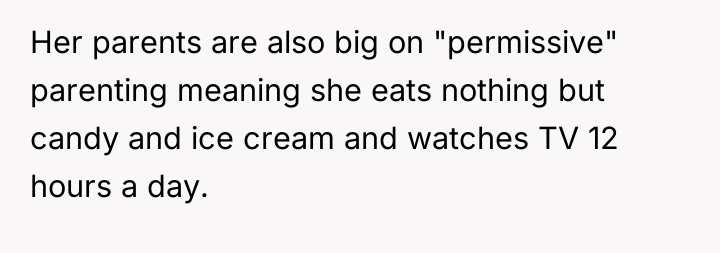
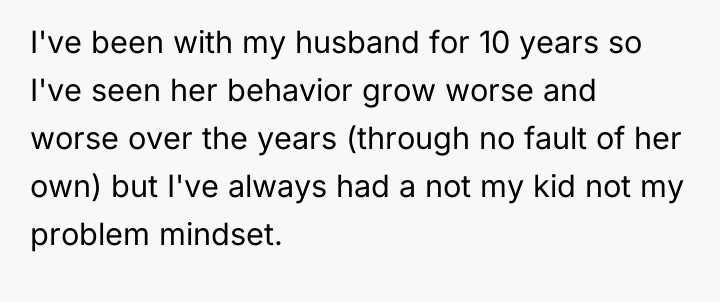
In a family dominated by boys, the lone girl shines brightly, a cherished princess wrapped in the softest cocoon of indulgence. Her sweetness and intelligence are undeniable, yet the weight of being the only granddaughter has wrapped her in a bubble of endless candy, screen time, and unchecked whims. The toll of permissive parenting and over-spoiling is quietly shaping her world, unnoticed by many but deeply felt by those who watch closely.
Amidst the chaos of caring for a newborn and expecting another, the family's fragile balance begins to fray. What was once a distant observation now inches closer to home, stirring a realization that her struggles are no longer someone else’s problem. The story unfolds at the intersection of love, responsibility, and the urgent need for change before the princess’s world spirals beyond repair.



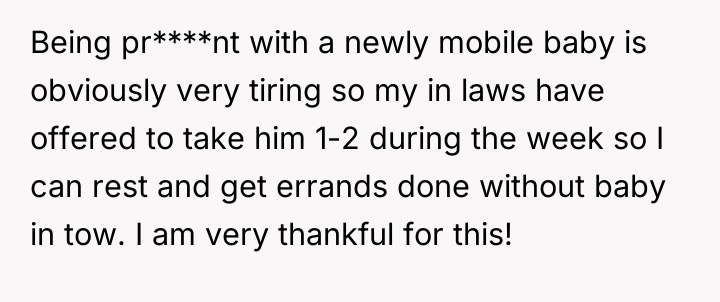





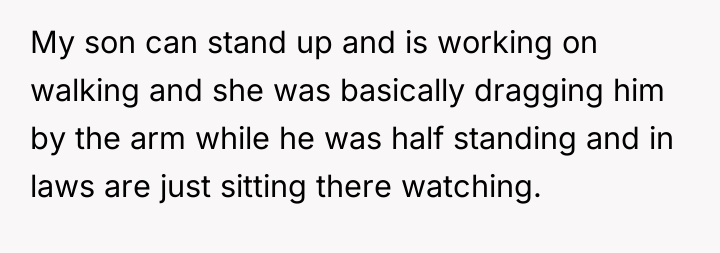

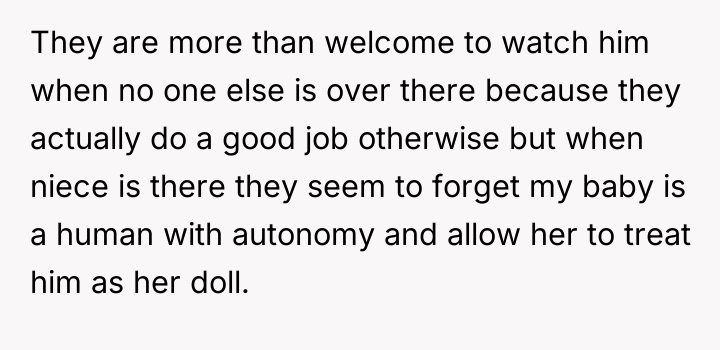


According to Dr. Becky Kennedy, a clinical psychologist specializing in parenting, 'Boundaries are not about controlling other people; they are about clearly stating what you will or will not accept for your own family.' This situation perfectly illustrates the necessary application of boundaries when external caregiving environments clash with a child's established needs.
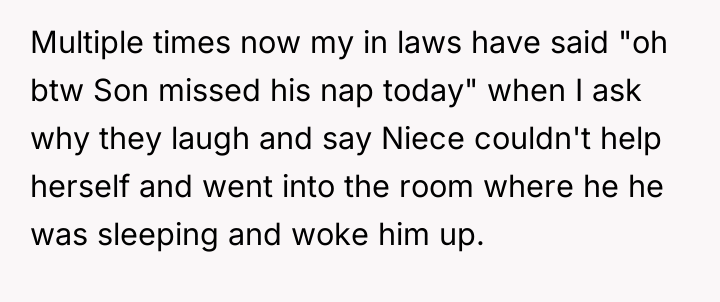
The narrator’s motivation is rooted in protecting their 10-month-old son from physical harm (being yanked) and developmental disruption (missed naps). The in-laws’ behavior—dismissing the son's schedule, allowing property infringement (books), and passively enabling rough handling—suggests a breakdown in their role as responsible caregivers when the niece is present. This dynamic is often seen when grandparents, overly focused on indulging one child (the niece), fail to recognize their primary duty of safety and routine maintenance for the visiting infant.
The narrator was not wrong to be direct, especially given the pattern of ignored rules (waking the baby, taking books) leading up to the physical incident. Placing blame primarily on an 8-year-old is understandable as a protective measure, but the core issue rests with the adults who failed to supervise. Moving forward, the constructive recommendation is to maintain the boundary regarding the niece's presence during childcare, while clearly communicating to the in-laws that supervision must be active and prioritize the safety and routine of the visiting baby, irrespective of the niece's presence.
REDDIT USERS WERE STUNNED – YOU WON’T BELIEVE SOME OF THESE REACTIONS.:
It didn’t take long before the comment section turned into a battleground of strong opinions and even stronger emotions.

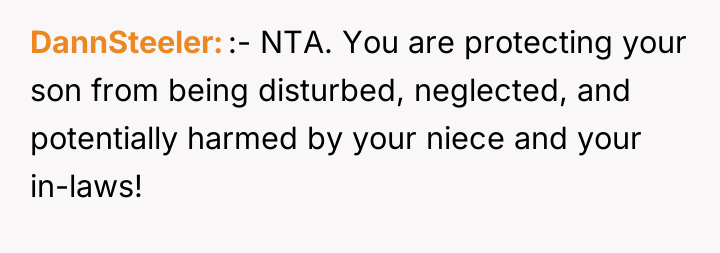

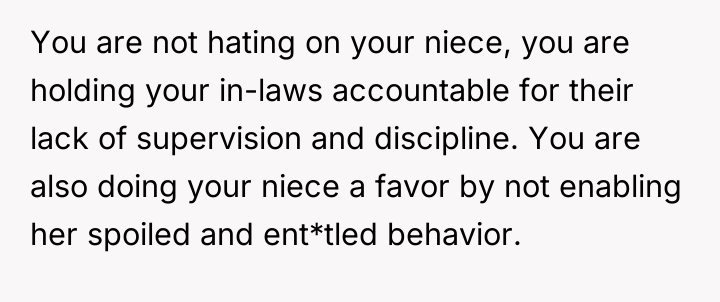







The narrator finds themselves in a difficult position, torn between gratitude for the in-laws' support and the urgent need to protect their young son from disruptive and potentially harmful behavior fostered under their roof. The central conflict lies in upholding necessary boundaries for their child's well-being against the in-laws' deep-seated favoritism toward their niece.
Is the narrator justified in setting a strict boundary that restricts childcare access based on the presence of a disruptive child, or should they have prioritized maintaining peace with the in-laws by offering a more generalized explanation for reducing visits?
Trending This Week
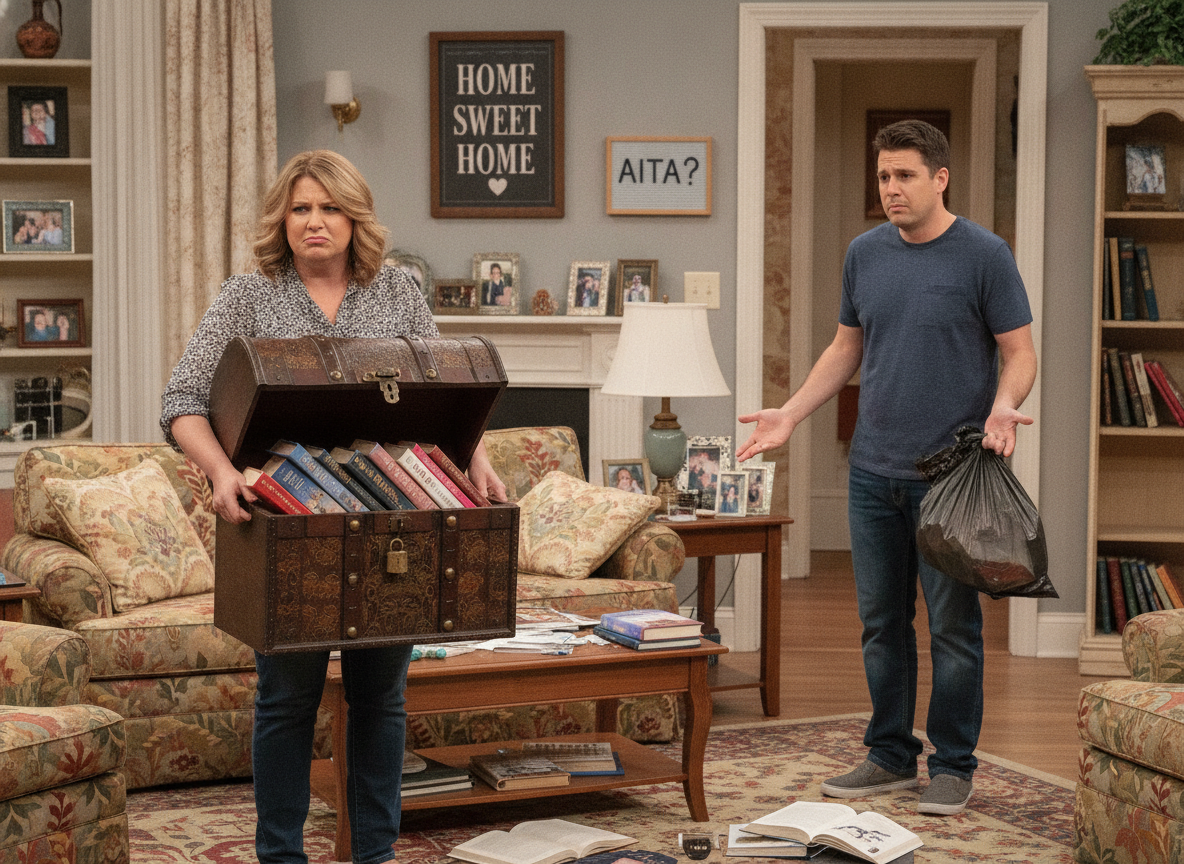
AITA for locking up my romance novels so my husband can’t throw them away?
I love reading romance novels, josei manga, webtoons, and short stories. My husband recently started having an issue with my books, claiming they were in the way, even though I keep them on a single bookshelf and they do not affect his life. I pay my half of the bills and do my share of the chores. After he made a comment about throwing my books out to have a fresh start, I bought a small locked cabinet to secure them. My husband tried to open it, found it locked, and became upset, accusing me of not trusting him and caring more about my books than him. Later, I came home to find him trying to put back together a flimsy book of mine that had lost some pages. He kept apologizing, saying he did not mean to ruin it. I asked him why he was acting this way, especially since this behavior only started after we moved from a two-bedroom apartment into a studio. He admitted he felt annoyed that I spent so much time reading romance novels instead of spending time with him. In our previous home, my reading was less visible because of our working arrangements. He explained that his past partners had cheated on him, causing him to lose his romantic side. Seeing me so engrossed in romance books made him feel like I wanted romance, but not with him. He also admitted feeling insecure because we are not an overtly affectionate couple, though he recognizes the many ways I show my love, which makes him feel guilty. He apologized for his actions and expressed that he was just frustrated and hurt.
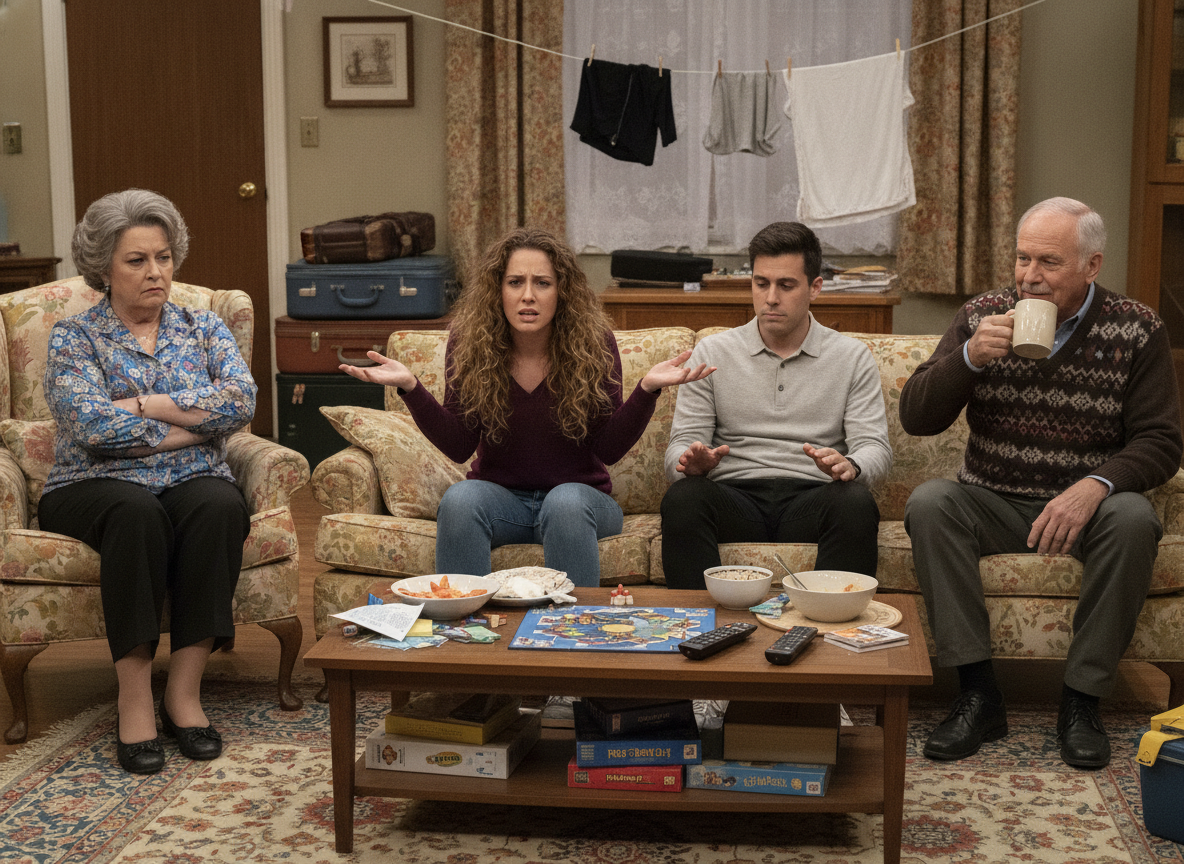
AITA for not wanting to "adjust" to my(28F) boyfriend's(26M) parents living with us for months at a time?
My boyfriend and I have been living together for three years in Australia. A few months ago, his parents arrived from India to live with us. Although I was excited to make them feel comfortable, their demands soon made me feel uneasy in my own home. They were uncomfortable with us sleeping in the same room, resulting in my boyfriend sleeping in the living room for two months. The mother took over the kitchen and excluded me from grocery shopping, and they did not acknowledge me as his girlfriend in front of friends or help with cleaning. They also rearranged furniture against our requests, and his father expressed concern that I was not helping in the kitchen, which was untrue. Furthermore, they credited my boyfriend for things he did not do and criticized my clothing, claiming it violated their family values. My primary issue is that my boyfriend did not acknowledge these problems or stand up for me. He dismissed my concerns, saying his parents were guests and his father was simply traditional. After they left, I moved to another city for a job, and our long-distance relationship has been great. However, he recently informed me that his parents are visiting again for two months, having booked the tickets without consulting me. He expects me to accept frequent, long visits as a condition of moving back in together. I feel my privacy and personal space are being disregarded, and I want him to consider my needs and set boundaries.

AITAH after kicking my boyfriend out for calling my daughter a snitch and spoiled brat?
I have been dating my boyfriend for a couple of years now. I have an eight-year-old daughter from a previous relationship, and he has a four-year-old son. My boyfriend and I have always bumped heads on parenting styles and discipline. He believes his son is too young to know better, but says my daughter should already know how to act, calling her disrespectful and spoiled. My daughter's father is in jail and no longer in her life, so she craves a father figure, but my boyfriend refuses to show her affection, calling it weird. Recently, he called her a spoiled brat for leaving her plate on the table and a snitch for reporting his son's behavior. When I saw my daughter cry, I asked him to apologize, but he refused. I kicked him out of my house, and now he claims I am being too dramatic.