AITAH for not seperating drinks in a cooler
In the quiet warmth of a sunny weekend, a simple barbecue meant to bring friends and neighbors together spiraled into an unexpected clash of responsibility and judgment. What began as a joyful gathering soon became a painful reminder of how quickly misunderstandings can fracture trust and leave a host feeling isolated in their own home.
Beneath the surface of laughter and shared meals, a single moment—a child reaching for a beer—sparked a wave of whispered accusations and strained relationships. The weight of unspoken blame settled heavily, turning a day of connection into a haunting lesson about boundaries, accountability, and the fragile nature of community.
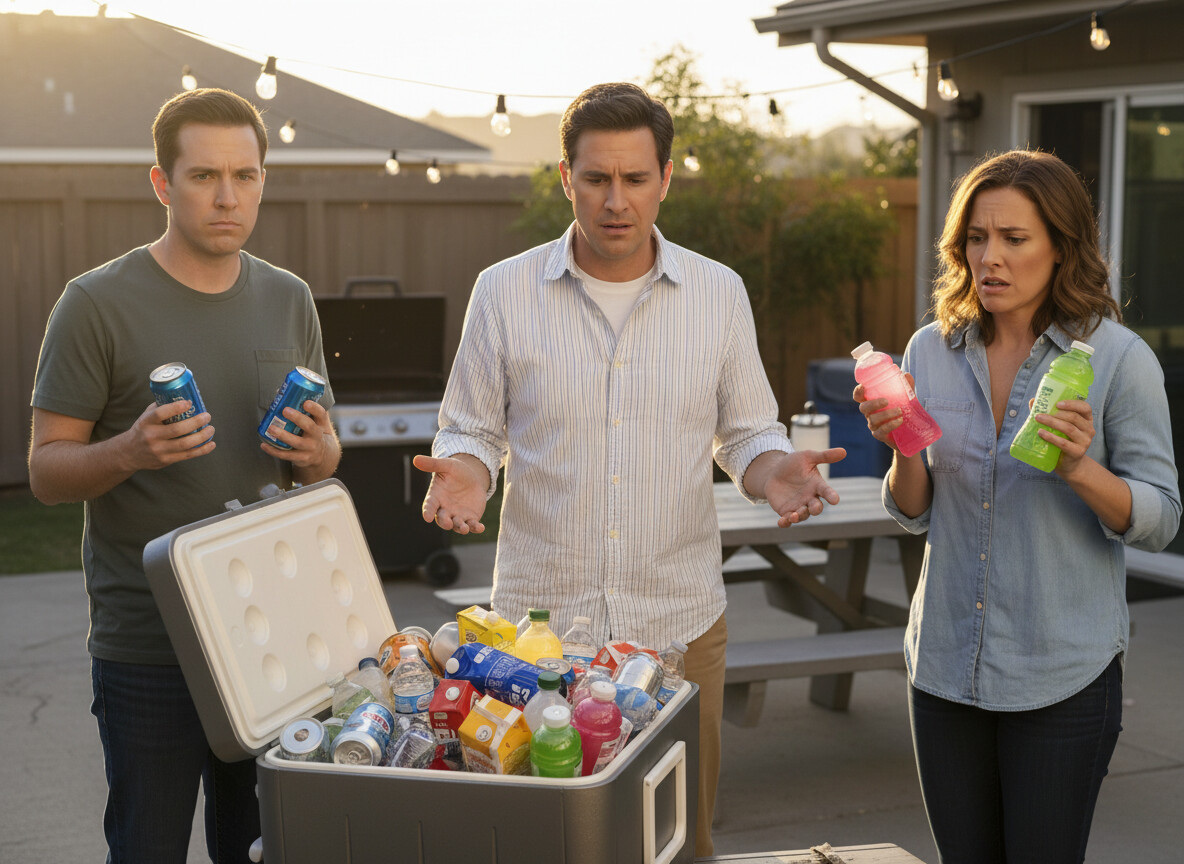

As renowned family therapist and researcher Dr. Terry Real explains, “Boundaries are not about controlling other people; they are about defining what is acceptable for you.” In this scenario, the OP established a boundary by hosting an adult-oriented social event, evidenced by the presence of a cooler full of beer. However, when hosting in a mixed environment (adults and children), the host's inherent boundaries must adapt to accommodate the safety of minors present, even if those minors are not directly under the host's care.
The conflict arose from differing perceptions of liability and active supervision. The OP felt the parent should have maintained constant vigilance over the eight-year-old, which is standard parental protocol. Conversely, the parent projected their responsibility for boundary enforcement onto the host by implying the alcohol should have been physically inaccessible. While the OP was not legally liable for the child's immediate actions, hosting implies a baseline level of environmental awareness regarding foreseeable risks. An eight-year-old is old enough to understand instructions but young enough to test boundaries impulsively, especially when items (like beer cans) are visible and easily reachable.
The OP's action of removing the beer was appropriate; however, the subsequent reaction escalated the situation. A constructive approach in the future would involve proactive communication or physical mitigation. If a host intends to serve alcohol but wishes to prevent access by minors, the most effective strategy is to place the alcohol in a separate, secured location (e.g., a closed cabinet or a separate cooler explicitly labeled 'Adults Only') and to gently inform parents upon arrival that alcohol is present but secured. This preemptive step protects the child, reduces parental anxiety, and minimizes the likelihood of direct confrontation during the event.
HERE’S HOW REDDIT BLEW UP AFTER HEARING THIS – PEOPLE COULDN’T BELIEVE IT.:
What started as a simple post quickly turned into a wildfire of opinions, with users chiming in from all sides.
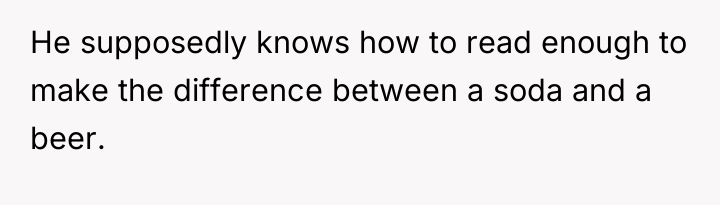
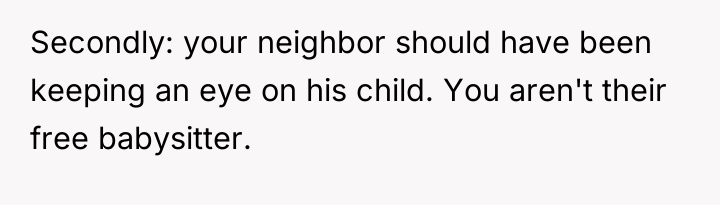
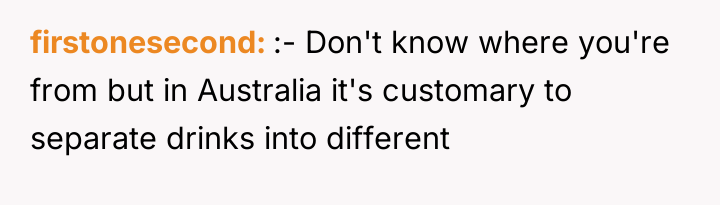


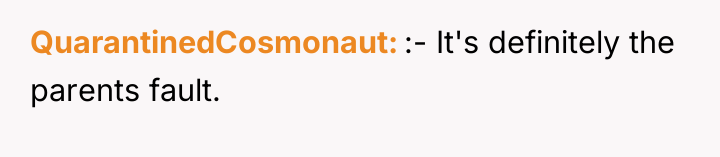

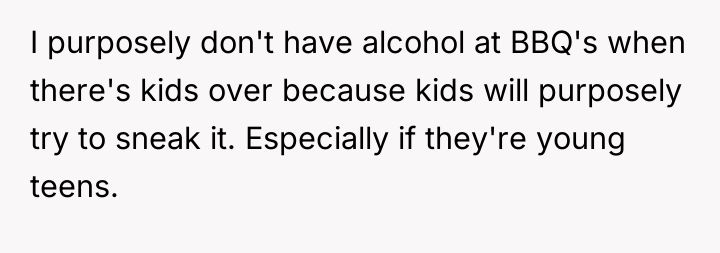

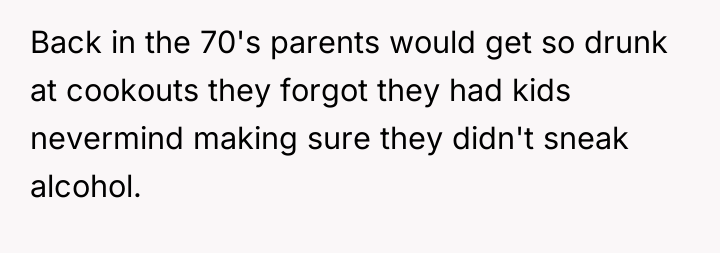


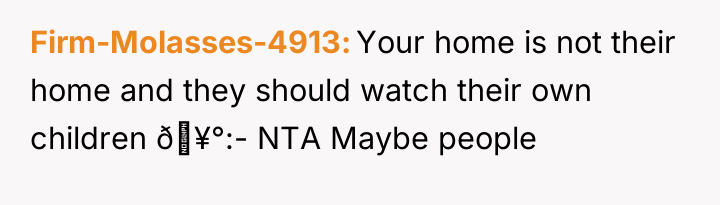

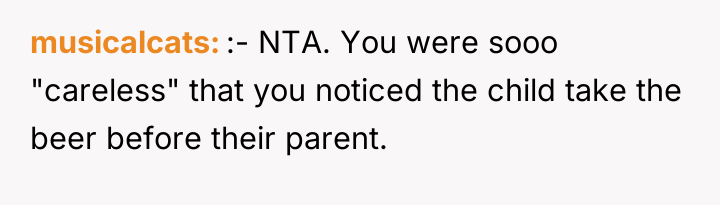

The original poster (OP) experienced an uncomfortable confrontation at their own gathering when a guest's child accessed alcohol, leading to tension with the parent and perceived negative judgment from other neighbors. The central conflict lies between the OP's expectation that parents are primarily responsible for supervising their children in a social setting and the neighbor's belief that the host holds responsibility for securing potentially hazardous items like alcohol.
Considering the host's right to set the environment versus the duty of care owed to a guest's minor child in a private setting, was the OP primarily at fault for poor party setup, or did the parent fail in their immediate supervisory duties? This situation forces a debate on shared versus distinct responsibilities in social hosting involving minors.
Trending This Week

AITA for staying anonymous after reporting my sister and her husband to CPS?
My sister met her husband when she was pregnant with another man's child. She never told anyone in the family who the father is, and she never told the father about the child either. Her husband refused to include my nephew in the wedding or treat him as his own. Since they had their own children, his bad treatment of my nephew has become worse. He refuses to watch my nephew, threatens to let him starve, and says he would not stop him from getting hurt. My sister ignores this and defends her husband. I reported this to Child Protective Services anonymously. They investigated but did not remove my nephew because there were no physical injuries. My sister is angry about the report and wants to find out who made it. Some of my family think it is cowardly to stay anonymous, but I worry that if my sister finds out it was me, I will never see my nephew again.

AITA for telling my sister that her husband is having an affair?
I am seventeen years old, and my twenty-five-year-old sister is married to a thirty-eight-year-old man named James. Recently, while having lunch at a restaurant with a friend, I saw James with another woman. They appeared to be on an intimate date. My friend advised me to record them instead of confronting them immediately, so we gathered video proof. I went straight to my sister's house and showed her the footage. Instead of being sad, she became furious with me, accusing me of trying to ruin her marriage out of jealousy, and she kicked me out and blocked me. The next day, my sister arrived at our parents' house with her bags, having decided to leave James. She apologized to me, explaining that she already had suspicions but had reacted badly because she had fought hard against our family to marry him. Our father had previously warned her about James's manipulative nature and the age gap. My sister and I reconciled, and she is now proceeding with a divorce.

AITA for canceling stepdaughter's birthday party?
My stepdaughter is turning 18 and lives mostly with her mother. My husband works a lot but is a very involved father. He asked me to plan her birthday party, and I agreed, spending several hundred dollars and many hours of my own time to make sure everything was perfect. The conflict began when the biological mother demanded my husband buy over five thousand dollars in jewelry and concert tickets for their daughter, which we could not afford. When my husband refused, the biological mother drove to our home, stood in our driveway, and began screaming and cursing at him. To defend my husband and our home, I went outside and told her to shut her mouth and that she had no right to speak to him that way. Although my stepdaughter was not present, her mother told her about the confrontation. Consequently, my stepdaughter uninvited me from the party I planned and funded, claiming she and her mother felt too uncomfortable to have me there. In response, I decided to cancel the reservations, catering, and decorations, choosing to redirect my money elsewhere.