AITAH for calling out my mom for lying about a family vacation I was excluded, lied to about, and asked to help for?
Betrayal cut deep as the narrator discovered they had been deliberately excluded from a family beach trip, a secret carefully hidden until a slip of the tongue shattered the illusion. Despite living in the same city and sharing intertwined lives, the narrator was left out, their presence erased from a gathering meant for kin, stirring a profound sense of isolation and hurt.
The sting of deception was compounded when the family, stranded and in need, turned to the very person they had shut out for help—only to confirm the painful truth the next day. Confronting their mother’s lies brought a raw confrontation, exposing fractures beneath the surface of family bonds and leaving the narrator grappling with the painful question of belonging and truth.

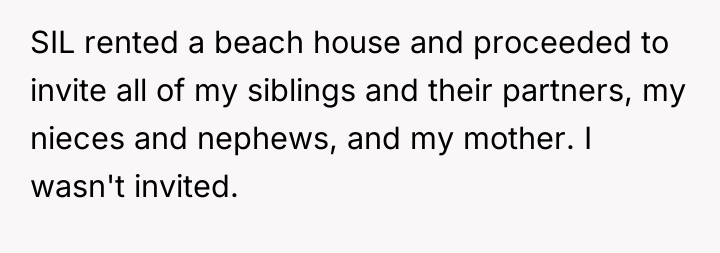

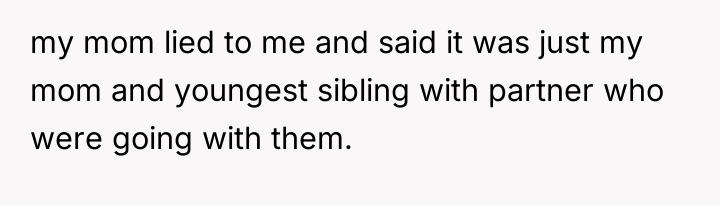
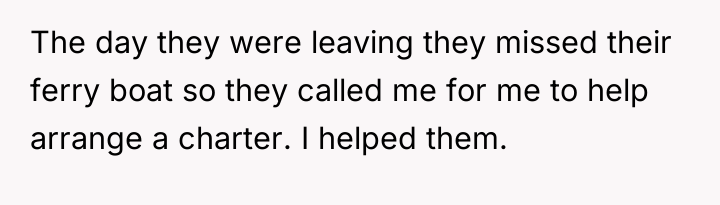
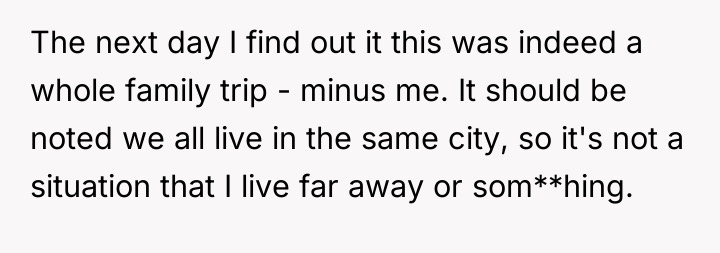
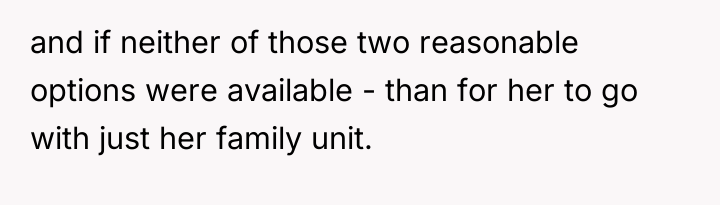
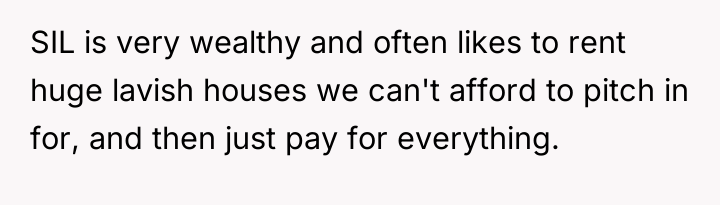
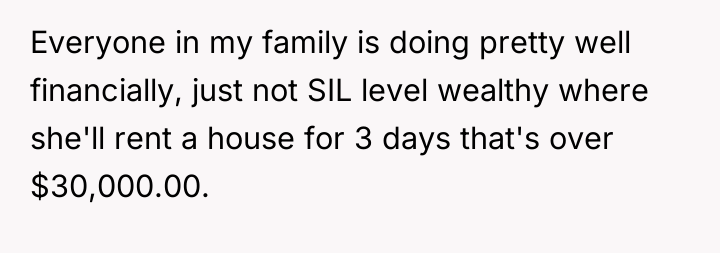

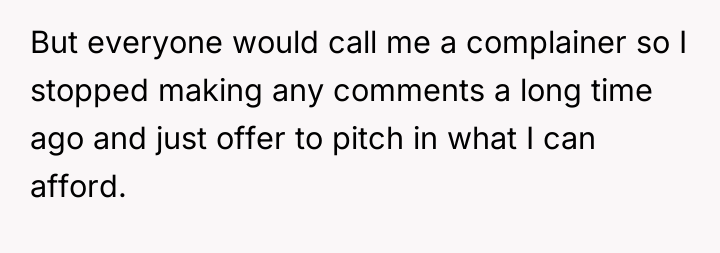
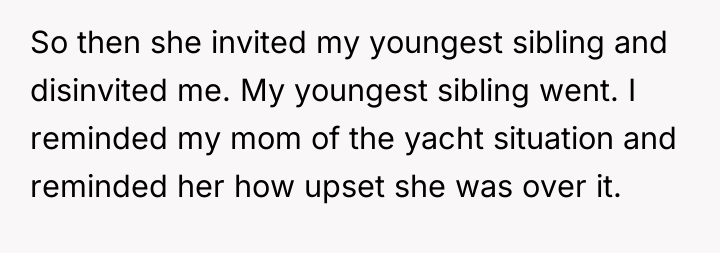
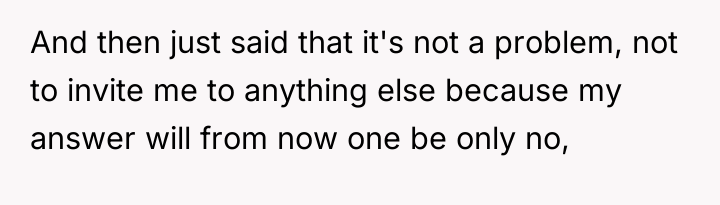
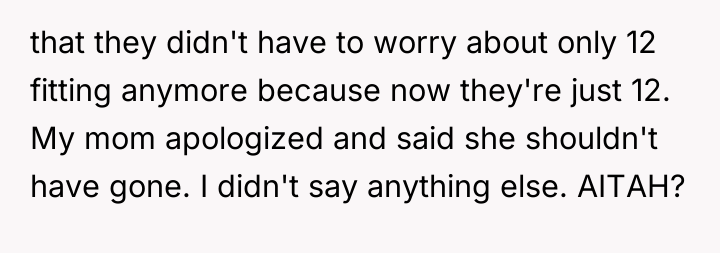

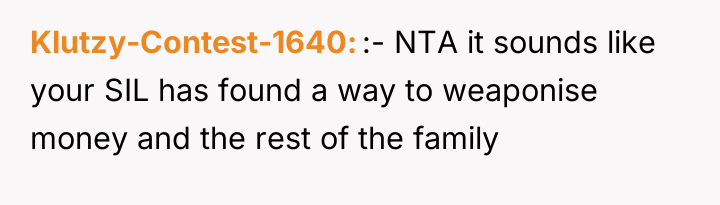
As renowned researcher Dr. Brené Brown explains, “Boundaries are the distance at which I can love you and me simultaneously.” This situation highlights a severe breach of relational boundaries, where the SIL established terms of engagement that prioritized her specific desires (the expensive rental) over the fundamental requirement of family inclusion, and the mother enabled this breach through deceit.
The core issue here is not the cost of the house but the perceived value of the OP as a family member. The SIL's behavior—repeatedly using exclusion as a tool (as seen in the prior yacht incident) and then leveraging her wealth to control social gatherings—suggests a dynamic where she dictates who belongs. The OP's mother, by lying and then weakly defending the exclusion based on housing capacity, prioritized maintaining superficial peace with the SIL over upholding honesty with her child. The OP's reaction, cutting off future participation, is a direct, albeit extreme, attempt to re-establish personal boundaries when communication failed.
The OP's final declaration that they will never accept future invitations is understandable as an emotional defense mechanism against predictable future hurt. However, it is a punitive response. A more constructive approach would be to communicate clearly with the mother and other supportive family members about the non-negotiable need for transparency going forward, rather than preemptively closing the door entirely. This allows the OP to maintain relationships that are respectful, even if it means declining specific events organized under the SIL's potentially toxic framework.
HERE’S HOW REDDIT BLEW UP AFTER HEARING THIS – PEOPLE COULDN’T BELIEVE IT.:
The crowd poured into the comments, bringing a blend of heated opinions, solid advice, and a few reality checks along the way.


Trending This Week
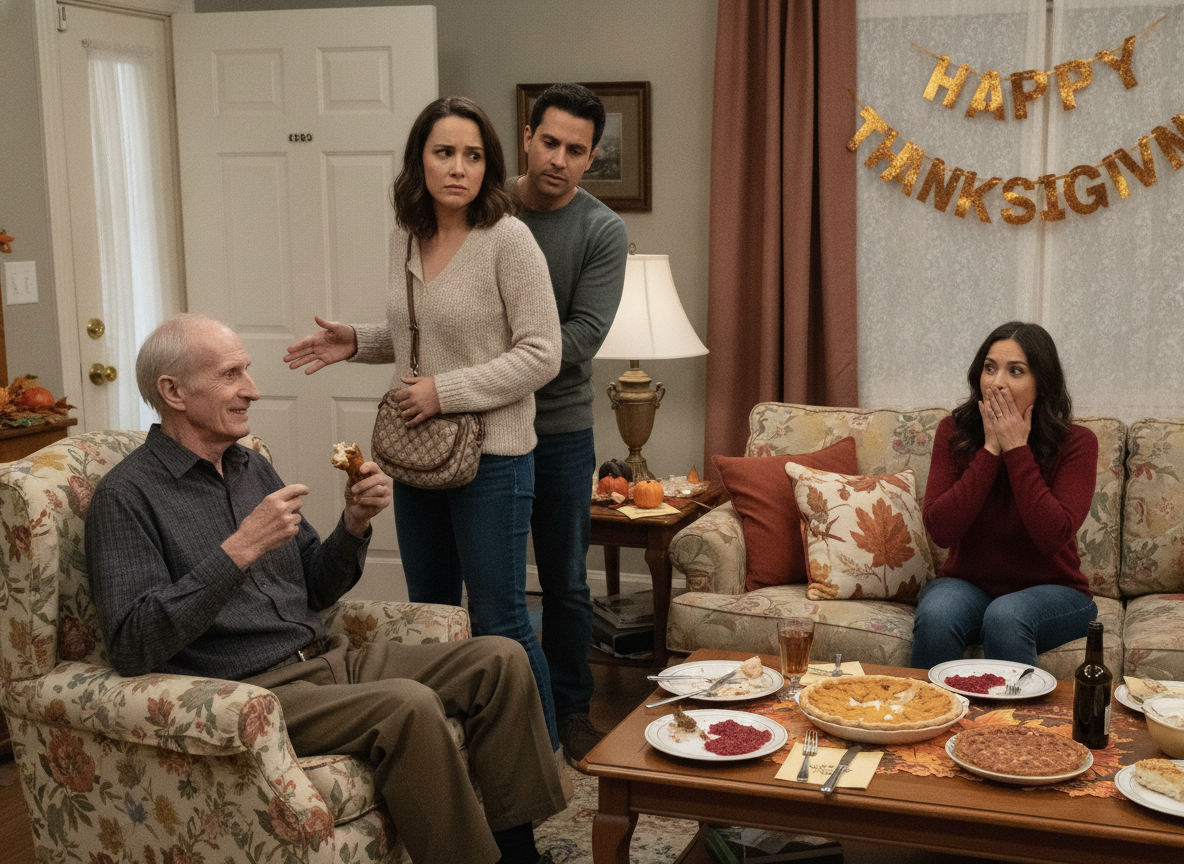
AITA for leaving Thanksgiving because my partner's creepy brother was there?
I and my partner have been friends for a few years and started dating more seriously early this year. This was the first time he invited me to Thanksgiving, which he called a Friendsgiving. His parents were hosting it, but it was mostly their friends and his friends, not extended family. For whatever reason, I assumed his brother would not be there. I have tried really hard to be nice to his brother, who has always made me uncomfortable with staring and hovering. Last year, my partner asked if his brother could join us on a road trip. I expressed my discomfort, but my partner assured me it would be fine. During the trip, I felt like I was babysitting him. A few weeks later, I discovered that his brother had posted lewd drawings of me online, which he had created during our trip. When I brought this up to my partner, he brushed it off, and I did not explicitly spell out how uncomfortable it made me. I made it clear that I did not want to be around his brother after that. When I had dinner with his parents, his brother usually stayed in his room. However, at the Friendsgiving dinner, his brother showed up and was seated right next to me. My partner did not warn me or try to prevent us from being seated together. Feeling overwhelmed, I decided to leave. I took the car keys, and when my partner asked what I was doing, I raised my voice in front of the guests, telling him he could choose between me and his brother. I drove away, leaving him at his parents' house, and went to stay with my sister.
AITA for not wanting to "adjust" to my(28F) boyfriend's(26M) parents living with us for months at a time?
My boyfriend and I have been living together for three years in Australia. A few months ago, his parents arrived from India to live with us. Although I was excited to make them feel comfortable, their demands soon made me feel uneasy in my own home. They were uncomfortable with us sleeping in the same room, resulting in my boyfriend sleeping in the living room for two months. The mother took over the kitchen and excluded me from grocery shopping, and they did not acknowledge me as his girlfriend in front of friends or help with cleaning. They also rearranged furniture against our requests, and his father expressed concern that I was not helping in the kitchen, which was untrue. Furthermore, they credited my boyfriend for things he did not do and criticized my clothing, claiming it violated their family values. My primary issue is that my boyfriend did not acknowledge these problems or stand up for me. He dismissed my concerns, saying his parents were guests and his father was simply traditional. After they left, I moved to another city for a job, and our long-distance relationship has been great. However, he recently informed me that his parents are visiting again for two months, having booked the tickets without consulting me. He expects me to accept frequent, long visits as a condition of moving back in together. I feel my privacy and personal space are being disregarded, and I want him to consider my needs and set boundaries.
UPDATE: AITA for blocking my friend of 10 years after she committed a HIPAA violation against me?
A close friend of ten years, Alice, used her work computer at a medical clinic to look up the author's health insurance information. Alice took a photo of the screen with her phone and sent the screenshot to the author, claiming she did it out of curiosity to help with the author's worsening health issues. However, the author never gave permission for this search. Furthermore, Alice's boyfriend had access to Alice's phone and laptop, raising concerns that the author's sensitive personal information, including name, address, and birthday, was exposed to an unauthorized third party. After the incident, the author blocked Alice due to her lack of a sincere apology. Another friend, Bella, dismissed the author's privacy concerns as Alice being playful, while a third friend, Cassie, initially validated the author but then ghosted them. Feeling isolated and recognizing the severity of the privacy breach, the author filed an official HIPAA complaint and eventually called the clinic's management to report the unauthorized access. The clinic launched an investigation, reviewed their access logs, and placed Alice on leave. They conducted an HR meeting and mandated HIPAA training for Alice while implementing new security measures to prevent future breaches. The author's friendship with the group ended, but the author felt reporting the incident was necessary to establish personal boundaries and secure closure.