I Tried to Help a Client but They Accused Me of Being Transphobic After Their Wax
In the quiet intimacy of her waxing room, a young woman confronts the unexpected, grappling not just with unfamiliar anatomy but with the fragile boundaries of identity and comfort. Each day she navigates the deeply personal landscapes of her clients, yet nothing prepared her for the moment where biology defies easy labels, and the human story behind the skin challenges her understanding.
This encounter becomes more than a routine appointment; it is a profound lesson in empathy and respect, reminding her that beneath every surface lies a complex truth. In the delicate balance of her profession, she is called to honor not just the body, but the essence of the person before her, embracing the unknown with compassion and grace.

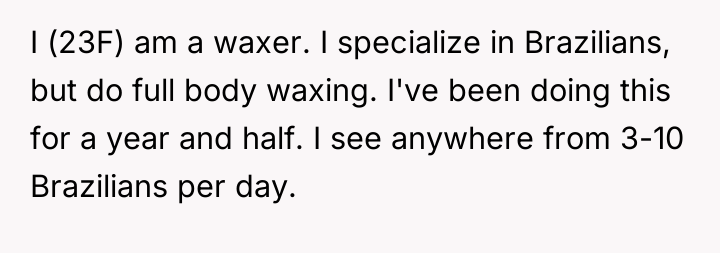
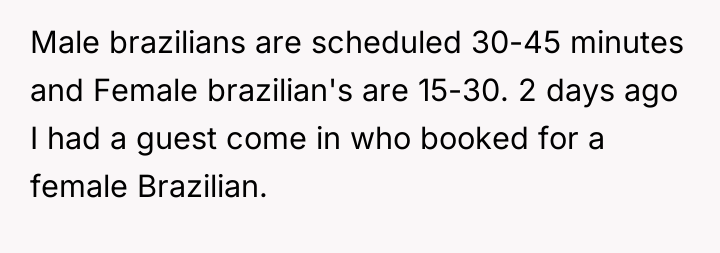
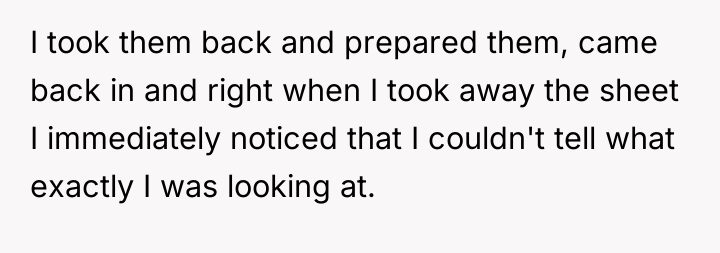
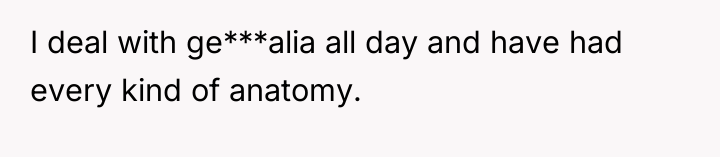
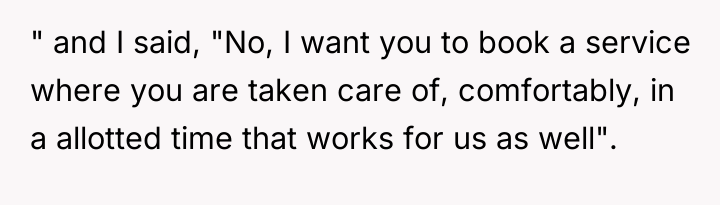
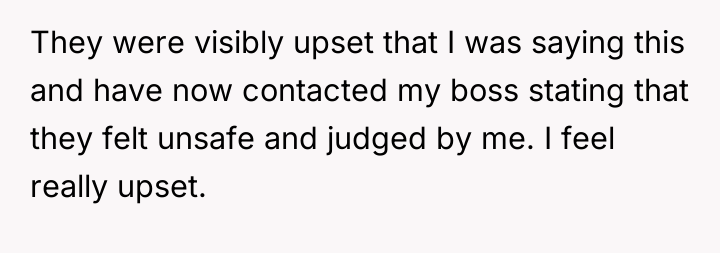
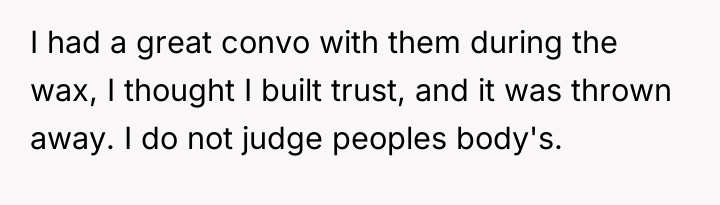
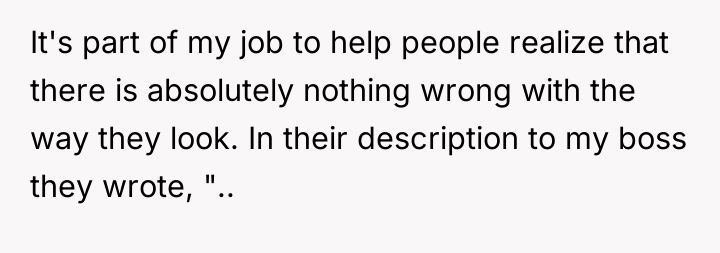
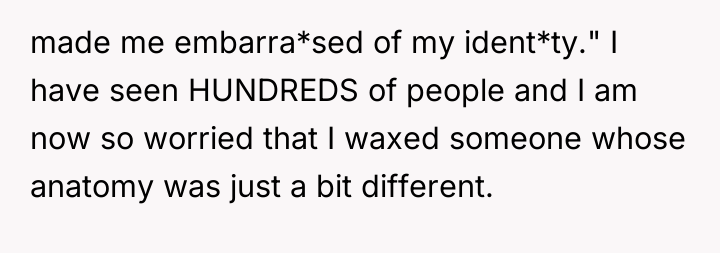
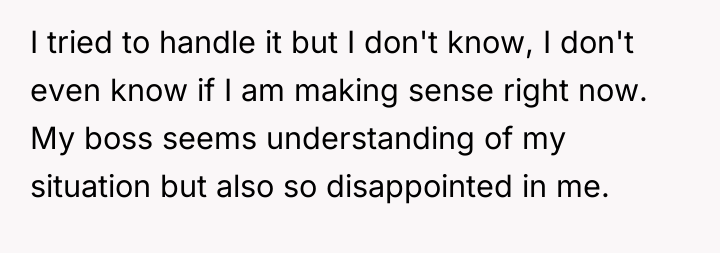
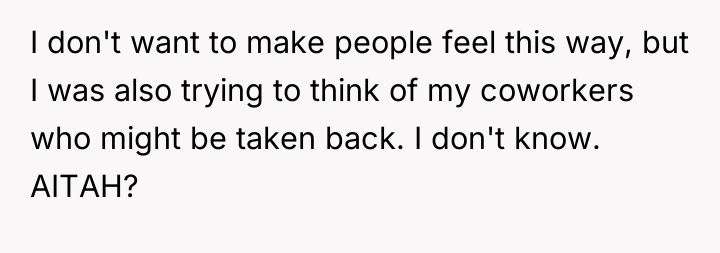
As renowned researcher Dr. Brené Brown explains, “Boundaries are the distance at which I can love you and me simultaneously.” In this scenario, the service provider attempted to establish a professional boundary related to time allocation and scheduling, but the delivery—linking the time difference to the client's anatomy—blurred the line between necessary business practice and personal scrutiny.
The core conflict here involves navigating professional duty versus sensitivity toward diverse client presentations. The waxer correctly identifies that anatomy variations require different time slots, a legitimate business concern, especially when accommodating factors like skin texture or complexity that impact service quality. However, when the client perceived the suggestion as a demand to book a service "meant for a man," the communication failed. The waxer's attempt to be sensitive by generalizing the need for extra time ("everybody has different anatomy") was undercut by the context of the perceived anatomical difference and the potential implication that certain anatomies belonged only in certain appointment slots.
The waxer's intentions, though mixed (caring for the client while considering coworkers), resulted in the client feeling exposed and judged regarding their identity. Moving forward, the waxer should focus communication strictly on service duration based on observable technical need (e.g., "This anatomy requires more detailed cleansing and waxing time than the standard slot allows") without referencing gendered service names or making assumptions about identity. Direct, process-focused communication, rather than identity-linked scheduling advice, maintains professionalism and builds trust.
AFTER THIS STORY DROPPED, REDDIT WENT INTO MELTDOWN MODE – CHECK OUT WHAT PEOPLE SAID.:
The thread exploded with reactions. Whether agreeing or disagreeing, everyone had something to say — and they said it loud.
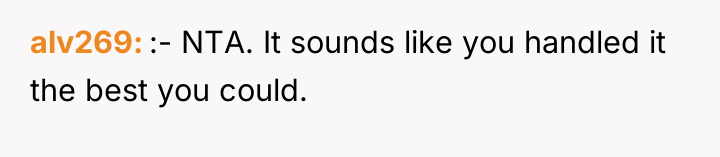
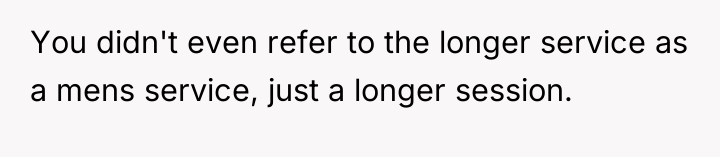
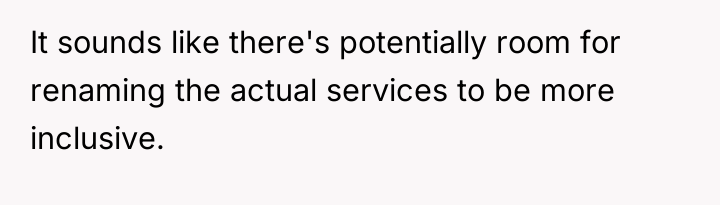
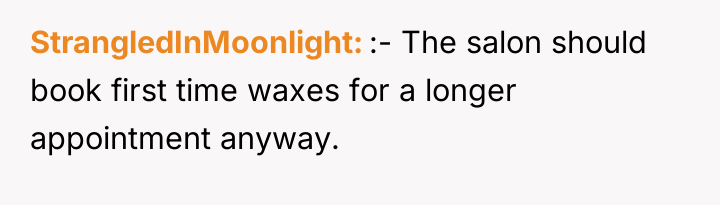
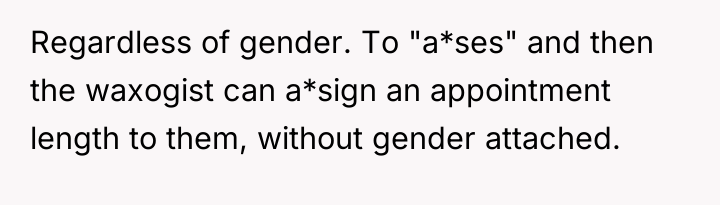


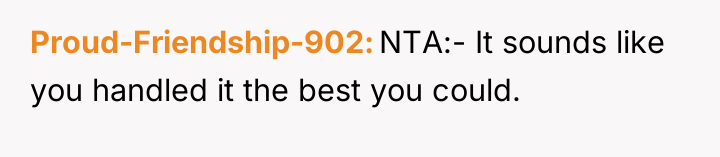
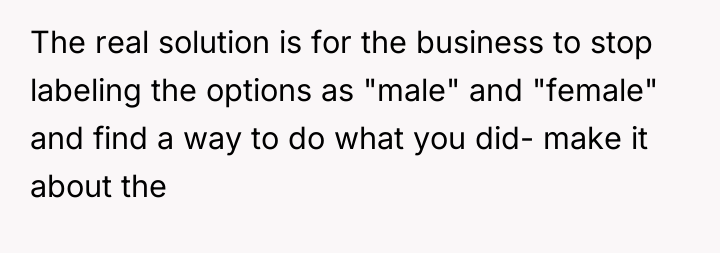
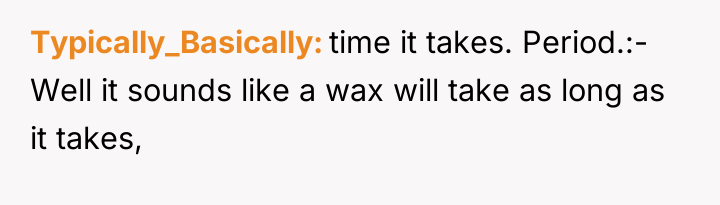
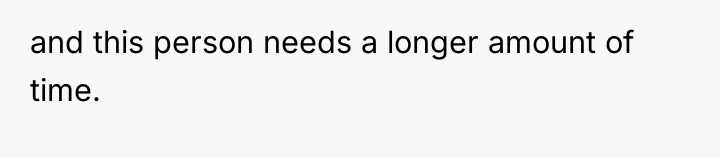
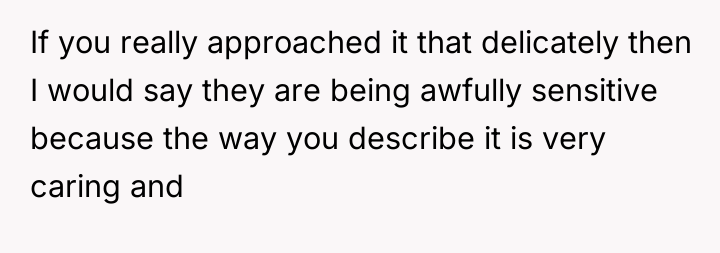

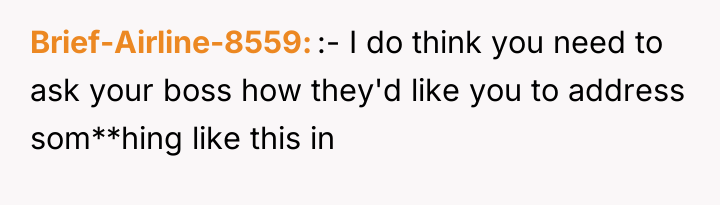
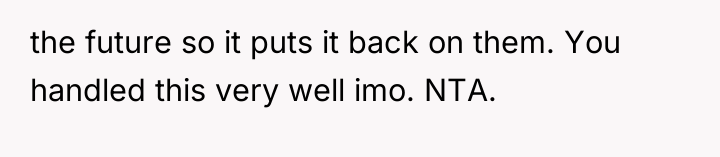
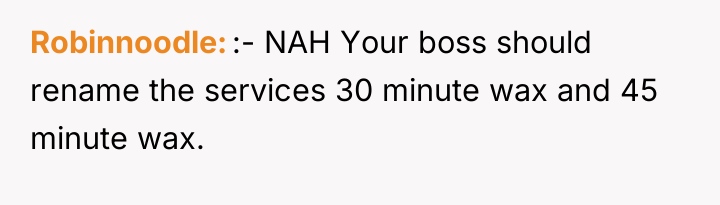
The waxer experienced professional difficulty when a client's anatomy did not fit standard booking categories, leading to an attempt to guide the client toward a longer appointment time. This attempt, while rooted in practical scheduling and consideration for coworker preparedness, was interpreted by the client as judgment and embarrassment regarding their identity.
Was the service provider justified in prioritizing scheduling accuracy and coworker readiness by suggesting a different service type, or did this suggestion cross a boundary and result in unnecessary emotional harm to a client seeking professional, non-judgmental care?
Trending This Week
AITA for staying anonymous after reporting my sister and her husband to CPS?
My sister met her husband when she was pregnant with another man's child. She never told anyone in the family who the father is, and she never told the father about the child either. Her husband refused to include my nephew in the wedding or treat him as his own. Since they had their own children, his bad treatment of my nephew has become worse. He refuses to watch my nephew, threatens to let him starve, and says he would not stop him from getting hurt. My sister ignores this and defends her husband. I reported this to Child Protective Services anonymously. They investigated but did not remove my nephew because there were no physical injuries. My sister is angry about the report and wants to find out who made it. Some of my family think it is cowardly to stay anonymous, but I worry that if my sister finds out it was me, I will never see my nephew again.
AITAH after kicking my boyfriend out for calling my daughter a snitch and spoiled brat?
I have been dating my boyfriend for a couple of years now. I have an eight-year-old daughter from a previous relationship, and he has a four-year-old son. My boyfriend and I have always bumped heads on parenting styles and discipline. He believes his son is too young to know better, but says my daughter should already know how to act, calling her disrespectful and spoiled. My daughter's father is in jail and no longer in her life, so she craves a father figure, but my boyfriend refuses to show her affection, calling it weird. Recently, he called her a spoiled brat for leaving her plate on the table and a snitch for reporting his son's behavior. When I saw my daughter cry, I asked him to apologize, but he refused. I kicked him out of my house, and now he claims I am being too dramatic.
AITAH for getting a dna test to see if i share the same dna as both my parents even though i was demanded specifically by my mom not to do so, since i was a child?
I have always suspected that I might not be biologically related to my parents. Growing up, my mother treated me and my younger brother very differently. I was disciplined more harshly, grounded for longer periods, and subjected to invasive phone searches, while my brother faced few consequences even when he got his girlfriend pregnant at sixteen. My father was mostly passive and uninvolved in my upbringing. Due to the toxic environment, I eventually moved 1,000 miles away with my spouse to find peace. My suspicions are fueled by physical and legal anomalies. I do not share my parents' physical features, such as their freckles or dark brown eyes, and I am the only person in both my immediate and extended family with a completely different last name. Whenever I questioned my mother about my last name, she became defensive and refused to explain. Recently, during a family visit, a card game prompted me to admit to getting a DNA test. My mother reacted with immediate anger and hostility, which caused me to panic and lie that I was joking. Despite promising my mother during my childhood that I would never take a DNA test, my curiosity led me to purchase a kit. My mother's oldest sister recently found a long-lost sister through a DNA test, yet my mother remains strictly opposed to me doing the same. I have sent my kit in and expect the results soon, but I feel immense guilt, as if searching for the truth is a betrayal that could ruin my family relationships.