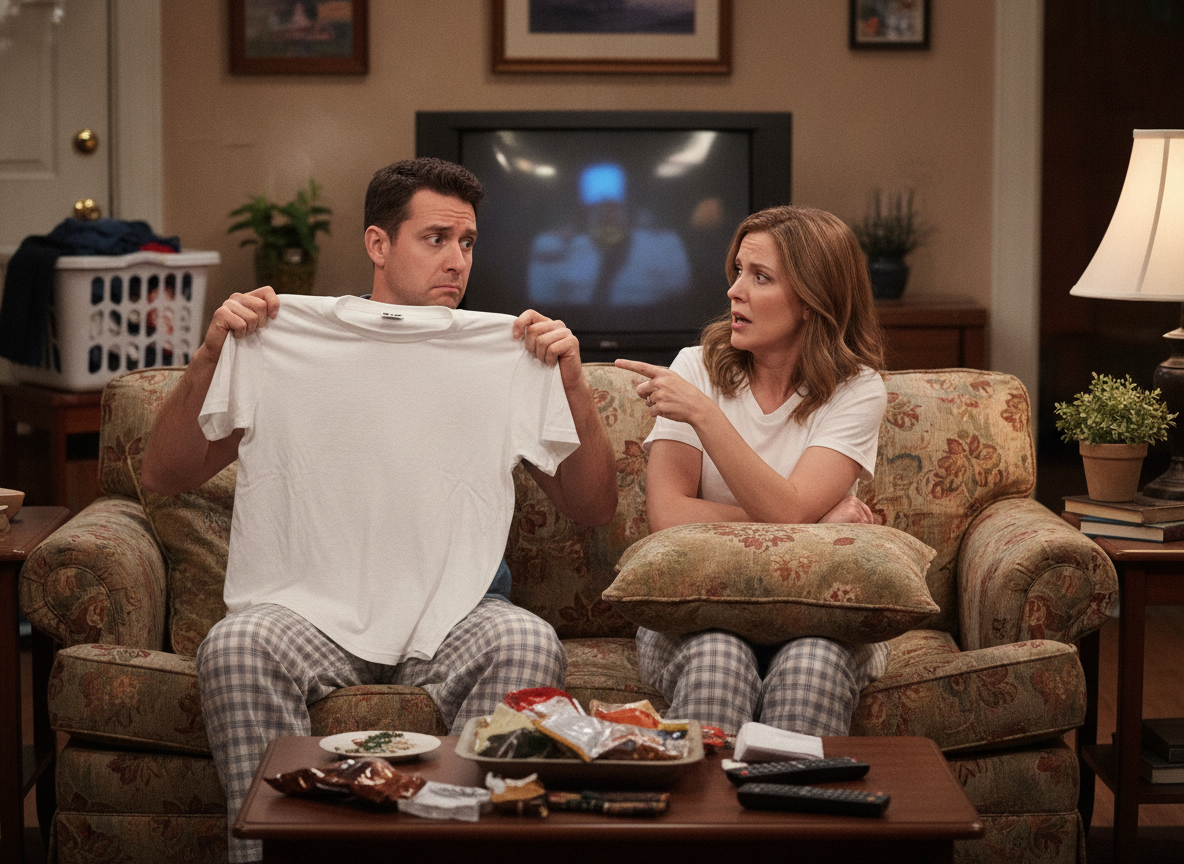
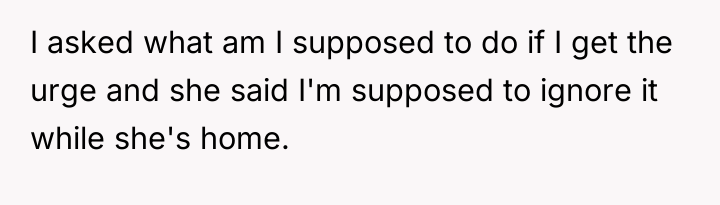
Wife refuses s*x but then gets mad at me for pleasuring myself while she is home
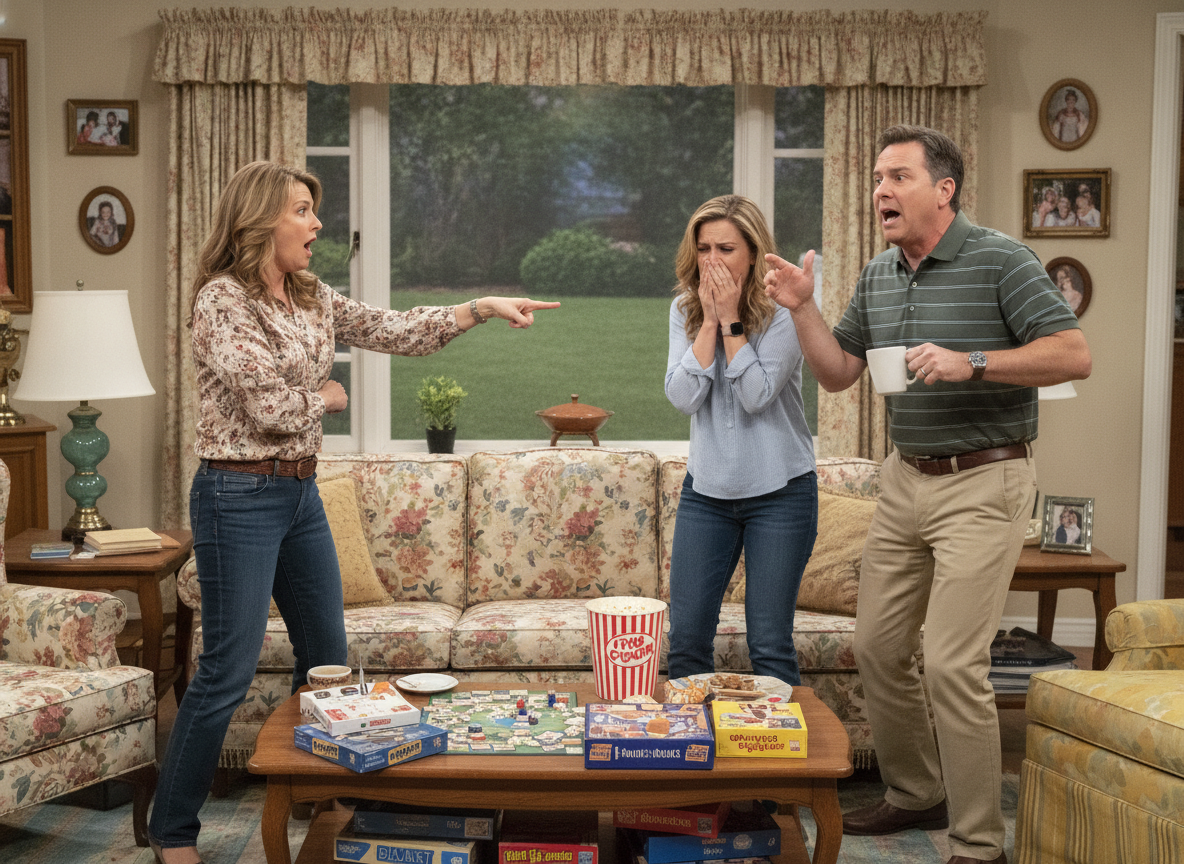
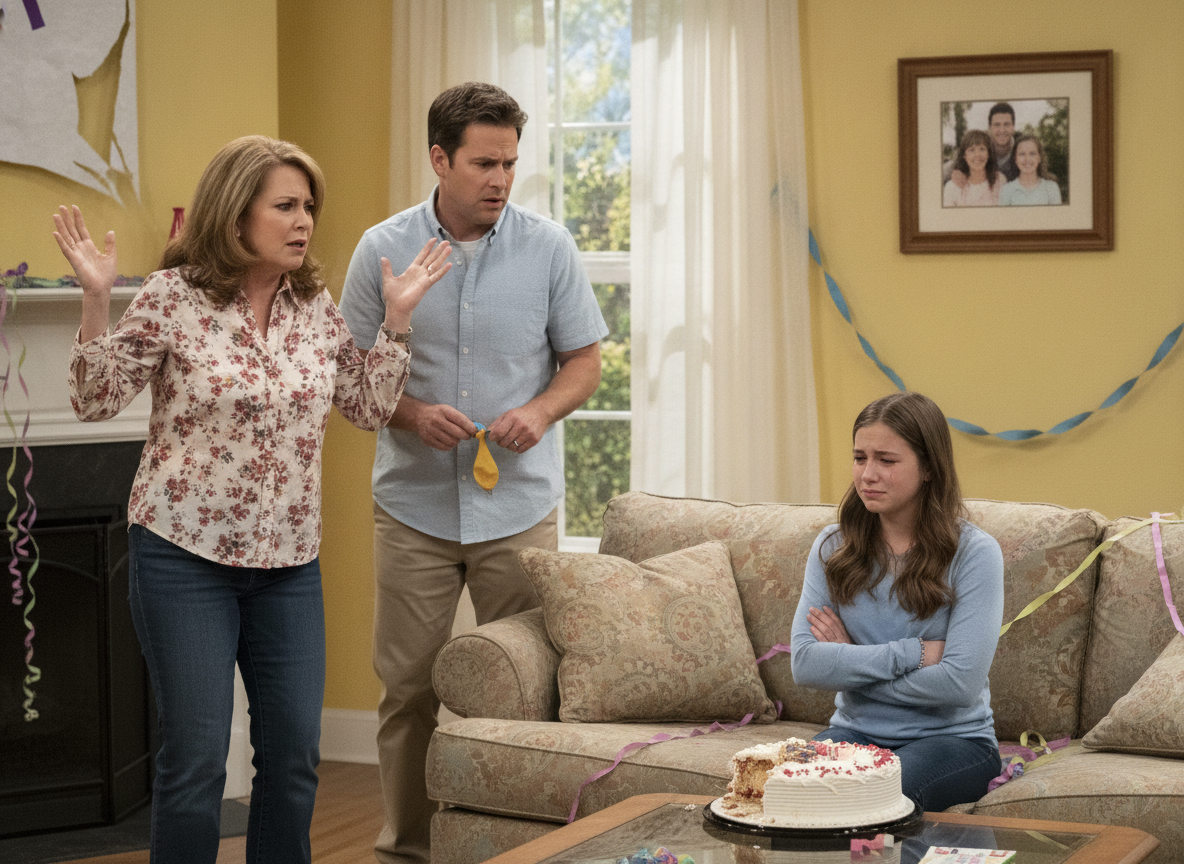
In the quiet corners of a four-year relationship, a man grapples with the aching disparity between his desire and his partner’s distant affection. What began as a shared passion has dwindled into rare encounters, leaving him isolated in his longing and confused by the silence that follows his vulnerable questions. Each rejection slices deeper, turning intimacy into a battlefield where love feels unspoken and needs go unmet.
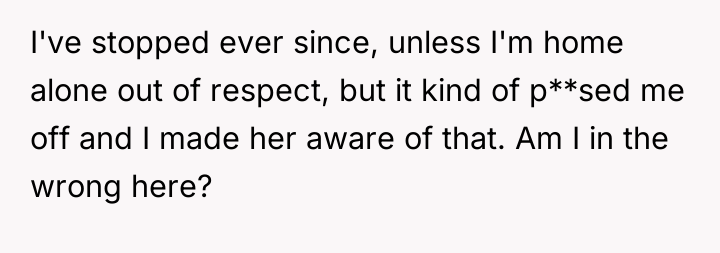
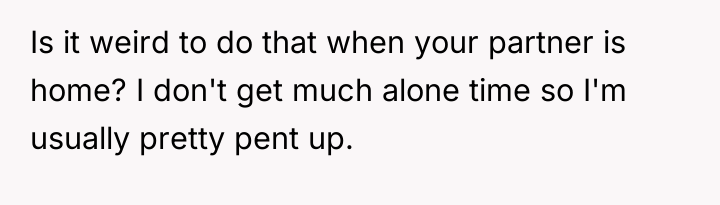
Caught between yearning and frustration, he seeks solace in solitude, only to be met with anger and accusations of disrespect. His private moments, meant to soothe his aching heart, become a source of conflict, highlighting the growing chasm between them. In this painful dance of love and neglect, he is left questioning not just their intimacy, but the very foundation of their connection.
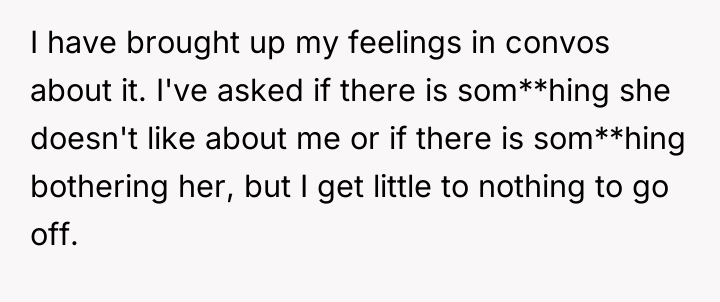
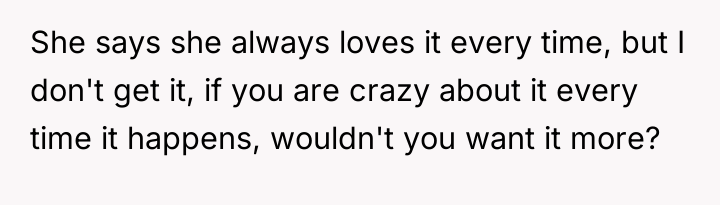
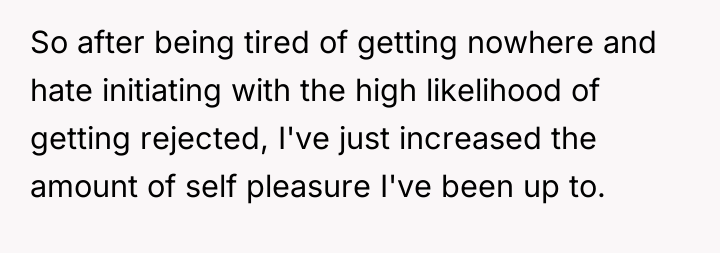
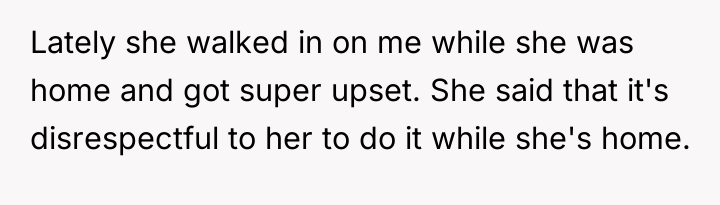
As renowned researcher Dr. Emily Nagoski explains, “Desire doesn’t just come from a vacuum. It comes from a context. It comes from a relationship, from your body, from your environment, from your history.” This situation perfectly illustrates how context and environment heavily influence sexual desire and expression. The OP and his partner exist in vastly different sexual contexts: one experiencing frequent, unfulfilled desire, and the other seemingly content with a much lower frequency.
The OP's primary issue is a significant libido imbalance coupled with poor communication results regarding the root cause. When the partner claims to 'always love it' but seeks sex infrequently, it suggests a disconnect between verbal affirmation and actual behavior, possibly indicating underlying pressure or lack of genuine desire that she is unwilling or unable to articulate. The partner’s reaction to the OP engaging in self-pleasure while she is home points toward issues of boundary setting, possibly rooted in feelings of inadequacy, obligation, or a fundamental difference in comfort levels around sexual expression, even self-directed.
The OP's actions of increasing self-pleasure were a predictable response to unmet needs when communication failed. While seeking release is normal, the partner is setting a boundary regarding the *manner* and *timing* of that activity when they share a space. The OP should respect the partner's stated boundary regarding her presence, as continuing to violate it damages trust. A constructive path forward involves couples counseling focused not just on frequency, but on understanding the source of the partner's low desire and establishing mutually acceptable non-sexual forms of intimacy and clearly defined private time for the OP's self-care.
HERE’S HOW REDDIT BLEW UP AFTER HEARING THIS – PEOPLE COULDN’T BELIEVE IT.:
The internet jumped in fast, delivering everything from kind advice to cold truth. It’s a mix of empathy, outrage, and no-nonsense takes.



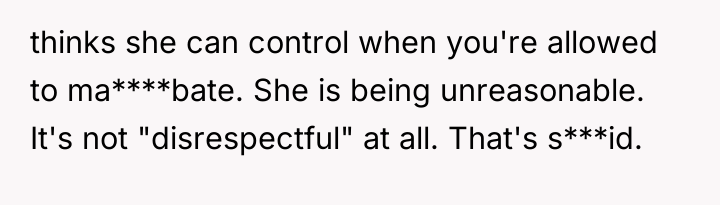
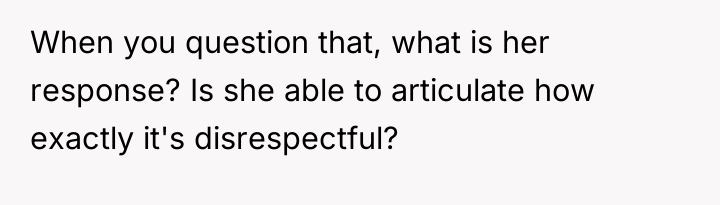

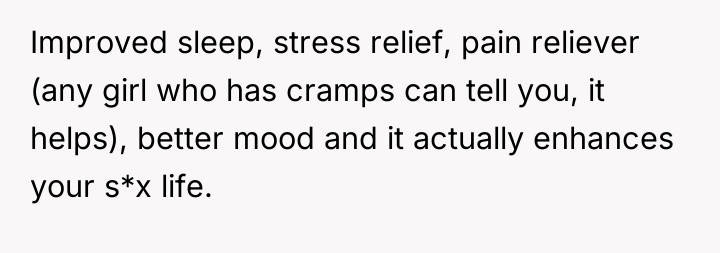

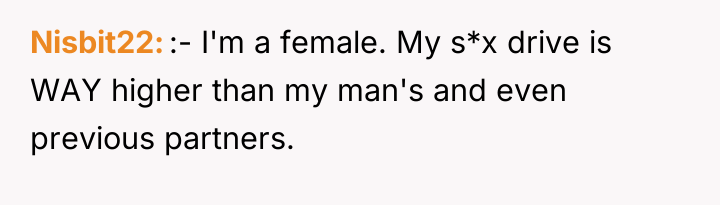

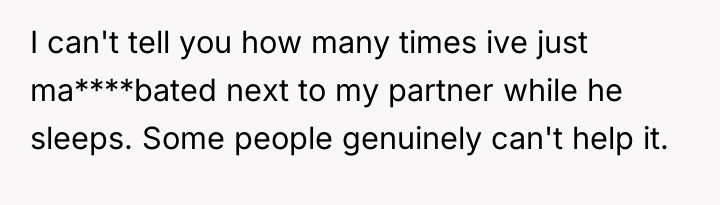

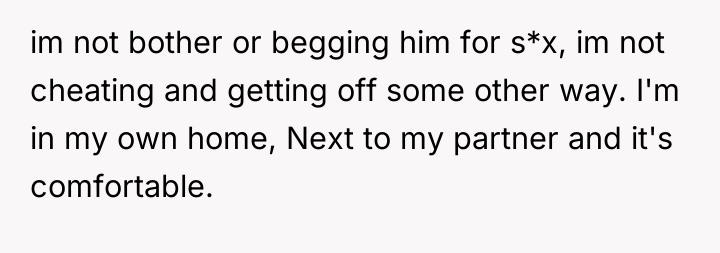
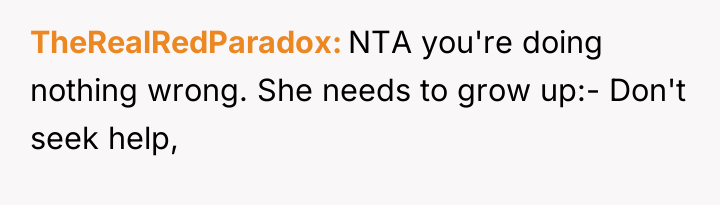
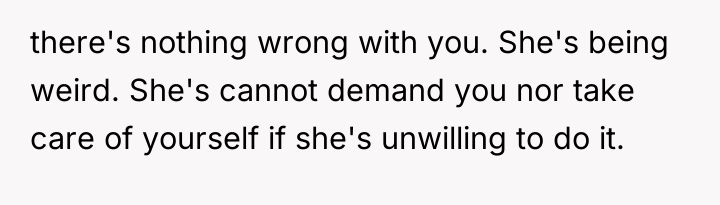
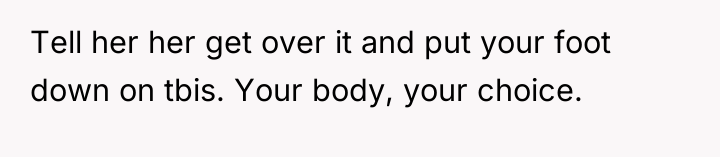

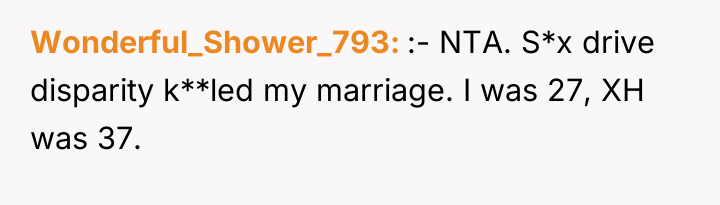

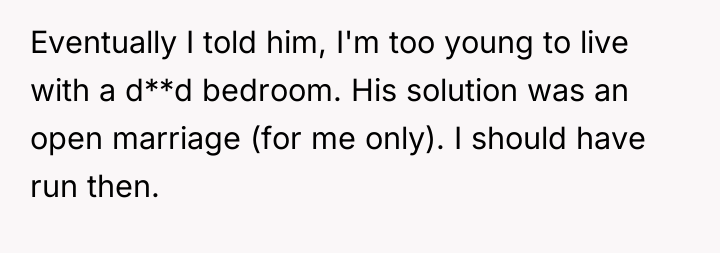

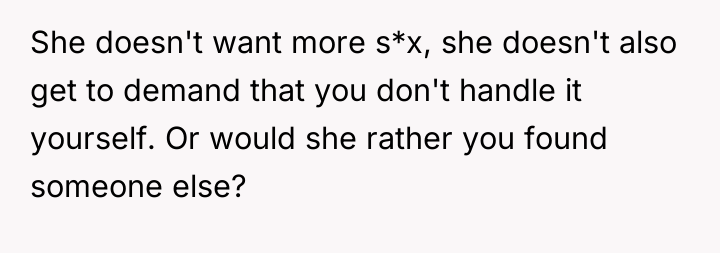
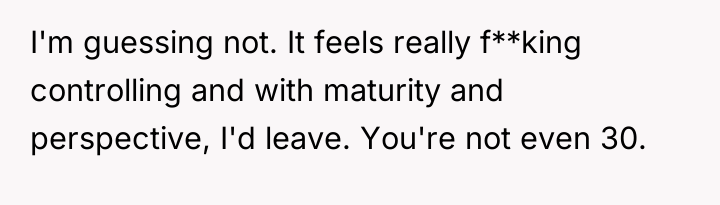

The original poster (OP) is experiencing significant frustration and emotional distress due to a persistent mismatch in sexual desire within a four-year relationship, leading to frequent rejection and a feeling of being unfulfilled. The conflict sharpens when the OP resorts to self-pleasure due to this unmet need, only to be met with anger and restrictions from the partner regarding when and where this activity can occur, even in private spaces.
The core question remains whether the OP's attempt to manage his high sex drive privately is disrespectful to his partner, or if the partner's expectation that he ignore his physical needs while she is present is an unreasonable demand within the context of their mismatched libidos. Is the partner justified in setting these boundaries, or is the OP justified in feeling restricted by them?
Trending This Week
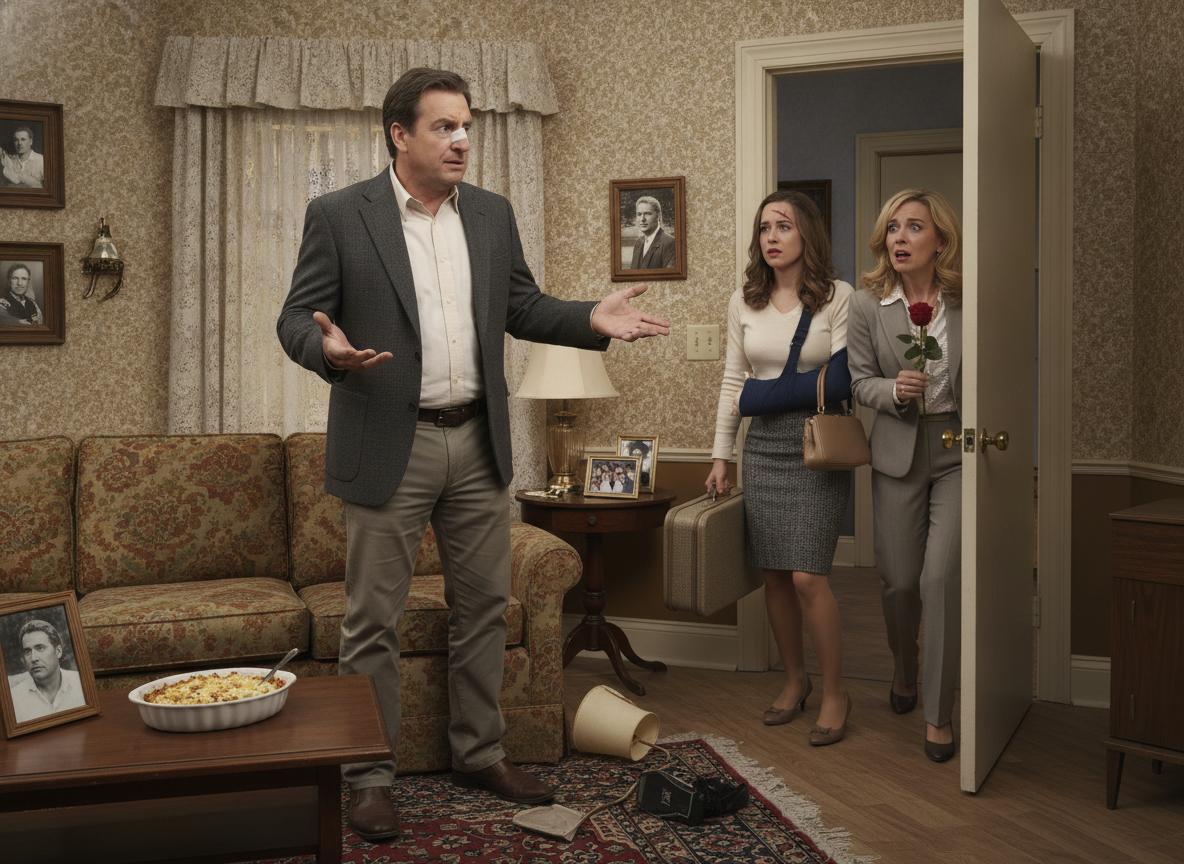
Dad disfigured me and refuses to address it- i accidentally make his fiancé leave him. AITAH?
When I was six years old, I tripped on my father's farm and fell face-first against a concrete wall. I lost three teeth and felt my jaw bones misalign. My father did not take me to the hospital. Instead, he forced my jaw back into place with his hands and told me not to tell my mother, who was traveling abroad at the time. Because I received no medical attention, my chin grew back disfigured and lopsided, causing me constant jaw pain, physical issues like bruxism, and deep insecurity. Recently, I told my mother the truth about the accident. She was furious and called my father, demanding that he pay for reconstructive surgery. My father reacted defensively, calling me vain and refusing to pay. During a recent visit, my father's fiancée asked me about my childhood. She had heard about the phone argument and was shocked. Feeling safe with her, I opened up about my past experiences with my father. Shortly after I returned home, my father called me in a rage. His fiancée had called off their wedding after learning about his past behavior. He blamed me entirely, screaming insults, calling me vengeful, and telling me he was glad my face was ruined. Despite the emotional toll and feeling guilty for the breakup, I realized with the support of my boyfriend that I did nothing wrong. I plan to call his ex-fiancée to talk, and I am choosing to focus on my own life, my upcoming exams, and moving forward without relying on my father.
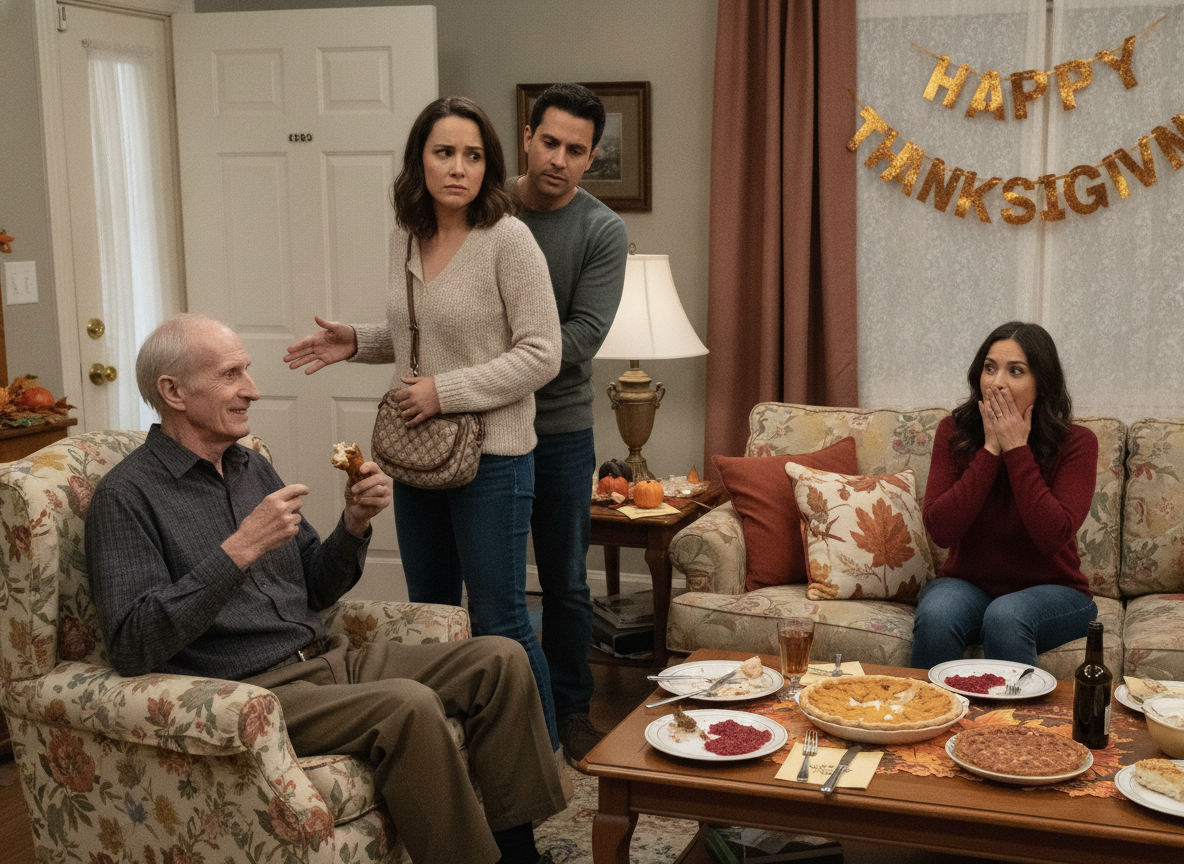
AITA for leaving Thanksgiving because my partner's creepy brother was there?
I and my partner have been friends for a few years and started dating more seriously early this year. This was the first time he invited me to Thanksgiving, which he called a Friendsgiving. His parents were hosting it, but it was mostly their friends and his friends, not extended family. For whatever reason, I assumed his brother would not be there. I have tried really hard to be nice to his brother, who has always made me uncomfortable with staring and hovering. Last year, my partner asked if his brother could join us on a road trip. I expressed my discomfort, but my partner assured me it would be fine. During the trip, I felt like I was babysitting him. A few weeks later, I discovered that his brother had posted lewd drawings of me online, which he had created during our trip. When I brought this up to my partner, he brushed it off, and I did not explicitly spell out how uncomfortable it made me. I made it clear that I did not want to be around his brother after that. When I had dinner with his parents, his brother usually stayed in his room. However, at the Friendsgiving dinner, his brother showed up and was seated right next to me. My partner did not warn me or try to prevent us from being seated together. Feeling overwhelmed, I decided to leave. I took the car keys, and when my partner asked what I was doing, I raised my voice in front of the guests, telling him he could choose between me and his brother. I drove away, leaving him at his parents' house, and went to stay with my sister.
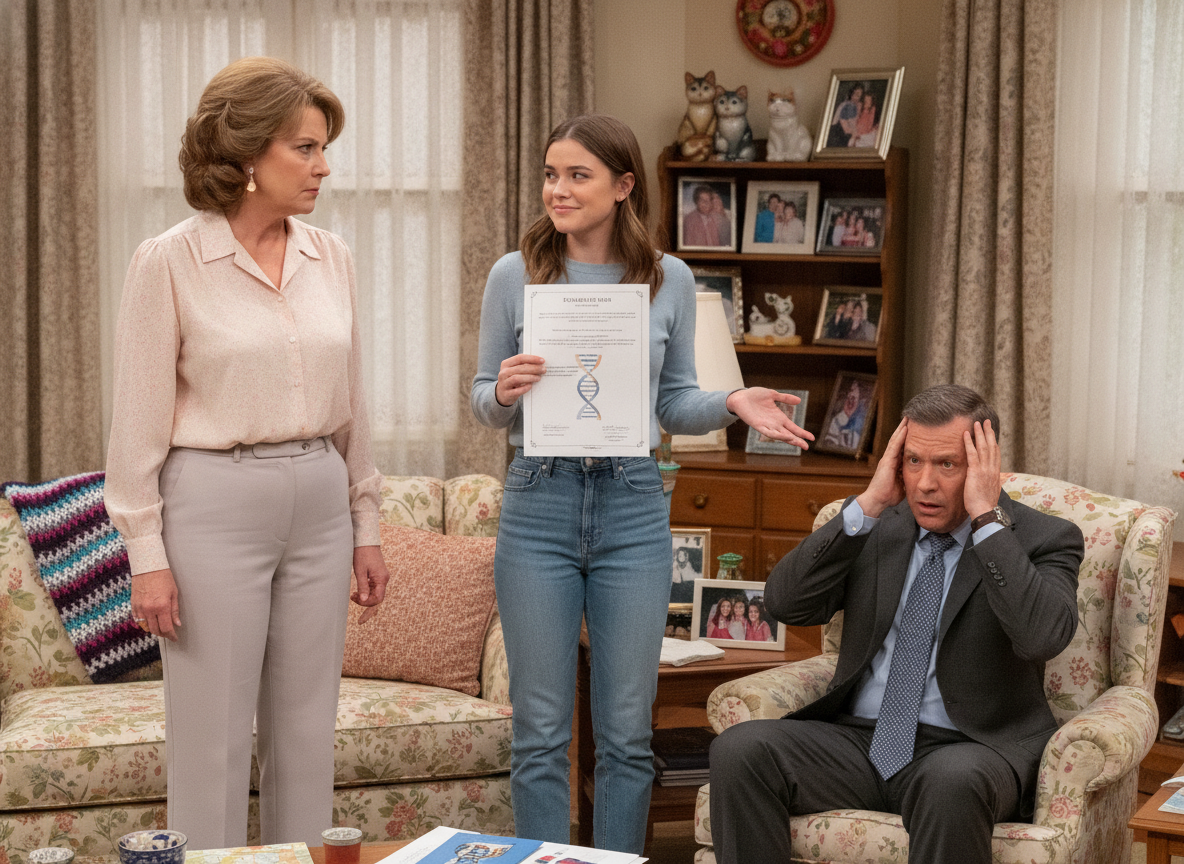
AITAH for getting a dna test to see if i share the same dna as both my parents even though i was demanded specifically by my mom not to do so, since i was a child?
I have always suspected that I might not be biologically related to my parents. Growing up, my mother treated me and my younger brother very differently. I was disciplined more harshly, grounded for longer periods, and subjected to invasive phone searches, while my brother faced few consequences even when he got his girlfriend pregnant at sixteen. My father was mostly passive and uninvolved in my upbringing. Due to the toxic environment, I eventually moved 1,000 miles away with my spouse to find peace. My suspicions are fueled by physical and legal anomalies. I do not share my parents' physical features, such as their freckles or dark brown eyes, and I am the only person in both my immediate and extended family with a completely different last name. Whenever I questioned my mother about my last name, she became defensive and refused to explain. Recently, during a family visit, a card game prompted me to admit to getting a DNA test. My mother reacted with immediate anger and hostility, which caused me to panic and lie that I was joking. Despite promising my mother during my childhood that I would never take a DNA test, my curiosity led me to purchase a kit. My mother's oldest sister recently found a long-lost sister through a DNA test, yet my mother remains strictly opposed to me doing the same. I have sent my kit in and expect the results soon, but I feel immense guilt, as if searching for the truth is a betrayal that could ruin my family relationships.