AITA for redecorating my apartment while my roommate was away?
When her roommate abruptly vanished under the guise of a "temporary break," leaving only silence in her wake, a profound sense of abandonment and confusion settled in. The empty apartment echoed with unanswered questions, and the weight of unexpected responsibility pressed heavily on her shoulders.
Determined to reclaim her space and sanity, she began to transform the dim, shadowed rooms—once subdued for her roommate’s pain—into a sanctuary of light and renewal. In this act of change, she sought not just to fill the physical void but to heal the emotional fracture left behind.
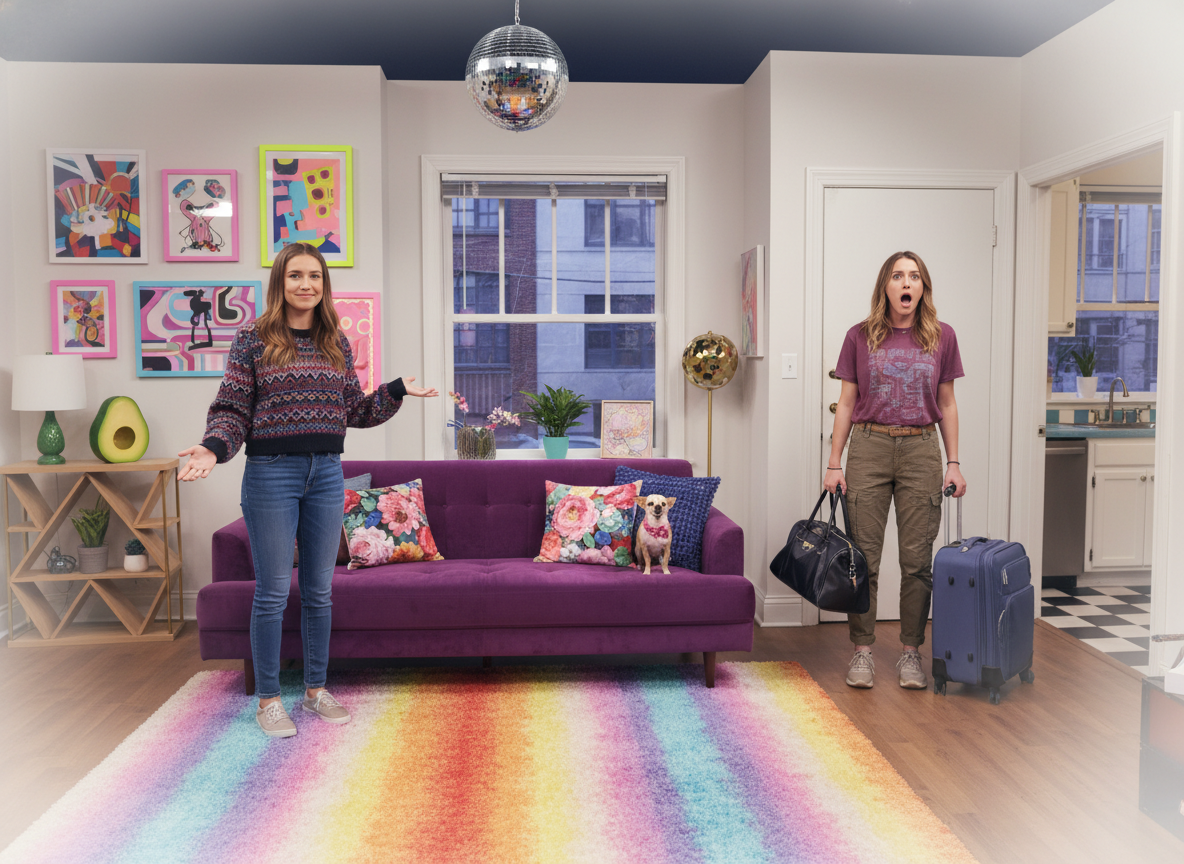








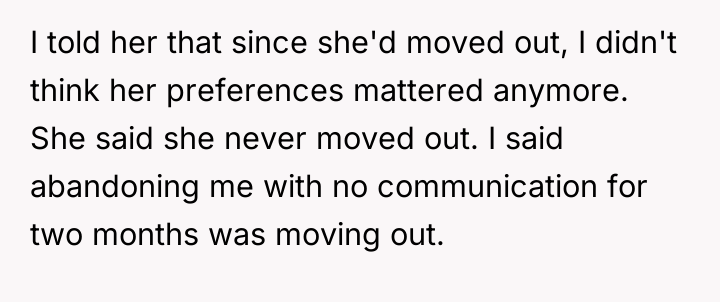
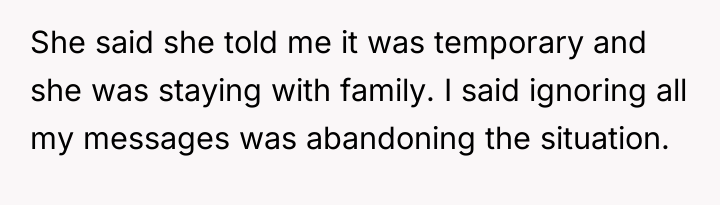
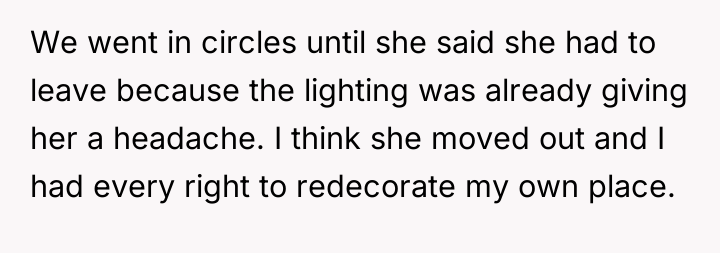

As renowned researcher Dr. Brené Brown explains, “Boundaries are the distance at which I can love you and me simultaneously.” This situation highlights a critical breakdown in establishing and communicating relational boundaries, complicated by an unexpected absence and differing interpretations of what constitutes a 'temporary break.' The roommate initiated the ambiguity by announcing a need for space without clearly defining the duration or the implications for the lease or shared environment. The OP interpreted the silence and absence as permission to reclaim ownership over the space, a reaction understandable given the financial burden (full rent) and the perceived unilateral departure.
The core conflict lies in the imbalance between assumed consent and active communication. The roommate expected unspoken continuation of the status quo regarding her disability accommodations, failing to proactively check in or confirm her return timeline. The OP, feeling financially abandoned, made significant, high-cost alterations (painting, new fixtures) based on the assumption of vacancy, effectively creating a new living boundary for the absent party. When the roommate returned, her immediate emotional reaction—losing control upon seeing the drastic changes—indicates a significant emotional shock, as the physical environment directly threatened her health (migraines).
The OP’s actions, while motivated by frustration over responsibility and the desire to enjoy their paid space, were likely inappropriate because they failed to confirm the roommate's status before making permanent, medically relevant changes. A more constructive approach would have been to send one final, explicit communication stating, “Since I have not heard from you in X weeks, I need to know by Y date if you are returning, or I will assume the lease is void for you and I will redecorate,” before proceeding with the extensive changes.
THE COMMENTS SECTION WENT WILD – REDDIT HAD *A LOT* TO SAY ABOUT THIS ONE.:
The internet jumped in fast, delivering everything from kind advice to cold truth. It’s a mix of empathy, outrage, and no-nonsense takes.

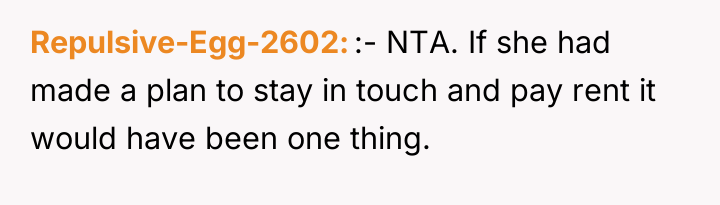
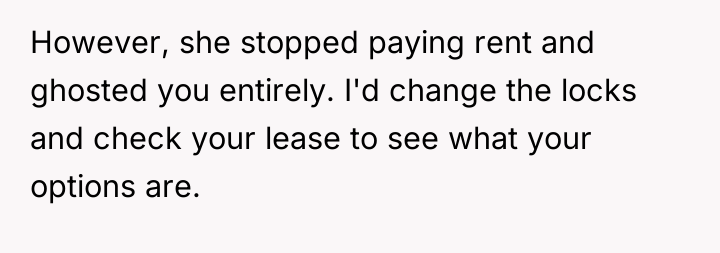




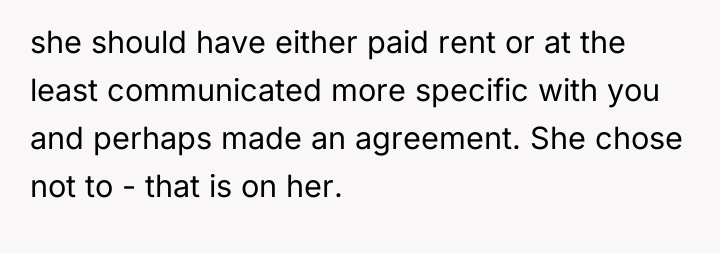


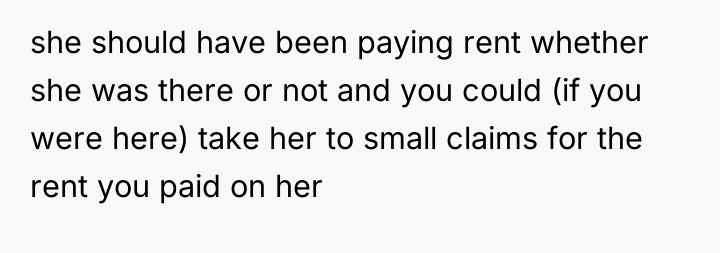

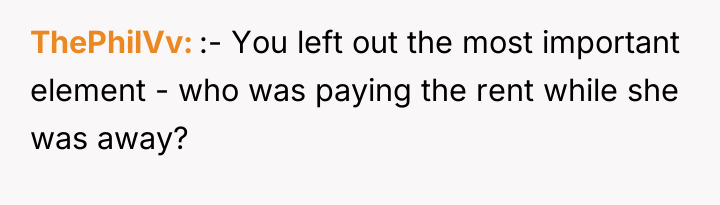




The original poster (OP) acted based on the belief that the roommate had abandoned the shared living situation after two months of complete silence, leading them to feel justified in making significant changes to the apartment environment to suit their own needs. Conversely, the roommate maintains she only took a temporary leave and expected her living arrangement and established accommodations, particularly regarding light sensitivity, to remain intact upon her return.
Did the roommate's lack of communication for two months constitute an effective abandonment of the lease agreement, thus giving the OP the right to fully alter the shared living space to their liking, or did the OP deliberately violate an established mutual agreement by making the home unlivable for the roommate's known medical needs?
Trending This Week
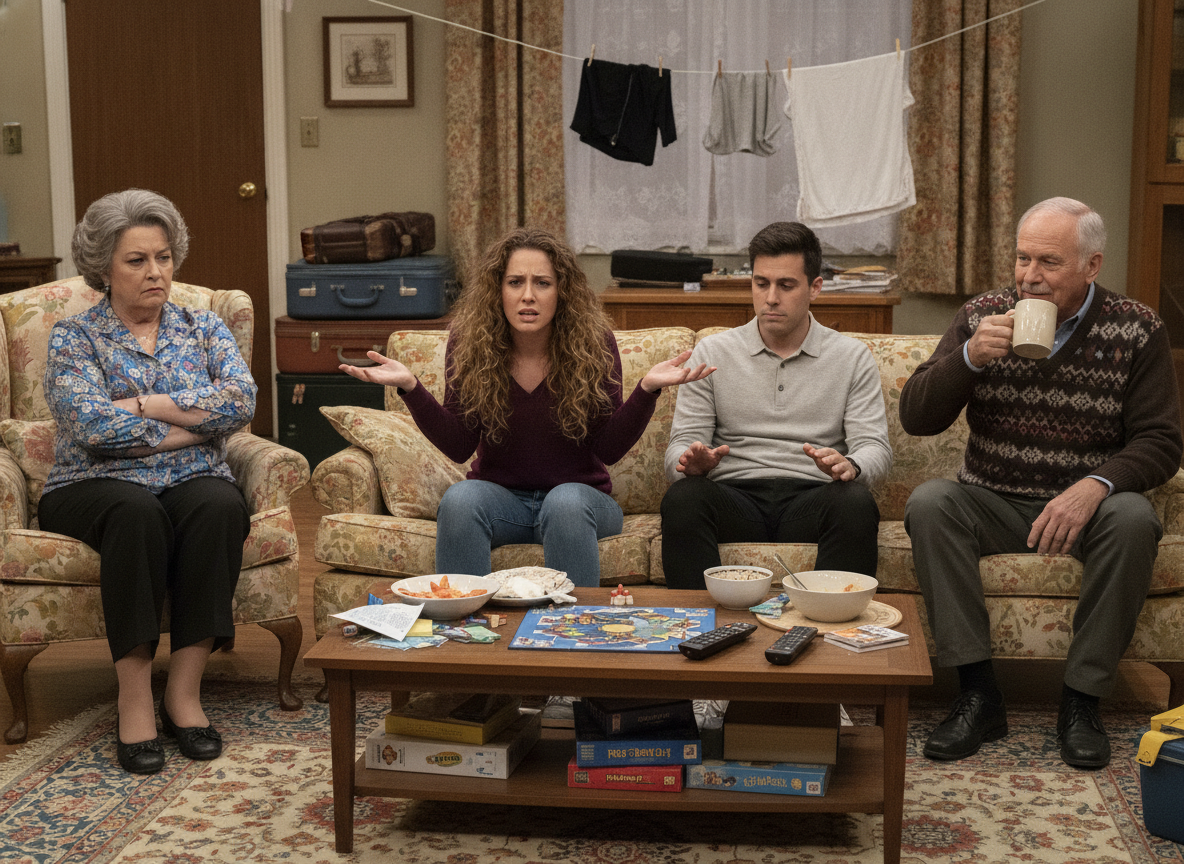
AITA for not wanting to "adjust" to my(28F) boyfriend's(26M) parents living with us for months at a time?
My boyfriend and I have been living together for three years in Australia. A few months ago, his parents arrived from India to live with us. Although I was excited to make them feel comfortable, their demands soon made me feel uneasy in my own home. They were uncomfortable with us sleeping in the same room, resulting in my boyfriend sleeping in the living room for two months. The mother took over the kitchen and excluded me from grocery shopping, and they did not acknowledge me as his girlfriend in front of friends or help with cleaning. They also rearranged furniture against our requests, and his father expressed concern that I was not helping in the kitchen, which was untrue. Furthermore, they credited my boyfriend for things he did not do and criticized my clothing, claiming it violated their family values. My primary issue is that my boyfriend did not acknowledge these problems or stand up for me. He dismissed my concerns, saying his parents were guests and his father was simply traditional. After they left, I moved to another city for a job, and our long-distance relationship has been great. However, he recently informed me that his parents are visiting again for two months, having booked the tickets without consulting me. He expects me to accept frequent, long visits as a condition of moving back in together. I feel my privacy and personal space are being disregarded, and I want him to consider my needs and set boundaries.

AITA for asking my wife to wear a big shirt during sex ?
My wife is the love of my life. I think she has a great body and I also think she's amazing in bed. We almost always have sex fully naked. I love seeing all of her body. The thing is, I also think it is very sexy when a woman is only wearing a shirt. I asked my wife if she could wear a big shirt during sex, for one time. She asked me if it's because of her weight. I was quick to tell her no. I told her I love her, she's gorgeous, and she's amazing in bed. She is at the same size now as she was when I married her. I told her nevermind about the shirt idea. She asked me if I want her to hide her belly. I said no. I said it wasn't about hiding stuff. It was just like a fun fantasy. She still looks sad. Am I the asshole?
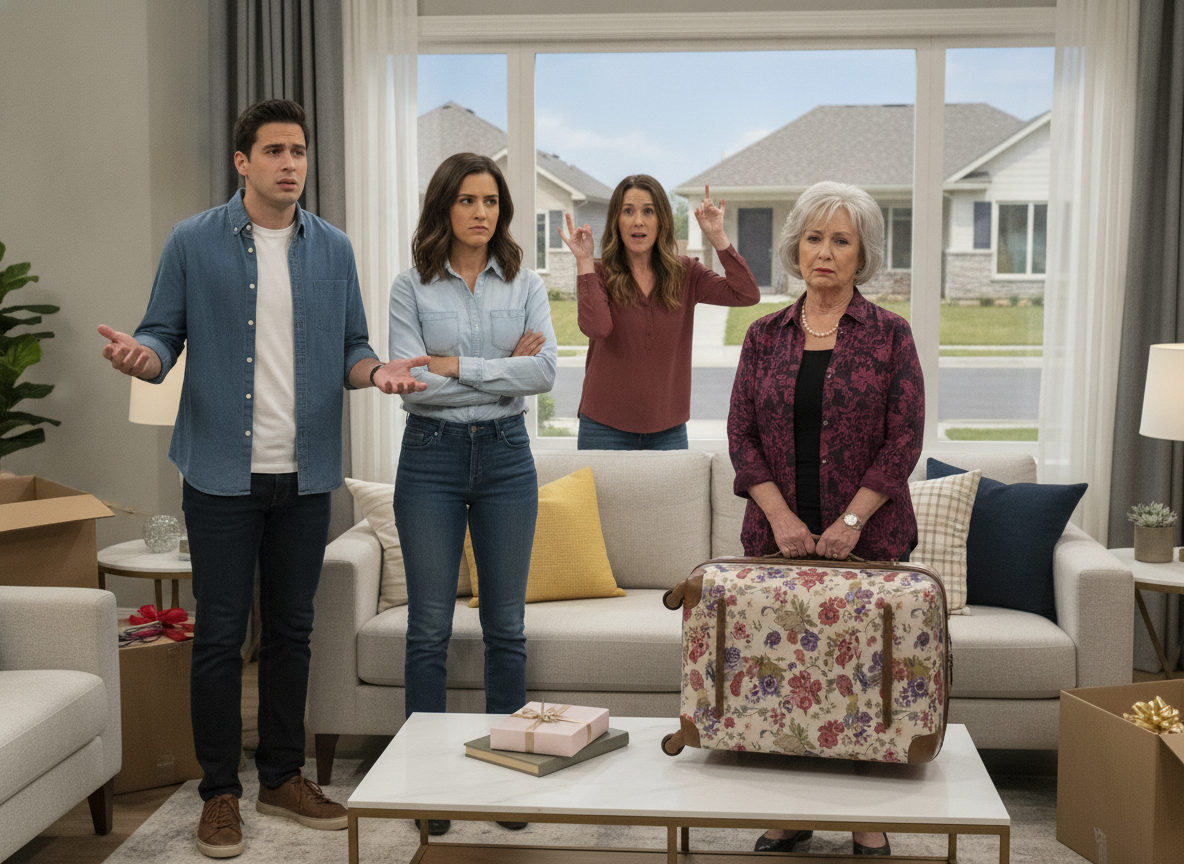
AITA for refusing to let my mom move into my new house
I recently put an offer on a home that was accepted, and I am getting ready to close next week. Over the last five years, I worked extremely hard to pay down my debt and save money by working multiple jobs and going to school full-time. My mother and I have never gotten along well, but I moved her into my tiny apartment a year ago to help her out because she lives on Social Security and cannot work. Our agreement was to split expenses, but she has rarely paid her share, doubling my financial burden while constantly criticizing me. When I bought my house, I did so in my name only to protect myself. After she saw the house, she immediately criticized it and demanded the master bedroom. This led to a major argument where I told her she could not live with me. Now, she refuses to look for veteran housing assistance, my siblings want nothing to do with her, and I am emotionally drained by her dependency.